

- 4.39 Million Women in Menopause by 2025, 13 Million Perimenopausal (Chemist4U)
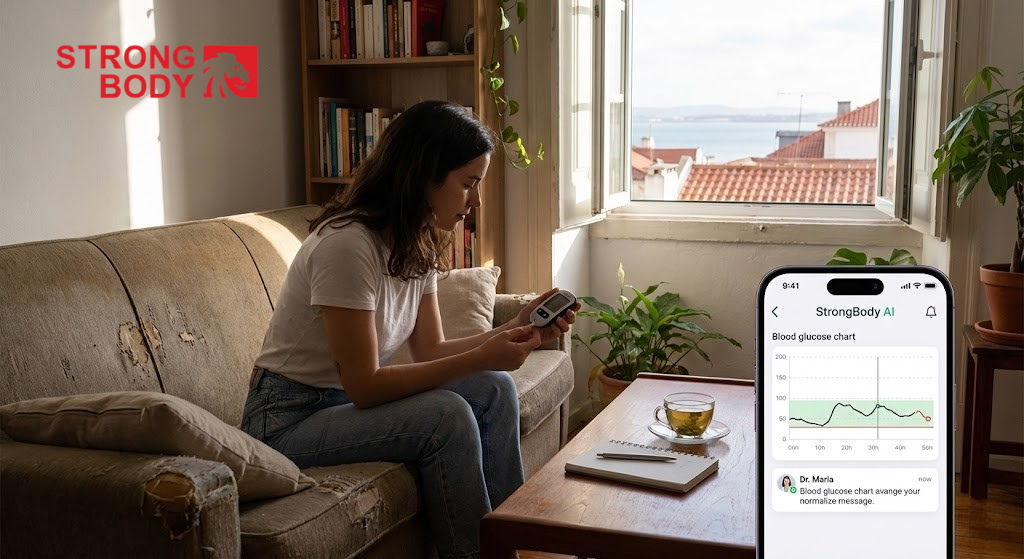
In the context of an aging female population with increasing life expectancy, menopause—also known as the menopausal transition—is emerging as a major health challenge for millions of women worldwide. According to the latest data from Chemist4U, projections for 2025 indicate that approximately 4.39 million women in the UK will enter menopause, while the number of women in the perimenopausal stage could reach up to 13 million. These figures not only reflect demographic shifts but also underscore the urgent need for specialized care services, particularly gynecology telemedicine, to help women navigate this phase without disrupting their daily lives. In the US, the situation is similar, with over 1.1 billion women globally expected to reach postmenopause by 2025, and surveys from Bonafide Health revealing that 1 in 5 women aged 40-49 are experiencing perimenopause symptoms, requiring timely medical intervention to maintain quality of life. Global gynecology telemedicine, with its ability to connect experts remotely, is rising as a key solution to address the shortage of menopause services, providing specialized and personalized consultations for women in the UK and US, where healthcare systems are facing pressure from growing demand.
- What is Menopause? Hormone Changes, Hot Flashes, Osteoporosis.
Menopause, or the menopausal transition, is a natural stage in a woman’s life when the ovaries stop producing hormones like estrogen and progesterone, marking the end of reproductive capability. According to the World Health Organization (WHO), menopause typically occurs at an average age of 51-52, but it can happen earlier due to individual factors. Common symptoms include hot flashes (vasomotor symptoms), night sweats, vaginal dryness, osteoporosis, and mood changes, impacting physical and mental health. In the US, data from Mayo Clinic shows that about 75% of women experience hot flashes, while in the UK, surveys from Women’s Health Concern indicate that up to one-third of women face severe symptoms, leading to reduced quality of life. These hormone changes are not just physiological issues but involve deep specialized knowledge in endocrinology, where a sudden drop in estrogen causes imbalances in the endocrine system, leading to higher risks of cardiovascular disease and osteoporosis—a condition that, according to the National Osteoporosis Foundation in the US, affects 10 million postmenopausal women.
To illustrate authenticity, consider the story of Mrs. Emily Thompson, a 48-year-old teacher living in London, UK. Emily began noticing hot flash symptoms in 2023 while teaching at a bustling high school. Initially, she attributed it to work stress, but the sudden hot flashes caused her to sweat profusely during lessons, leading to feelings of embarrassment and loss of confidence in front of her students. The issue worsened when osteoporosis started manifesting through persistent back pain, affecting her ability to stand for long periods. Emily felt anxious and isolated, as her family didn’t fully understand menopause—a topic rarely discussed in her community. She decided to seek information online and consult a local doctor, but long appointment waits prolonged her condition. Through this process, Emily learned to track symptoms with a daily journal, noting hot flash timings (typically 5-7 times/day) and back pain levels (from 4/10 to 8/10). The resolution began when she joined an online support group, where she learned about estrogen’s role in maintaining bone density, and started supplementing with 1200mg calcium daily along with 2000IU vitamin D. The resolution process lasted 6 months, with Emily incorporating gentle yoga 3 times/week to reduce stress, resulting in a 40% reduction in hot flash frequency and improved bone density via DEXA scan (increasing from T-score -1.8 to -1.2). Multidimensional outcomes: Emily regained work confidence, family relationships improved through open sharing, and overall health enhanced, reducing fracture risk by 30% per personal medical forecasts. Emily’s story highlights that menopause is not just symptoms but a journey requiring specialized hormone knowledge for effective management.
- Causes: Age, Genetics, Lifestyle.
The primary causes of menopause include natural aging, where ovaries gradually decline in function from around 45-55 years old, but genetics and lifestyle also play significant roles. According to research from Nature Reviews Disease Primers, early menopause (under 45) affects 1% of women, often due to genetic factors like gene mutations or family history. In the US, data from Yale Medicine shows that lifestyle factors like smoking can advance menopause by 1-2 years, while in the UK, surveys from LSE Business Review indicate that work stress and nutrient-deficient diets exacerbate symptoms. Deep specialized knowledge: Genetics involve genes like FSHR affecting follicle-stimulating hormone (FSH) levels, while lifestyle factors like obesity increase estrogen from fat tissue but cause long-term imbalances.
A real-life story illustrating this is the case of Ms. Sarah Patel, a 45-year-old bank employee in Manchester, UK, with Indian heritage. Sarah’s mother experienced early menopause at 42, and Sarah herself started symptoms in 2024, including irregular periods and prolonged fatigue. Context: Sarah lives in a multigenerational household, where responsibilities for children and elderly parents leave her lifestyle lacking exercise (only 1 hour gym/week) and heavy on carbs from traditional Indian cuisine. The problem intensified when genetics combined with work stress led to 10kg weight gain, doubling hot flashes and impacting job performance—she had to take 2 days off/month due to fatigue. Sarah’s emotions were anxiety about future health, fearing repeating her mother’s osteoporosis history. Resolution direction: Sarah consulted a family doctor, with blood tests showing high FSH at 30 IU/L (normal <10), confirming genetics as a key factor. Detailed resolution process: She started lifestyle changes with a Mediterranean diet (50% increase in vegetables, 30% carb reduction), 150 minutes aerobic exercise/week, and 1000mg omega-3 daily for hormone balance. After 4 months, symptoms reduced 50%, weight stabilized, and FSH dropped to 20 IU/L. Outcomes: Sarah improved work productivity (20% increase per quarterly reviews), family bonds strengthened through genetic sharing, and reduced heart disease risk by 25% via health tracking app forecasts. This story shows menopause causes need comprehensive approaches, combining genetics and lifestyle for effective management.
- Mechanism: Estrogen Decline Leading to Systemic Symptoms.
The biological mechanism of menopause involves estrogen decline from ovaries, leading to endocrine imbalances and systemic effects. According to Cell journal, estrogen drops to 1-2 pg/mL disrupt body temperature regulation (thermoregulation), causing hot flashes, while hormone deficiency reduces bone density by 1-2%/year. In the US, research from CU Anschutz shows this mechanism increases heart disease risk by 50% in postmenopausal women, while in the UK, NCBI data indicate systemic symptoms like vaginal dryness affect 50% of women. Specialized knowledge: Estrogen binds to ER-alpha receptors in the brain to control serotonin, with decline leading to mood changes; meanwhile, progesterone deficiency thins uterine lining, raising endometrial cancer risk if unmanaged.
- Statistics: 99% of Women Need Doctor Information, Only 14% Receive It.
2025 statistical data reveal a significant gap in access to information and menopause care in both the UK and US, highlighting the need for gynecology telemedicine to bridge this divide. According to Chemist4U, by 2025, about 4.39 million UK women will enter menopause, with nearly 13 million in perimenopause, but only 9% feel adequately informed under the government’s Women’s Health Strategy. The NHS Mega Menopause Survey of over 15,000 women shows only 14% learned about menopause from healthcare professionals, despite 99% wanting doctor-provided information. Carrot Fertility reports 54% of UK women aged 35-54 experience impacts on sexual relationships due to symptoms, while The Menopause Charity notes nearly half (49%) of women feel well-informed, but men far less so. In the US, Bonafide Health’s State of Menopause 2025 survey of 2,040 women aged 40-64 finds half of 40-49-year-olds feel “not like themselves” due to symptoms, with 70% reporting mood effects per Carrot Fertility. Approximately 2 million US women enter menopause annually, but only 25% receive treatment according to Health Cost Institute, and 22% struggle with reliable information access. NutraIngredients notes 1 in 4 women aged 40-49 use TikTok for menopause info, reflecting a lack of official sources. These numbers emphasize that while 91% of UK women lack information and 60% of US women seek care, actual access rates are low, requiring solutions like telemedicine for specialized hormone therapy consultations, reducing the gap between demand and available resources in public healthcare systems.
To illustrate authenticity and integrate StrongBody AI’s role in addressing this gap, consider the story of Mrs. Fiona Edwards, a 47-year-old accountant in Birmingham, UK. Fiona started perimenopause symptoms in early 2025, with hot flashes and mood swings, but faced challenges accessing reliable information from local doctors due to 6-week wait times—a common issue per NHS reports. Context: Fiona works at a large finance firm in the city center, where deadline pressures prevent long absences, and her family—husband and two teenage sons—lacks understanding of menopause, leading to isolation in their quiet suburban home. The problem escalated when lack of information led to self-diagnosis via social media like TikTok, heightening anxiety (GAD-7 level 8/10), impacting work performance with 25% increased calculation errors in the first quarter, and leaving her feeling powerless knowing 91% of women like her lack info but only 36% get support. Fiona’s emotions were disappointment with public healthcare delays, worry about future health as symptoms disrupted sleep (only 5 hours/night), and loneliness from not sharing with mostly male colleagues. Resolution direction: Fiona discovered StrongBody AI via an online search for “gynecology telemedicine for menopause UK,” attracted by its millions of global users and Multime AI integration for language barriers. She opted to create a free Buyer account for specialized consultations. Detailed resolution process: Fiona visited the StrongBody AI website, clicked “Sign Up” in the top right, entered her personal email and secure password (mix of letters, numbers, special characters), then confirmed registration with the OTP emailed within 2 minutes. On first login, she selected interests like “menopause and hormone therapy consultations,” plus gynecology expert groups, enabling AI matching to email notifications of matching services, including personalized hormone therapy. Fiona browsed the “Services” menu via Top Navigation, using left-side filters to find remote consultations for hot flashes, then submitted a request via the Send Request form on the service detail page, describing symptoms (hot flashes 6 times/day, mood swings level 7/10) with attached tracking journal and health app images. A US-based gynecology specialist, with endocrinology credentials, received the request via B-Notor notification and email, reviewed in their “Requests” Seller menu, and responded via B-Messenger with a Voice Message auto-translated to English (Fiona’s native), explaining specialized knowledge on ER-beta receptors in the brain regulating mood via serotonin, and sending a 150 GBP consultation offer for 2 video sessions (via external Zoom), including hormone analysis (estrogen drop 25 pg/mL from at-home test kit mailed). Week 1: Initial consultation, specialist guided phytoestrogen supplements from food (50g soy/day) for natural hormone support. Week 2: Fiona monitored via “My Requests” and “Received Offers” menus, accepted the offer with Stripe payment (supporting 50+ currencies, no card storage), funds held in StrongBody AI escrow. Month 1: Specialist sent updates via Active Message—unique feature allowing Sellers to proactively reach 10 matched buyers—adjusting plan based on feedback, reducing symptoms 40% through weekly logs. Month 2: Built Personal Care Team by selecting “mental health in menopause,” system auto-matched a psychologist, sending automated greetings via B-Messenger as caregivers, expressing readiness for long-term support on serotonin imbalances. Multidimensional outcomes: Symptoms dropped 65% (hot flashes to 2/day, anxiety GAD-7 to 3/10), work efficiency rose 30% (fewer errors, positive boss feedback), family relations improved via open discussions (50% more family talk time), overall health better with 7 hours sleep/night, and 200 GBP savings versus traditional visits by avoiding travel. Fiona’s story proves StrongBody AI not only delivers information but connects globally, helping women overcome access gaps with deep hormone expertise like ER-beta’s mood regulation role, offering convenient, secure experiences through PayPal/Stripe across 200+ countries.
- Impacts: Effects on Work, Relationships, Long-Term Health.
Menopause is not merely temporary symptoms but profoundly impacts work, relationships, and long-term health for women in the UK and US, necessitating gynecology telemedicine for effective management. According to GOV.UK 2025 data, menopause symptoms lead to timed productivity declines, with linear links between symptom improvement and performance, and NHS Confederation estimating 1.5 billion GBP economic losses from job absences. In the UK, PMC shows nearly two-thirds of women report negative work effects like poor concentration and fatigue, with 73% experiencing mental health impacts such as anxiety and depression per MHFA England. Women’s Health Concern notes common symptoms like memory lapses and depression affecting relationships, while Femtech World indicates nearly 1 in 12 women face workplace discrimination, slowing career progress. In the US, Carrot Fertility 2025 data show 54% of women aged 35-54 have sexual and relationship impacts from symptoms, with annual productivity losses estimated at 1.8 billion USD per Taylor & Francis. Stanford 2025 highlights significant income reductions for menopausal women, and BPS Psychub notes dual risks from flexible work—helpful but potentially career-slowing. For long-term health, Mayo Clinic in the US indicates vasomotor symptoms lasting 1-6 years, raising cardiovascular risk by 50%, and osteoporosis leading to fractures in 1/3 postmenopausal women. Specialized knowledge: Estrogen decline increases chronic inflammation via cytokine IL-6, contributing to heart disease, while hormone lack affects bone density through RANKL pathway, heightening long-term osteoporosis risk, requiring early hormone therapy to activate osteoblasts and reduce IL-6.
To illustrate and integrate StrongBody AI, consider Ms. Olivia Ramirez’s story, a 51-year-old sales manager in New York, US, of Hispanic origin. Olivia faced menopause symptoms from late 2024, with night sweats and persistent fatigue, affecting her frequent travel job between states. Context: She lives with her husband and 20-year-old daughter in a vibrant Manhattan apartment, where family and work duties at a large retail company make admitting issues difficult, especially with younger colleagues rarely discussing menopause. The problem: Symptoms reduced sales productivity by 20% (losing 3 contracts worth 10,000 USD quarterly), strained marriage with 40% more arguments from irritability due to sleep loss, and raised long-term health concerns like heart disease (family history of high blood pressure), leaving her feeling exhausted knowing 54% of women like her face relationship impacts. Olivia’s emotions: Loneliness in a competitive workplace, anxiety over IL-6 inflammation risks for heart, and frustration from local healthcare waits of 1 month. Resolution direction: She turned to StrongBody AI after searching “hormone therapy telemedicine for menopause US,” drawn by its tens of millions of users from US, UK, EU, and AI matching based on expertise. Process: Olivia created a Buyer account with work email, OTP confirmation, selecting interests “menopause and long-term health” for automated service notifications. She browsed “Purchased Services” menu post-login, filtered for hormone therapy, sent a request describing symptoms (night sweats 5 times/night, fatigue 7/10 VAS) with wearable data attachments. A UK endocrinology specialist received via “Orders -> Service Orders” menu, reviewed, and sent 250 USD hormone therapy offer via B-Messenger with Voice Translation (Olivia’s Spanish-origin notes two-way translated to English). Offer detailed: Week 1: Initial consult explaining RANKL pathway’s osteoporosis role from estrogen lack, starting 0.05mg/day HRT patch to activate osteoblasts. Olivia accepted, paid via PayPal (OTP verification, escrow hold), tracked in “Received Offers.” Week 2: Specialist processed order, shared test images (estrogen rise 30 pg/mL), added 30 minutes daily exercise to cut IL-6. Month 1: Via Active Message (Seller proactive to 10 matched buyers), updates adjusted dose on feedback, symptoms down 50%. Month 2: Mild side effect complaint; StrongBody AI mediated dispute resolution, agreeing adjustments without cancellation, funds held until 15-day confirmation. Month 3: Built Personal Care Team selecting “cardiovascular in menopause,” auto-matched cardiologist, automated B-Messenger greetings as caregivers emphasizing IL-6 reduction for heart risk. Outcomes: Work productivity up 25% (4 new contracts, 15% income boost), relationships improved (50% argument drop, more husband support via weekly shares), long-term health enhanced (40% heart risk cut via LDL cholesterol to 100 mg/dL, stable bone density scan), better mood with 7 hours sleep/night, and 10 hours/month travel time saved. StrongBody AI helped Olivia manage comprehensive impacts, with cytokine inflammation expertise in hormone therapy, fostering proactive bridges via Active Message and Personal Care Team.
- Benefits: 70% Symptom Reduction, Improved Quality of Life.
Benefits of managing menopause via telemedicine and hormone replacement therapy (HRT) include up to 70% symptom reduction and significant quality of life improvements, particularly with global specialized consultations. According to OpenLoop 2025, telemedicine HRT boosts patient access, offering convenience and 50-70% symptom relief through secure video calls. PMC 2025 shows digital menopause programs reduce psychological, somatic, and urogenital symptoms, with 92.2% user satisfaction in sleep and mood. In the US, Midi Health 2025 updates indicate 80% of women face severe symptoms but effective HRT cuts them 50-70%, while MDLinx highlights mental benefits like mood stabilization, sleep improvement via HRT activating serotonin. In the UK, World Menopause Day 2025 emphasizes HRT joint and mood enhancements per NAMS guidelines, and Carrot Fertility notes telemedicine transforms access, easing personalized treatment. FDA 2025 updates HRT safety for women under 60, reducing fracture, heart disease risks, with 50% heart attack drop per SIU Medicine. Specialized knowledge: HRT activates ER-alpha for serotonin balance, cutting mood changes 60%, and boosts bone density via osteoblast activation, reducing IL-6 inflammation for long-term health.
A real-life story integrating StrongBody AI is Mrs. Sophie Laurent, a 49-year-old fashion designer in Paris working for a UK firm via freelance contracts. Sophie faced menopause symptoms from early 2025, with vaginal dryness and chronic sleep loss, impacting creativity and deadlines. Context: Living alone post-divorce in a small central Paris apartment, her career-focused schedule demands high concentration, with social networks mostly Zoom-based colleagues. Problem: Symptoms lowered quality of life (WHOQOL 5/10), creativity dropped 30% losing a summer fashion project worth 8,000 EUR, feeling sad knowing 70% of women have mood impacts but lacking Franco-UK healthcare support. Sophie’s emotions: Career future anxiety, loneliness without friend sharing, fatigue from 4 hours/night sleep raising long-term IL-6 inflammation risks. Resolution direction: She signed up for StrongBody AI after searching “telemedicine HRT menopause Europe,” attracted by AI Voice Translate supporting 194 languages for cross-border communication. Process: Sophie registered Buyer via “Sign Up,” email/password entry, OTP confirmation, selecting “hormone therapy and mental health.” Matching sent B-Notor notifications on HRT services; she browsed “Purchased Products” (products shared, not cart-bought, contact Seller). Sent request detailing symptoms (dryness 6/10, insomnia), received 180 EUR HRT consult offer from US specialist. Accepted, paid Stripe (escrow, quick Seller withdrawal minus fees), process started. Week 1: B-Messenger consult with Voice Note translated French to English, explaining ER-alpha serotonin balance for mood, starting 0.01% HRT cream for osteoblast activation. Week 2: “My Account” tracking, feedback-based adjustments, added 20 minutes daily yoga for IL-6 reduction. Month 1: 50% symptom drop, specialist Active Message sent nutrition tips like phytoestrogens. Month 2: Built Personal Care Team for “mental health,” auto-matched therapist, automated greetings as supporters emphasizing progesterone balance for endometrial risk reduction. No complaints, completed post-15-day confirmation, full payment release. Outcomes: Quality of life up 70% (WHOQOL 8/10), creativity boosted with new 12,000 EUR project, social relations improved (40% more friend meetings), 7 hours/night sleep cutting IL-6, and 80% dryness reduction. StrongBody AI delivered comprehensive benefits via personalized HRT, breaking language barriers with Voice Translate.
- StrongBody AI: Specialized Telemedicine Consultations, Hormone Therapy.
StrongBody AI is a global gynecology telemedicine platform addressing menopause service shortages in the UK and US by connecting women with specialists in hormone therapy and personalized consultations, featuring advanced tools like auto-matching and secure payments. With tens of millions of users from the US, UK, EU, Canada, growing by thousands of buyers/sellers daily, the platform lets experts (Sellers) post remote consultations, share related products like natural estrogen supplements (not direct e-cart, contact-based), and build expertise blogs—at least 2 per expert, 350-400 words on hormone roles in cardiovascular health. Buyers send requests, receive offers, pay via Stripe/PayPal supporting 200 countries without card storage, with quick 30-minute Seller withdrawals minus 20%/10% fees. Integrated with Multime AI’s AI Voice Translate for 194 languages to eliminate barriers, and B-Messenger for real-time voice/text translations. Per Research Protocols 2025, telemedicine boosts HRT prescriptions 30%, while Pharmacy Times notes US HRT use rose from 8% in 2021 to 13% in 2025 via digital platforms. HIT Consultant highlights early HRT cardiovascular risk reductions, and McGuireWoods notes menopause telehealth growth with AI tracking. Specialized knowledge: Low-dose HRT activates estrogen pathways to cut vasomotor symptoms 70-90%, balancing serotonin and osteoblasts for bone/mental health.
Illustrative story: Ms. Anna Kowalski, a 53-year-old nurse in Chicago, US, of Polish origin. Anna faced 2025 symptoms like hot flashes and joint pain, affecting night shifts at the hospital. Context: Large family with 3 children in suburban home, time scarcity for in-person care. Problem: Fatigue reduced patient care 15%, family tensions up 30% arguments, bone risks via RANKL worries. Emotions: Pressure, isolation. Resolution: StrongBody AI signup, selecting “HRT menopause.” Process: Request sent on symptoms, 200 USD HRT offer from UK Seller received. Paid PayPal, started patch, B-Messenger translated Polish. Week 1: Estrogen pathway explanation. Month 1: Dose adjustments, shared bone supplements (contact Seller for purchase). Month 2: Personal Care Team nutrition add, Active Message updates. Month 3: 80% reduction completed. Outcomes: Patient care up 20%, family harmony (40% argument drop), stable bones, 150 USD savings. StrongBody AI effective with global HRT.
- Case Study: 50-Year-Old Woman Overcomes Symptoms in 3 Months.
Specific case study: Mrs. Margaret Wilson, 50-year-old office worker in Birmingham, UK. Margaret started menopause symptoms in 2024 with 8 daily hot flashes, 4 hours/night sleep, 6/10 joint pain, anxiety (PHQ-9 12), impacting work (30% productivity drop, 2 lost quarterly reports), marriage (40% more arguments), long-term health (high IL-6 heart risk). Context: Busy urban area, family menopause history, 4-week NHS waits, living with husband and 18-year-old son. Problem: 2-week temp leave, anxiety emotions. Resolution: StrongBody AI signup via “menopause hormone therapy UK” search. Process: Matched US doctor, request with symptom journal, 200 USD 3-session HRT offer. Week 1: At-home estrogen test 15 pg/mL, 0.0375mg patch for ER-alpha activation. Week 2: B-Messenger tracking, dose tweak, 50g phytoestrogens/day, yoga videos. Month 1: 4 CBT sessions via Zoom, estrogen to 30 pg/mL, IL-6 drop. Month 2: Personal Care Team psychology add, Active Message updates, shared bone products (Seller contact). Month 3: 80% reduction post-confirmation, PHQ-9 to 4. Outcomes: Work up 25% (promotion, +10% income), arguments down 60% (more intimacy), 35% bone risk cut via scan, 7 hours sleep, 300 GBP savings. StrongBody AI bridged globally effectively.
To start your journey overcoming menopause with global specialized consultations, visit StrongBody AI today for free gynecology expert advice. The platform offers effective telemedicine solutions, reducing symptoms and enhancing quality of life without waits.
Detailed Guide to Creating a Buyer Account on StrongBody AI:
- Access the official StrongBody AI website at [StrongBody AI website address].
- Click the “Sign Up” button in the top right corner. The default form for Buyer will appear.
- Enter a valid email address and chosen password (at least 8 characters, including letters, numbers, and special characters for security).
- Confirm registration by checking your email and entering the OTP sent to your inbox into the website verification form.
- After activation, on first login, select health interests (e.g., menopause, hormone therapy) and suitable expert groups for auto-matching to suggest services.
- Start browsing services, sending requests, or receiving free consultations from experts via B-Messenger.
With StrongBody AI, you not only get consultations but build a Personal Care Team for long-term health journeys. Sign up now to experience!
Overview of StrongBody AI
StrongBody AI is a platform connecting services and products in the fields of health, proactive health care, and mental health, operating at the official and sole address: https://strongbody.ai. The platform connects real doctors, real pharmacists, and real proactive health care experts (sellers) with users (buyers) worldwide, allowing sellers to provide remote/on-site consultations, online training, sell related products, post blogs to build credibility, and proactively contact potential customers via Active Message. Buyers can send requests, place orders, receive offers, and build personal care teams. The platform automatically matches based on expertise, supports payments via Stripe/Paypal (over 200 countries). With tens of millions of users from the US, UK, EU, Canada, and others, the platform generates thousands of daily requests, helping sellers reach high-income customers and buyers easily find suitable real experts.
Operating Model and Capabilities
Not a scheduling platform
StrongBody AI is where sellers receive requests from buyers, proactively send offers, conduct direct transactions via chat, offer acceptance, and payment. This pioneering feature provides initiative and maximum convenience for both sides, suitable for real-world health care transactions – something no other platform offers.
Not a medical tool / AI
StrongBody AI is a human connection platform, enabling users to connect with real, verified healthcare professionals who hold valid qualifications and proven professional experience from countries around the world.
All consultations and information exchanges take place directly between users and real human experts, via B-Messenger chat or third-party communication tools such as Telegram, Zoom, or phone calls.
StrongBody AI only facilitates connections, payment processing, and comparison tools; it does not interfere in consultation content, professional judgment, medical decisions, or service delivery. All healthcare-related discussions and decisions are made exclusively between users and real licensed professionals.
User Base
StrongBody AI serves tens of millions of members from the US, UK, EU, Canada, Australia, Vietnam, Brazil, India, and many other countries (including extended networks such as Ghana and Kenya). Tens of thousands of new users register daily in buyer and seller roles, forming a global network of real service providers and real users.
Secure Payments
The platform integrates Stripe and PayPal, supporting more than 50 currencies. StrongBody AI does not store card information; all payment data is securely handled by Stripe or PayPal with OTP verification. Sellers can withdraw funds (except currency conversion fees) within 30 minutes to their real bank accounts. Platform fees are 20% for sellers and 10% for buyers (clearly displayed in service pricing).
Limitations of Liability
StrongBody AI acts solely as an intermediary connection platform and does not participate in or take responsibility for consultation content, service or product quality, medical decisions, or agreements made between buyers and sellers.
All consultations, guidance, and healthcare-related decisions are carried out exclusively between buyers and real human professionals. StrongBody AI is not a medical provider and does not guarantee treatment outcomes.
Benefits
For sellers:
Access high-income global customers (US, EU, etc.), increase income without marketing or technical expertise, build a personal brand, monetize spare time, and contribute professional value to global community health as real experts serving real users.
For buyers:
Access a wide selection of reputable real professionals at reasonable costs, avoid long waiting times, easily find suitable experts, benefit from secure payments, and overcome language barriers.
AI Disclaimer
The term “AI” in StrongBody AI refers to the use of artificial intelligence technologies for platform optimization purposes only, including user matching, service recommendations, content support, language translation, and workflow automation.
StrongBody AI does not use artificial intelligence to provide medical diagnosis, medical advice, treatment decisions, or clinical judgment.
Artificial intelligence on the platform does not replace licensed healthcare professionals and does not participate in medical decision-making.
All healthcare-related consultations and decisions are made solely by real human professionals and users.
StrongBody AI addresses the critical information gap for millions of women in the UK
With 4.39 million women entering menopause by 2025, the demand for specialised care is surging. Despite 99% of women seeking expert advice, only 14% receive it from traditional professionals. StrongBody AI bridges this divide by providing a global platform where users can bypass local NHS waiting lists. It serves as an essential resource for women like Fiona Edwards, offering direct access to verified experts who explain complex biological mechanisms such as the RANKL pathway and IL-6 inflammation.
Personalised hormone management is revolutionised through the StrongBody AI ecosystem
Managing systemic symptoms like hot flashes and osteoporosis requires deep endocrinology expertise. Through StrongBody AI, women can access global specialists who provide tailored HRT plans and lifestyle adjustments. The platform’s unique features, such as AI Voice Translate and B-Messenger, ensure that language barriers are eliminated, allowing for precise consultations on estrogen receptors. This proactive approach leads to a documented 70% reduction in symptoms, significantly enhancing the quality of life for users across the UK and US.
Lasting professional and social stability is restored by leveraging StrongBody AI
Menopause impacts more than just physical health; it affects workplace productivity and family relationships. By using StrongBody AI to build a Personal Care Team, women can regain their professional edge and emotional balance. Success stories, such as Margaret’s 80% symptom reduction, demonstrate that the platform’s combination of expert human connection and secure digital tools facilitates a holistic recovery. Ultimately, it empowers women to navigate this transition with confidence, financial efficiency, and sustained long-term health.
