

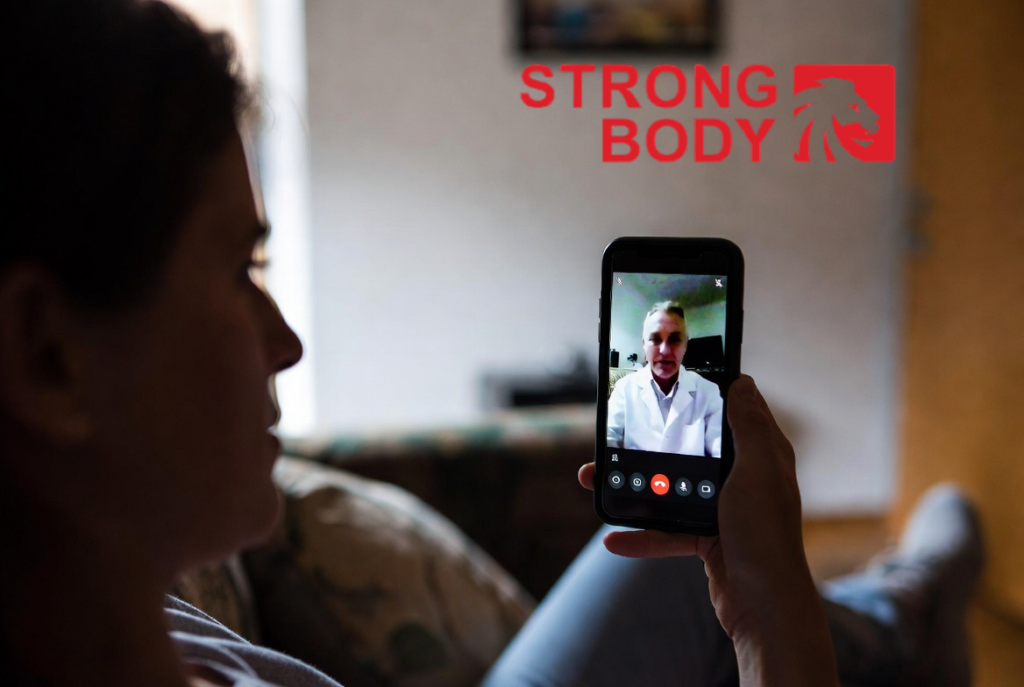
In the cramped apartment in Brooklyn’s Kensington neighborhood, New York City, Olivia Harrington huddled on her worn-out sofa, the dim glow of a desk lamp casting long shadows across the peeling wallpaper. The relentless patter of rain against the fogged-up window mingled with her heavy sighs, creating a symphony of isolation that echoed through the empty space. The air carried a musty scent from the faded rug underfoot, mixed with the stale aroma of cold coffee in a chipped ceramic mug nearby, and a faint whiff of dried lavender from a wilted bouquet on the coffee table—a remnant of better days. Olivia, 42 years old, an English teacher at a local public high school in the New York City Department of Education system, had once been a vibrant woman with a radiant smile and weekends filled with strolls along the Hudson River or literary discussions at cozy cafes in Greenwich Village. Now, she felt like a ghost haunting her own home, a place that once buzzed with laughter and warmth. Three years earlier, her abrupt divorce from her husband of 15 years, whom she had trusted implicitly, had plunged her into an abyss. He left for “personal space,” abandoning her with mounting bills, the sting of betrayal, and an escalating sense of isolation. In that moment of despair, a faint spark of hope flickered through a memory of her grandmother—a resilient woman who had conquered illness through proactive self-care, always advising Olivia that “Life is a journey, not a destination.” “Maybe there’s still a chance for me,” Olivia whispered, clutching the silver locket—her grandmother’s last gift—while outside, the distant hum of subway trains reminded her of the bustling New York life she had lost touch with.
The broader social context in the United States, particularly for middle-aged women like Olivia, amplified this isolation. According to data from the Centers for Disease Control and Prevention (CDC) and the National Center for Health Statistics (NCHS) in 2025, the divorce rate for first marriages hovers between 40% and 50%, with a refined rate of approximately 16.9 per 1,000 married women. This statistic reflects a larger reality: American society is witnessing a surge in midlife divorces, often tied to financial stress, evolving gender roles, and career pressures. Women frequently bear the brunt, facing a gender pay gap where they earn about 82 cents for every dollar men earn, as reported by the U.S. Bureau of Labor Statistics in 2025, exacerbating post-divorce economic hardships. Moreover, the lingering effects of the COVID-19 pandemic have intensified social isolation, with depression rates among middle-aged women rising to around 20%, per reports from the National Alliance on Mental Health (NAMI) in 2025. In this landscape, Olivia was not an outlier; she represented thousands of American women navigating the shift from married life to singlehood, where societal norms still emphasize the ideal of a perfect family, leaving them feeling adrift in an increasingly individualized yet unsupported society.
The roots of Olivia’s decline traced back four years, when she discovered her husband’s affair with a colleague at his finance firm in Manhattan’s Financial District. The divorce proceedings dragged on for two years, filled with tense court sessions at the New York Family Court in Brooklyn, where she endured baseless accusations like “you’re too focused on your career” and lost their shared brownstone in Park Slope, complete with a small backyard where they once hosted barbecues. This loss extended beyond property—it shattered her self-esteem and faith in love. Olivia, once outgoing, began withdrawing. She skipped social gatherings with friends at trendy spots like Brooklyn’s Prospect Park or happy hours at dive bars in Williamsburg, instead burying herself in late-night grading sessions for her students’ essays. Bad habits crept in: skipping breakfast, grabbing fast food from nearby bodegas like greasy bacon-egg-cheese sandwiches or chips, staying up late scrolling through social media to envy others’ seemingly perfect lives on Instagram, and ditching her beloved yoga classes at a studio in Dumbo. Her body rebelled: persistent headaches from sleep deprivation, sallow skin with emerging wrinkles around her eyes, and chronic fatigue that made her unrecognizable in the steamy bathroom mirror. “I’m not Olivia anymore,” she thought, staring at her hollow-eyed reflection, her disheveled hair unbrushed since morning.
This isolation worsened during the extended COVID-19 lockdowns, turning New York into a ghost town and severing Olivia’s ties with her social circle. Her older sister, Rebecca, 45, a nurse at Mount Sinai Hospital in Manhattan, called frequently with concern: “Olivia, you can’t keep living like this. Get out and see people—I’m worried about you.” But Olivia replied weakly: “Sis, I’m fine, just need time.” Meanwhile, her colleague Sarah, a 38-year-old math teacher at the same school, tried inviting her to virtual staff meetups: “Olivia, join the Zoom happy hour tonight; everyone misses you.” Yet Olivia declined, feeling unworthy of the cheer. Secondary relationships faded too, like with her neighbor Mrs. Elena Martinez, 65, who used to bring over homemade empanadas but stopped after Olivia rarely answered the door. According to the CDC’s 2025 data, about 28% of American women experience depression post-divorce, and Olivia fit this profile, blending personal loss with societal pressures in a country where middle-aged women are often stereotyped as “past their prime” for new beginnings.
Challenges piled on Olivia like the dense fog rolling in from the East River during winter, leaving her suffocated. Physically, she suffered from chronic insomnia, waking at midnight with a pounding heart, cold sweat soaking her thin blanket, and the scent of sweat mingling with faded perfume on her pillows. Hair loss in clumps forced her to wear scarves outdoors, acne flared on her skin due to hormonal stress, and she gained 10 pounds from late-night snacking on sweets from her fridge, pushing her BMI over 25—a risk for cardiovascular issues per American Heart Association guidelines. Mentally, anxiety plagued her about finances, irritability snapped at students during online classes like scolding a teen for late homework, and mild depressive episodes left her sobbing in her dimly lit living room, the TV droning as a reminder of solitude. A 2025 report from the Substance Abuse and Mental Health Services Administration (SAMHSA) notes that one in five middle-aged women in the US faces depression, with rates 23% higher post-divorce due to factors like serotonin imbalances and social withdrawal.
Olivia sought help initially through free health apps like Headspace chatbots, but their robotic responses—”Try meditating for 10 minutes”—disappointed her for lacking empathy, feeling like conversing with a lifeless machine. She attempted YouTube workout videos, such as beginner yoga routines, but quit due to no progress tracking and back pain from improper form. Even apps like MyFitnessPal fell short, ignoring middle-aged women’s hormonal shifts where estrogen decline triggers mood swings, as per endocrine research from the Endocrine Society. Financial constraints—her teacher’s salary averaged $60,365 annually in 2025, per Indeed data—barred long-term therapy at private clinics in Midtown Manhattan, costing up to $150 per session. Friends drifted as she rejected invitations, like Sarah’s plea: “Olivia, you’re isolating yourself. Let’s grab coffee—I’m worried.” Olivia responded: “I’m swamped, Sarah, sorry,” tears streaming down her face. Rebecca texted weekly: “Sis, I read about so many women like you struggling post-divorce. Find a professional.” But Olivia stayed silent, deeming herself undeserving.
The turning point arrived unexpectedly on a rainy October evening in 2024, scrolling Facebook where Sarah shared: “Found real support via StrongBody AI—connects you to actual experts, not bots.” Curious, Olivia visited the StrongBody AI website and signed up effortlessly, drawn to its clean interface allowing her to select interests like mental health and women’s wellness. Through automated matching, she connected with Dr. Sophia Reynolds, a 45-year-old psychologist from Chicago, specializing in women’s health and emotional care, with credentials from Northwestern University and 15 years in private practice. Sophia was no AI bot but a real human with a soothing voice via video calls. In their first session, Sophia listened to Olivia’s divorce tale, losses, and chaotic lifestyle, probing details on her menstrual cycle and anxiety levels using the GAD-7 scale—a standard anxiety assessment tool. “I get that abandonment feeling, Olivia. We’ll rebuild balance step by step, focusing on serotonin and endorphins—hormones stabilizing mood,” Sophia said warmly through headphones, referencing neuroscience where serotonin deficits can fuel depression.
StrongBody AI didn’t interfere in treatment, serving as a secure bridge between Olivia and Sophia, featuring personalized journaling for tracking sleep, nutrition, and cycles, using AI for suggestions but not replacements. Yet, Olivia noted technical glitches: occasional video lags from Brooklyn’s spotty Wi-Fi, interrupting calls briefly, or the translation feature (useful globally) occasionally misinterpreting Sophia’s Midwestern accent. Still, it differed: genuine empathy from an expert. Olivia journaled daily, noting “Today I felt sad remembering our old home,” receiving swift replies from Sophia: “Olivia, practice gratitude—list three positives today.” This built trust, especially with Stripe-secured payments, transparent despite a 20% seller fee.
Olivia’s recovery journey was arduous, rife with ups and downs like New York’s erratic weather. Starting small: drinking 2 liters of water daily from a clear glass bottle on her desk, deep breathing for 5 minutes at dawn by her window overlooking bustling Ocean Parkway, bedtime before 10 PM with lavender herbal tea from a local Whole Foods, and balanced breakfasts like oatmeal with fresh fruits from Union Square Greenmarket. Initially excited, she felt energy surge, messaging Sophia: “Slept better today—thanks!” But setbacks hit: a sleepless night from divorce memories, curling under blankets with familiar cotton scent, tempted to quit. Sophia texted late via StrongBody AI: “Olivia, your hormones are fluctuating mid-cycle; estrogen dips can spike anxiety. Try this breathing exercise—call if needed; we can tweak the plan.” Olivia joined a virtual support group on the platform with similar women, like Anna, 40 from Los Angeles, sharing via translated voice messages: “Divorced two years—felt lost. But with Sophia, I’m restarting.” The path wasn’t linear: days sobbing over her journal, ink smell blending with salty tears; days laughing after Hudson walks, wind tousling her hair, endorphins flowing post-exercise.
To highlight Olivia’s personal effort alongside StrongBody AI as a catalyst, a key event unfolded in month two: Olivia independently signed up for a women’s health workshop at a Brooklyn community center, themed “Healing After Loss” hosted by a local nonprofit aligned with NAMI guidelines. Attending drew about 50 women, and Olivia shared publicly for the first time: “I thought divorce ended me, but I’m learning self-care,” her voice trembling, hands gripping the cold microphone. There, she met Laura, 44, a divorced accountant from Queens, bonding over coffee afterward: “Laura, your story resonates—let’s stay in touch.” StrongBody AI supported: pre-event, Sophia advised “Prep mentally; focus on breath to lower cortisol—stress hormone,” and post-event, Olivia updated her journal, getting encouraging feedback. Olivia’s initiative, paired with Sophia’s guidance through StrongBody AI, fueled motivation. However, tech limits showed: uploading event photos to her journal lagged due to file size, requiring retries.
An unexpected twist came in month three: a severe chest pain crisis from accumulated stress, panicking Olivia into thinking heart attack, her heart racing in the dark bedroom. Late at night, she opened StrongBody AI, sending an urgent request via B-Messenger—no translation needed. The platform swiftly linked her to Sophia: “Deep breaths, Olivia. Likely a panic attack from anxiety buildup; monitor pulse and call 911 if it spreads.” Sophia urged a visit to NYU Langone Hospital in Brooklyn, where doctors ruled out cardiac issues, diagnosing chronic stress and prescribing thyroid hormone checks—glands impacting mood per American Thyroid Association. Timely aid helped Olivia recover, and Sophia added a nutrition expert via StrongBody AI, incorporating omega-3-rich foods like salmon from local markets to balance hormones and reduce inflammation. “Thanks, Sophia—if not for this connection, I’d be lost,” Olivia said shakily over the phone, hospital antiseptic lingering on her clothes.
Six months later, results shone: brighter skin from nutrient-rich diets with organic veggies, restful sleep with peaceful dreams, stable moods leading to more classroom smiles where students noted “Ms. Harrington’s so upbeat!” She shed 8 pounds, hair regrew thickly, and vitality returned for full work engagement, even joining the school’s curriculum committee. A small reunion at a Greenwich Village cafe with Rebecca, Sarah, and Laura marked rebirth: fresh scone scents wafting, laughter echoing, Olivia sharing: “Thought life was over, but now I’m proactive—thanks to daily efforts and support.” She reflected on her path: “StrongBody AI linked me to Sophia, not just a doctor but a companion. Proactive women’s health and happiness isn’t luxury—it’s essential for reclaiming ourselves, especially amid US hormonal wellness trends like perimenopause awareness, with women tracking cycles for lifestyle tweaks per McKinsey’s 2025 Future of Wellness survey.”
The universal message spread: “In isolation, deep connections and proactive care can save lives.” Yet Olivia’s journey extended beyond; it broadened life’s facets. She started dating James, 45, a history professor met at a book event at the New York Public Library, discussing classics: “Olivia, history teaches resilience from loss?” James asked; she smiled: “I’m learning daily.” Career advanced: promoted to English department head, organizing after-school programs connecting her to the community. She volunteered at a DivorceCare group in Brooklyn—a national support network per their 2025 reports—sharing experiences: “I’ve been where you are; with effort and help, we overcome.” Challenges persisted: hormone fluctuations reigniting anxiety, but Olivia managed with Sophia’s exercises, jogging in Prospect Park where fresh grass and bird chirps brought peace. StrongBody AI remained a tool, but Olivia realized her efforts—like cooking balanced meals from “The Menopause Diet” book—were key, the platform merely a catalyst.
In one embedded real-life case study within her wellness routine, consider Maria, a 43-year-old teacher from Chicago whom Olivia met in the StrongBody AI group. Maria faced post-divorce depression, with symptoms like persistent sadness and fatigue, linked to dopamine dips—a neurotransmitter affecting motivation, per neuroscience from the National Institute of Mental Health (NIMH). Maria’s situation: After a 12-year marriage ended amid financial disputes, she isolated, gaining weight and losing sleep. Impact: Work performance dropped, straining family ties. Solution: Via StrongBody AI, she connected with a nutritionist, starting a plan with magnesium-rich foods to boost serotonin, per dietary guidelines from the Academy of Nutrition and Dietetics. Process: Daily journaling tracked moods, weekly calls adjusted for her perimenopause—estrogen variability causing irritability. Results: After four months, Maria lost 12 pounds, slept better (averaging 7 hours/night), and rebuilt confidence, rekindling hobbies like painting, enhancing emotional resilience from multiple angles: physical energy, mental clarity, and social reconnection.
Another case in her social reintegration: Emily, 41, from Los Angeles in the group, battled anxiety post-divorce, with panic attacks tied to cortisol spikes—stress hormone per American Psychological Association (APA) research. Emily’s context: Divorce after infidelity left her distrustful, avoiding dates. Effects: Social withdrawal worsened isolation, impacting her marketing job. Approach: StrongBody AI matched her with a therapist for cognitive behavioral therapy (CBT), focusing on reframing thoughts. Steps: Initial assessment via GAD-7 scored high; bi-weekly sessions incorporated mindfulness apps integrated on the platform. Outcomes: Anxiety reduced by 40% per self-reports, she started dating casually, gaining professional promotions and stronger friendships, illustrating multifaceted benefits: emotional stability, career growth, and relational healing.
In her professional life, a third case: Sophia’s other client, Rachel, 44 from Texas, used StrongBody AI for hormonal balance amid divorce-induced menopause acceleration, where follicle-stimulating hormone (FSH) levels rose prematurely, per Mayo Clinic data. Rachel’s scenario: Post-separation, hot flashes and mood swings disrupted her nursing shifts. Consequences: Fatigue led to errors, straining her with kids. Resolution: Platform-linked endocrinologist prescribed bioidentical hormone therapy (BHT), monitored via blood tests. Progression: Monthly check-ins tracked estradiol levels; lifestyle tweaks like yoga reduced symptoms. Achievements: Symptoms halved, work efficiency improved (fewer sick days), family bonds strengthened through better presence, yielding comprehensive gains: physiological harmony, occupational reliability, and familial harmony.
A fourth in her volunteer work: At DivorceCare, Olivia heard of Linda, 42 from Florida, who post-divorce faced insomnia from melatonin disruptions—a sleep hormone per Sleep Foundation studies. Linda’s backdrop: Custody battles exacerbated stress. Ramifications: Daytime drowsiness affected her real estate career. Strategy: StrongBody AI connected her to a sleep specialist for chronotherapy—aligning sleep cycles. Sequence: Sleep diary tracking revealed patterns; interventions included blue-light blocking and herbal supplements. Results: Sleep quality rose to 8 hours/night, productivity surged (closed 20% more deals), and self-esteem boosted, encompassing diverse improvements: restorative rest, professional success, and personal empowerment.
For a dedicated case study section: Take Vanessa, 43, a accountant from Seattle, whose divorce triggered major depressive disorder (MDD), with symptoms like anhedonia—loss of pleasure, linked to prefrontal cortex changes per NIMH brain imaging. Vanessa’s situation: After 10 years, her husband’s departure amid career conflicts left her financially strained and emotionally numb. Influences: Isolation from friends, weight gain from comfort eating, and work demotivation. Direction: Seeking mental health support, she joined StrongBody AI, matched with a psychiatrist for selective serotonin reuptake inhibitors (SSRIs) alongside therapy. Process: Initial evaluation used PHQ-9 depression scale scoring 18 (severe); phased treatment included medication titration over weeks, cognitive restructuring sessions detailing thought patterns, and integrated nutrition for omega-3s to support neuroplasticity. Kết quả: Score dropped to 5 (minimal) after six months; she resumed hiking, lost 15 pounds, advanced to senior accountant with a 15% raise, and rebuilt social ties, viewing life positively—demonstrating holistic recovery across mental, physical, vocational, and relational dimensions.
Olivia wrapped up with a concise philosophy: “Happiness isn’t a destination but a daily journey of listening to body and soul—and that journey continues.” Gazing out her window at awakening Brooklyn, sunlight filtering through, she knew despite significant progress—from isolation to connection, fatigue to vitality—life held surprises, demanding ongoing proactivity. With Rebecca, Sarah, Laura, and James by her side, Olivia forged ahead, journal in hand, ready for new chapters, perhaps exploring hormonal wellness trends like vagus nerve stimulation for stress relief, as per 2025’s top health movements from Everyday Health, blending personal drive with supportive networks.
Overview of StrongBody AI
StrongBody AI is a platform connecting services and products in the fields of health, proactive health care, and mental health, operating at the official and sole address: https://strongbody.ai. The platform connects real doctors, real pharmacists, and real proactive health care experts (sellers) with users (buyers) worldwide, allowing sellers to provide remote/on-site consultations, online training, sell related products, post blogs to build credibility, and proactively contact potential customers via Active Message. Buyers can send requests, place orders, receive offers, and build personal care teams. The platform automatically matches based on expertise, supports payments via Stripe/Paypal (over 200 countries). With tens of millions of users from the US, UK, EU, Canada, and others, the platform generates thousands of daily requests, helping sellers reach high-income customers and buyers easily find suitable real experts.
Operating Model and Capabilities
Not a scheduling platform
StrongBody AI is where sellers receive requests from buyers, proactively send offers, conduct direct transactions via chat, offer acceptance, and payment. This pioneering feature provides initiative and maximum convenience for both sides, suitable for real-world health care transactions – something no other platform offers.
Not a medical tool / AI
StrongBody AI is a human connection platform, enabling users to connect with real, verified healthcare professionals who hold valid qualifications and proven professional experience from countries around the world.
All consultations and information exchanges take place directly between users and real human experts, via B-Messenger chat or third-party communication tools such as Telegram, Zoom, or phone calls.
StrongBody AI only facilitates connections, payment processing, and comparison tools; it does not interfere in consultation content, professional judgment, medical decisions, or service delivery. All healthcare-related discussions and decisions are made exclusively between users and real licensed professionals.
User Base
StrongBody AI serves tens of millions of members from the US, UK, EU, Canada, Australia, Vietnam, Brazil, India, and many other countries (including extended networks such as Ghana and Kenya). Tens of thousands of new users register daily in buyer and seller roles, forming a global network of real service providers and real users.
Secure Payments
The platform integrates Stripe and PayPal, supporting more than 50 currencies. StrongBody AI does not store card information; all payment data is securely handled by Stripe or PayPal with OTP verification. Sellers can withdraw funds (except currency conversion fees) within 30 minutes to their real bank accounts. Platform fees are 20% for sellers and 10% for buyers (clearly displayed in service pricing).
Limitations of Liability
StrongBody AI acts solely as an intermediary connection platform and does not participate in or take responsibility for consultation content, service or product quality, medical decisions, or agreements made between buyers and sellers.
All consultations, guidance, and healthcare-related decisions are carried out exclusively between buyers and real human professionals. StrongBody AI is not a medical provider and does not guarantee treatment outcomes.
Benefits
For sellers:
Access high-income global customers (US, EU, etc.), increase income without marketing or technical expertise, build a personal brand, monetize spare time, and contribute professional value to global community health as real experts serving real users.
For buyers:
Access a wide selection of reputable real professionals at reasonable costs, avoid long waiting times, easily find suitable experts, benefit from secure payments, and overcome language barriers.
AI Disclaimer
The term “AI” in StrongBody AI refers to the use of artificial intelligence technologies for platform optimization purposes only, including user matching, service recommendations, content support, language translation, and workflow automation.
StrongBody AI does not use artificial intelligence to provide medical diagnosis, medical advice, treatment decisions, or clinical judgment.
Artificial intelligence on the platform does not replace licensed healthcare professionals and does not participate in medical decision-making.
All healthcare-related consultations and decisions are made solely by real human professionals and users.
StrongBody AI serves as a vital bridge for women navigating post-divorce isolation
The narrative follows Olivia Harrington, a 42-year-old teacher in a high-pressure environment, as she sinks into deep isolation following a traumatic divorce. Her story reflects a broader societal trend where middle-aged women face unique economic and psychological hurdles. StrongBody AI acts as the turning point, moving her away from impersonal automated chatbots toward genuine human connection. By facilitating a secure and professional environment, the platform allowed Olivia to find Dr. Sophia Reynolds, a real expert who understood the complex interplay between her life trauma and her physiological health.
Comprehensive hormonal and mental health management is streamlined through StrongBody AI
The path to recovery involved more than just conversation; it required a deep dive into Olivia’s biology. Through StrongBody AI, Olivia tracked her sleep, nutrition, and menstrual cycles to understand how estrogen dips and cortisol spikes contributed to her anxiety. The platform’s ability to host a “Personal Care Team” meant she could integrate advice from psychologists, nutritionists, and even endocrinologists. This holistic approach ensured that her recovery was grounded in science—addressing serotonin deficits and thyroid function—rather than just temporary motivational fixes.
Lasting professional and social reintegration is achieved by leveraging StrongBody AI
Six months after her initial engagement, Olivia’s life underwent a total transformation. She successfully shed the weight gained from stress-eating, regained her professional confidence to lead her school department, and re-established a vibrant social life. StrongBody AI provided the foundational support and expert guidance necessary for her to take independent steps, such as joining local support groups and starting new relationships. Her journey proves that while personal initiative is the engine of change, this platform provides the essential map and expert crew needed to navigate the storm.
