
Self-Care: A Woman’s Proactive Journey
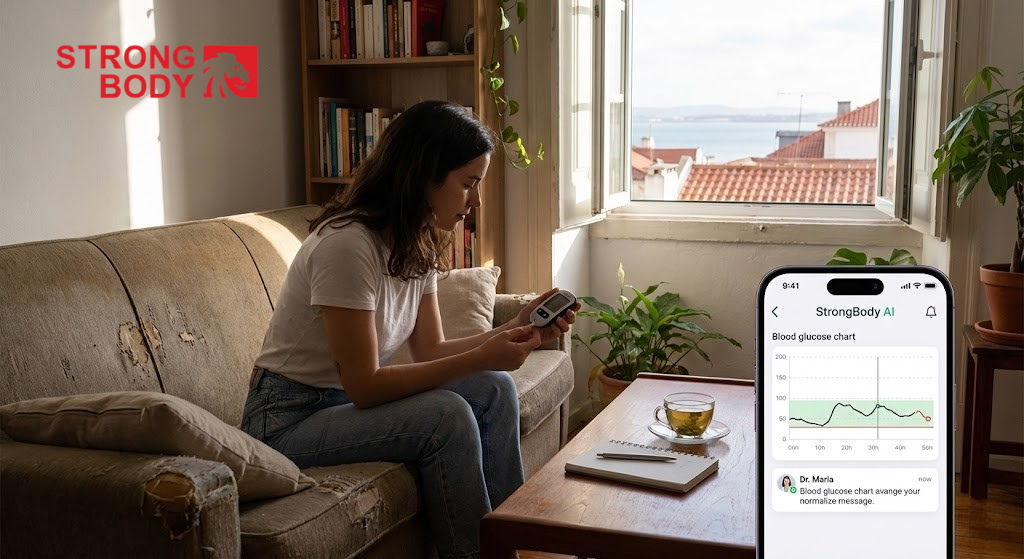
In a small third-floor apartment in Capitol Hill, Seattle, the November rain pattered against the glass like melancholy fingers tapping rhythmically on the old wooden window frame. The amber glow of a desk lamp was only enough to illuminate a corner of a worn oak dining table, where forty-six-year-old Elena Marie Thompson sat motionless, her posture hunched. Her hand held a cup of chamomile tea that had long since gone cold, its faint herbal scent mingling with the musty air of a room lacking human warmth, where the morning’s coffee aroma had vanished months ago. Her deep sigh merged with the steady rhythm of the rain outside, a lonely bass note in the somber symphony of a Seattle night—a city where millions live packed together yet rarely truly connect, especially for middle-aged women like Elena, struggling with the modern social pressures of America: hustle culture, skyrocketing living costs, limited mental health insurance, and the gradual invisibility of women over forty in films, advertisements, and the professional grind itself.
Elena had once been a beloved English teacher at Ballard High School—a diverse public school where she not only taught Shakespearean sonnets but also listened to teen stories of academic pressure, broken families, and post-COVID loneliness. Her voice was as warm as a hot cup of tea, her smile always ready, and students often called her “Ms E” with a mixture of respect and affection, as if she were a second mother in the classroom. But three years ago, her eighteen-year marriage shattered like a sudden storm. Her husband, Mark, a software engineer at Amazon’s downtown headquarters, left without a clear explanation, leaving only cold divorce papers and a chilling void in the house once filled with the laughter of their young daughter Anna and cozy family dinners smelling of grilled meat and homemade bread. Elena did not cry much in front of others; she maintained a professional facade at school, but inside, a part of her soul had died, leaving behind the void that American society often labels a “midlife crisis”—particularly for independent middle-aged women taught to be strong, self-reliant, and never allowed to be weak amidst bills, work, and personal expectations.
Loss did not stop there but piled up like the thick layers of fog that shroud the city in winter. A year after the divorce, her mother, Margaret—a resilient woman who had raised her alone in Portland through secretarial work and late-night sewing—passed away from end-stage pancreatic cancer. Elena flew back to Portland to care for her in those final months, clutching her hand in a hospital room where the scent of disinfectant mingled with the white lilies she loved, and the steady beep-beep of the heart monitor served as a reminder of life’s fragility. Returning to Seattle on a late flight, she felt like a hollow shell, wandering through the airport with a suitcase heavy with memories. Her job remained stable, her teacher’s salary enough to cover rent and bills, but she began skipping breakfast as there was no one to cook with, and cooking for one felt pointless. She stayed up until two or three in the morning scrolling through her phone to avoid dreams of a happy past, only to doze off during lessons with a clouded mind. She gained nearly eighteen kilograms, her hair fell out in clumps while brushing in the early morning, and her skin became sallow with new brown spots, the dark circles under her eyes deepening like traces of sleepless nights. In the evenings, she sat huddled under a thin grey blanket, staring out at the misty window, wondering who she was anymore in a society that encourages “hustle” but criticises exhaustion, where health insurance rarely covers mental health adequately, and where the “self-care” movement has been commercialised into expensive social media products.
The broader social context was evident through conversations with friends and colleagues, reflecting the reality of middle-aged women in post-pandemic America. Sarah Patel, a history teacher and colleague—an Indian-American woman divorced two years prior and raising two young children—often sat drinking a latte during lunch breaks at the Starbucks near the school, sighing about the dual pressure. Sarah said in a low voice, “Elena, you know, in this country, we are caught between a culture of rugged independence and real loneliness. People talk about self-care on Instagram, selling meditation apps and vitamins, but who really listens when we cry alone after the kids are asleep? The pandemic made it worse; online teaching killed the connection, and now there’s the pressure of returning to school with psychologically traumatised students.” Elena nodded, feeling a deep resonance, yet she kept her distance, fearing she would expose her own vulnerability.
Lisa, her younger sister in Portland, a freelance graphic designer, occasionally video-called on weekends. “You look exhausted,” Lisa said through the screen with a worried tone. “I want to visit you, but I have a project deadline. Have you seen a doctor?” Elena forced a smile. “I’m fine, just tired.” Anna, her twenty-two-year-old daughter at university in California, called less often, busy with coursework and friends. Those rare calls were usually brief: “Are you okay, Mum?” — “I’m fine, honey” — then silence.
The root of her decline lay in events three to seven years ago that caused Elena to completely lose her rhythm and herself. Divorce was not just the loss of a partner but the loss of the stability American society prizes—the nuclear family, a stable home, and a joint retirement plan of dream European trips. Then came the loss of her mother, who always reminded her to care for herself before others with weekly calls full of warm advice. Bad habits formed like an endless loop: skipping meals, staying up late, avoiding exercise because of fatigue and Seattle’s constant rain, and social isolation due to the embarrassment of meeting friends and having to wear a fake smile. The feeling of no longer being herself came gradually, like a haze of dust covering her life, making her look in the mirror and see a stranger with soulless eyes.
The difficulties compounded as physical and mental symptoms erupted violently. Chronic insomnia meant waking at three in the morning with a heart thumping from irrational anxiety about money, the future, and whether she could still teach. She was irritable with colleagues in meetings and with students who were late submitting work, only to blame herself in the bathroom mirror where cold neon lights shone on her tired face. Her skin worsened with new wrinkles, her weight gain made her old clothes so tight she had to buy larger sizes, and hair loss filled her brush, forcing her to hide under woollen beanies. Mentally, she suffered from chronic anxiety and mild depression, feeling worthless in a society where middle-aged women are often made invisible.
Elena tried seeking help in various ways. She chatted with chatbots on free health apps and did online meditation exercises, but she was frustrated by the lack of genuine empathy; the mechanical AI voices could not understand the simultaneous pain of losing a mother and a marriage. She downloaded health tracking apps and kept a food diary, but no one really asked how she felt or listened to her talk about her loneliness. Disconnected from friends—Sarah busy with children, Lisa with projects, Anna distant—she lacked trust and the finances for long-term therapy, as insurance only covered a few sessions per year and the out-of-pocket costs were too high for a public school teacher.
One drizzly March afternoon, while scrolling through Facebook during a lunch break with a cold coffee, Elena saw a post from a divorce support group shared by Sarah. Sarah messaged privately, “Elena, try this. I’ve used Strongbody AI for three months; it’s not a chatbot, but real experts who listen and accompany you, and the fees are much more reasonable than local therapy.” Elena clicked the link out of curiosity. The website strongbody.ai was simple and clean. She registered for a free Buyer account, selecting interests in women’s health, emotional balance after loss, nutrition, and sleep.
The system suggested Dr Sofia Ramirez, an endocrinologist and lifestyle medicine specialist from Mexico City, practising global telehealth and certified by the American College of Lifestyle Medicine. Elena sent a message via B-Messenger with a trembling hand: “I don’t know where to start anymore. I am terribly exhausted, my hair is falling out, I’m not sleeping well, and I feel like I have no value at all.”
Forty minutes later, Sofia replied with a warm voice message and an automatic translation: “Elena, thank you for opening up. I understand exactly the feeling when the body and soul are crying out in silence. We will take small steps. I want to hear about your typical day, from morning to night, so I can understand you better.”
It was the first time in three years Elena felt someone was truly listening without judgement or rushing to a solution. Sofia asked in detail about her menstrual cycle, which had been erratic for two years with night hot flushes, her interrupted sleep, her snacks instead of meals, and her emotions when looking in the mirror. She explained that at forty-six, Elena was in perimenopause—where estrogen fluctuations cause fatigue, hair loss, anxiety, and abdominal weight gain. But Sofia emphasised gently, “This is not a disease to be cured, but a natural transition in a woman’s life. Your body is reminding you that it needs proactive care more than ever. I will accompany you, not replacing your local doctor, but supporting a holistic lifestyle from physical to mental.”
However, Strongbody AI had technical limitations that required Elena to adapt. Occasionally the app lagged due to global servers, and the voice translation wasn’t always one hundred per cent accurate with Sofia’s Mexican accent, meaning some medical terms had to be re-listened to or explained in text. The platform lacked a built-in video call feature, so they had to switch to Zoom or Google Meet, and the ten per cent buyer fee plus the twenty per cent seller fee made some long-term services more expensive than anticipated. Elena once complained mildly, “The app is sometimes so slow, and the fees are a bit high for my teacher’s budget. The voice translation also makes mistakes that cause misunderstandings.” Sofia laughed via voice message, “Indeed, Elena, I know those limitations; the platform is still developing, but we use it as a convenient bridge—the most important part remains your own proactive effort and persistence.”
They began with small but specific changes. Sofia sent a personalised plan via chat: drink two litres of water a day with reminders, eat a protein-rich breakfast within an hour of waking (like eggs and spinach), and practice 4-7-8 breathing before bed. Elena bought organic chamomile tea from a local shop and a small leather journal to record her emotions by the window each night. Initially, it was incredibly difficult; some nights she stayed awake anxious about work, and some days she skipped meals because she didn’t want to cook alone. But every time she messaged a “failure” through the app, Sofia replied almost immediately despite the time difference: “There is no failure, Elena, only valuable information. Your hormones are low today; we just adjust. Tomorrow, try a ten-minute walk in the Seattle rain; light rain helps reset the mood.”
The journey was arduous, with relapses, fatigue, and bouts of lost motivation. In the third month, a major health event occurred that made Elena realise how vital personal effort is when combined with Strongbody AI support. She caught a severe flu combined with hormonal imbalance, a thirty-nine-degree fever, and intense joint pain, forcing her to miss a week of school. The apartment became stifling with the smell of cold medicine and sweat; she huddled under her blanket and video-called Lisa. Lisa was worried, “I’ll fly to Seattle right now, you look so weak.” Elena replied weakly but firmly, “No need, I can take care of myself. You’re busy; I just need rest.” She pushed herself to recover by making chicken soup from scratch despite her feverish tremors, drinking warm water with lemon, and keeping a detailed diary of every sensation to track her progress. Sofia provided timely support through a detailed Offer, adjusting anti-inflammatory nutrition with increased omega-3 from salmon and seeds, cutting caffeine entirely, and instructing on active rest. Elena accepted the offer, paid through secure escrow, and felt a distinct difference combining her own effort with expert advice. Sofia said via voice, “You are doing so well, Elena. I am just a catalyst, but the real power comes from your persistence, from choosing to cook healthily even when tired.”
In the fourth month, another unexpected twist tested Elena’s spirit. At a Ballard High School alumni event, Elena ran into Mark, her ex-husband, attending as a former parent. He appeared with a new woman, smiling awkwardly when they met. “Hi Elena, you look much healthier than the last time.” Elena’s heart raced, anxiety surging like a rough tide; she left early, sitting in her car under the pattering rain, sobbing with tears mingling with the rain. She opened B-Messenger to message Sofia at eleven at night: “I saw him, Sofia. All the memories came back; I feel like I’m about to collapse.” Sofia was online immediately despite the late hour in Mexico. “Breathe deeply, Elena. I am here with you through this screen. Tell me in detail what you are feeling in your chest and head.” Elena sobbed, talking about the fear of being abandoned again, the memory of her mother’s death, the feeling of unworthiness. Sofia did not interrupt; she listened to it all, then guided her through a simple grounding exercise—touching the cold floor of the car, smelling the tea remaining in her cup, listening to the rain. The next morning, Sofia sent a Zoom link for a consultation and encouraged Elena to get blood tests from her local doctor to rule out deficiencies. The results showed severe iron and vitamin D deficiency, explaining some of her prolonged fatigue and hair loss. Sofia did not prescribe medication but supported lifestyle changes, increasing iron-rich foods like spinach and red meat, and gentle yoga for twenty minutes a day. Elena made the effort, even though her joints still ached from the flu, walking daily in the Seattle rain to build resilience.
Gradually, these accumulated changes made a marked difference. By the sixth month, Elena was sleeping six to seven hours continuously without waking, her hair loss had significantly slowed, and her complexion was rosier thanks to hydration and leafy greens. She began walking around Green Lake on Sunday mornings, feeling the cool Seattle air seep through her woollen coat, the smell of damp earth after the rain clearing her mind. She messaged Sofia joyfully: “Today I smiled genuinely at a former student in the cafe; it’s been so long since I felt this way.”
Nine months after beginning the journey, Elena stood before the large mirror in her bedroom, stroking her thicker, shinier hair, wearing her favourite blue sweater she had hidden away due to weight self-consciousness. She organised a small, cozy gathering at home, inviting Sarah Patel with her two children, Lisa who flew up from Portland, and Anna who flew back from California. On the table was a quinoa salad with organic vegetables, fragrant grilled salmon with fresh lemon, and a pot of hot chamomile tea. Laughter filled the room; Anna hugged her mother tightly. “Mum, I’m so proud of you. You look radiant.” Sarah whispered in her ear, “You’ve truly changed, Elena. I see the fire in you again.” Lisa held her sister’s hand. “Let’s go on a Hawaii retreat just the two of us, no work, no worries, just relaxing and talking.” Elena shared her journey in an emotional voice: “I once thought I wasn’t worth caring for, that women like us had to carry it all. But thanks to Strongbody AI connecting me with Sofia, and despite technical limitations, and most importantly, my own daily efforts—from healthy cooking to walking in the rain—I’ve learned that self-care is not selfish; it’s the way to survive and live truly fully.”
Sofia had once said in a consultation, “We women often care for the whole world around us, but forget that we ourselves are a world that needs to be loved and nurtured.” Elena replied in a later message, “I was isolated in my own pain, but now I understand that deep connection, whether through a screen or through friends and family, can save a person.”
The ending did not stop at that small gathering but expanded into other facets of Elena’s life. Elena began a personal blog sharing her recovery journey on a Seattle women’s support group, attracting several members who joined in with their own stories, creating a small community that met monthly at a local cafe. Her relationship with Anna improved significantly; they video-called weekly not just about studies but to share deep emotions. Anna even said, “Mum, I’m also learning to care for myself because of your stories.” With Sarah, they became closer friends, joining a local yoga class together to support one another. Lisa and Elena planned their short retreat to Hawaii for the summer, where they would walk on the beach and talk about the future. Elena still used Strongbody AI periodically to track her hormones and get advice from Sofia, but she was far more confident now, even thinking of sharing her experience as an informal mentor for other women on the platform. Her teaching job returned with new energy; students noticed Ms E smiled more and was more enthusiastic in literature classes. Her physical health was stable, her mood consistently joyful, but Elena knew the journey continued—there would be days when hormones fluctuated again, new relationships to build carefully, and work challenges at school. However, she now held the key to proactivity, with the support of experts, friends, family, and her own inner strength. Life opened up before her like the Seattle sky after a heavy rain: clear and full of hope, but still with clouds waiting to be explored and overcome.
USER MANUAL: STRONGBODY AI BUYER GUIDE
Registering a Buyer Account on StrongBody AI
By default, all new registrations are set as Buyer accounts. The registration process includes:
- Accessing the Platform: Users visit the StrongBody AI website at https://strongbody.ai or any link belonging to the StrongBody AI domain.
- Sign Up: Click the “Sign Up” button at the top right corner of the screen. The registration form is set to Buyer mode by default.
- Information Entry: Users enter their email address and a custom password to register.
- Personalisation: Immediately after registering and activating the account, during the first login, users are required to select their Fields of Interest and follow specific Expert Groups based on professional fields.
- Smart Matching Integration: StrongBody AI uses these preferences to search and match suitable products and services available on the platform to send to the Buyer, ensuring convenience when the Buyer needs to purchase.
- Start Browsing: After completing these selections, users can begin browsing information and performing transactions on the platform.
Auto-Matching and Information Personalisation Features
- Automatic Matching: A standout feature of StrongBody AI is its Auto-Matching capability. Once a Buyer provides their interests and preferred expert groups, the system automatically filters suitable service information and delivers it to the Buyer.
- Email Notifications: Every time a new service matching the Buyer’s interests is uploaded, the system automatically sends an email notification so the Buyer can view details and place an order.
- Optimised Experience: Information displayed on the website and linked applications is synced with user interests to provide the best informational benefits and an optimal service experience.
Modern and Convenient Buyer Account Menu
StrongBody AI provides a dedicated Menu set for Buyers, ensuring easy access and management of personal information. After logging in, the Buyer menus located at the top right of the interface include:
- My Account: Access this menu to manage your entire profile. This page allows you to manage transactions, track current and past orders, view offers from various sellers, update card and personal information, change login credentials, manage uploaded images, view platform notifications, and access the internal messaging system.
- Purchased Services: A quick-access menu to the list of services you have ordered.
- Purchased Products: A quick-access menu to the list of products you have purchased.
- My Request: A quick-access menu to view the history of requests you have sent.
- Received Offers: A dedicated menu to manage offers received from experts (Sellers).
Ordering and Sending Requests
The Service Ordering Process
Buyers can browse products, services, experts, and resources via the Top Navigation Menu, Bottom Menu, and various website sections:
- Browsing Services: Services posted by platform experts (Sellers/Providers/Experts) are displayed on the Service page. Users can view service categories or specific details. A search filter on the left menu allows filtering by category and specific needs.
- Service Details: Each service page includes a specific description, illustrations, pricing, and Seller information. Services are explained in detail, including implementation steps, technologies/techniques applied, roadmaps, and quality commitments. Buyers can click the Seller’s name to view their full profile.
- Payment & Escrow: To order, the Buyer clicks “Buy Now”. Payment is made, and the funds are transferred into StrongBody AI’s intermediary Escrow vault. Once the order is placed, notification emails are sent to both the Seller and Buyer to track and process the transaction.
Sending a Service Request to a Seller
- A highlight of the platform is that Buyers do not have to buy a service exactly as posted. They can send a custom request via the “Send Request” form on the service details page. The Seller will receive a notification of a custom request corresponding to their service and can manage it in their Seller Request dashboard.
Sending a Public Request
- If a Buyer cannot find a suitable existing service, they can create a Public Request. This includes selecting a field/category and describing the specific requirements.
- AI Matching: The intelligent AI system automatically searches for potential Sellers based on expertise and requirements to deliver the request to them.
- Multiple Offers: The Buyer can receive multiple offers from different Sellers and choose the one that fits best. This feature increases the chances of finding the best provider and encourages Sellers to improve their services.
Product Consultation (Consult Request)
Products shared on a Seller’s personal shop are for informational and introductory purposes. StrongBody AI allows Buyers to contact Sellers for consultations:
- Consultation via B-Messenger: On the product information page, the Buyer sends a request which opens the Biz Messenger (B-Messenger) window.
- Real-time Exchange: Sellers and Buyers can exchange information in real-time. The acquisition of these products is performed directly between the two parties. StrongBody AI facilitates the confirmation of completed transactions and supports secure payments through integrated Stripe, PayPal, or Payoneer.
Receiving and Processing Offers
Dispute Resolution: If a complaint arises, StrongBody AI will support both parties by reviewing the Offer details, chat history, and evidence provided. If a refund or cancellation is agreed upon, the corresponding amount is returned to the Buyer based on the consensus between both parties.
Offer Management: When a Seller sends an Offer (regarding a product, service, or in response to a request), the Buyer receives it. Buyers manage these via My Account -> Received Offers.
B-Messenger Integration: Unique to StrongBody AI, Offers appear directly within the chat window in B-Messenger. This transforms the chat tool into a powerful business transaction tool.
Reviewing the Offer: The Offer contains the name, service/product type, scope of work, timeline, delivery method, agreed-upon terms, and the cost. The Buyer may choose to ignore the Offer.
Acceptance and Payment: If the Buyer agrees, they pay via PayPal or Stripe using pre-configured credit cards. Payments are fully encrypted and secure. Funds are held in Escrow by StrongBody AI.
Execution and Completion: The Seller receives notification of payment and begins the work. Once finished, if the Buyer agrees with the result, they confirm the Offer as Completed.
Fund Release: After confirmation and a 15-day period (without complaints), the payment is released to the Seller minus transaction fees.
Dispute Resolution: If a complaint arises, StrongBody AI will support both parties by reviewing the Offer details, chat history, and evidence provided. If a refund or cancellation is agreed upon, the corresponding amount is returned to the Buyer based on the consensus between both parties.
Overview of StrongBody AI
StrongBody AI is a platform connecting services and products in the fields of health, proactive health care, and mental health, operating at the official and sole address: https://strongbody.ai. The platform connects real doctors, real pharmacists, and real proactive health care experts (sellers) with users (buyers) worldwide, allowing sellers to provide remote/on-site consultations, online training, sell related products, post blogs to build credibility, and proactively contact potential customers via Active Message. Buyers can send requests, place orders, receive offers, and build personal care teams. The platform automatically matches based on expertise, supports payments via Stripe/Paypal (over 200 countries). With tens of millions of users from the US, UK, EU, Canada, and others, the platform generates thousands of daily requests, helping sellers reach high-income customers and buyers easily find suitable real experts.
Operating Model and Capabilities
Not a scheduling platform
StrongBody AI is where sellers receive requests from buyers, proactively send offers, conduct direct transactions via chat, offer acceptance, and payment. This pioneering feature provides initiative and maximum convenience for both sides, suitable for real-world health care transactions – something no other platform offers.
Not a medical tool / AI
StrongBody AI is a human connection platform, enabling users to connect with real, verified healthcare professionals who hold valid qualifications and proven professional experience from countries around the world.
All consultations and information exchanges take place directly between users and real human experts, via B-Messenger chat or third-party communication tools such as Telegram, Zoom, or phone calls.
StrongBody AI only facilitates connections, payment processing, and comparison tools; it does not interfere in consultation content, professional judgment, medical decisions, or service delivery. All healthcare-related discussions and decisions are made exclusively between users and real licensed professionals.
User Base
StrongBody AI serves tens of millions of members from the US, UK, EU, Canada, Australia, Vietnam, Brazil, India, and many other countries (including extended networks such as Ghana and Kenya). Tens of thousands of new users register daily in buyer and seller roles, forming a global network of real service providers and real users.
Secure Payments
The platform integrates Stripe and PayPal, supporting more than 50 currencies. StrongBody AI does not store card information; all payment data is securely handled by Stripe or PayPal with OTP verification. Sellers can withdraw funds (except currency conversion fees) within 30 minutes to their real bank accounts. Platform fees are 20% for sellers and 10% for buyers (clearly displayed in service pricing).
Limitations of Liability
StrongBody AI acts solely as an intermediary connection platform and does not participate in or take responsibility for consultation content, service or product quality, medical decisions, or agreements made between buyers and sellers.
All consultations, guidance, and healthcare-related decisions are carried out exclusively between buyers and real human professionals. StrongBody AI is not a medical provider and does not guarantee treatment outcomes.
Benefits
For sellers:
Access high-income global customers (US, EU, etc.), increase income without marketing or technical expertise, build a personal brand, monetize spare time, and contribute professional value to global community health as real experts serving real users.
For buyers:
Access a wide selection of reputable real professionals at reasonable costs, avoid long waiting times, easily find suitable experts, benefit from secure payments, and overcome language barriers.
AI Disclaimer
The term “AI” in StrongBody AI refers to the use of artificial intelligence technologies for platform optimization purposes only, including user matching, service recommendations, content support, language translation, and workflow automation.
StrongBody AI does not use artificial intelligence to provide medical diagnosis, medical advice, treatment decisions, or clinical judgment.
Artificial intelligence on the platform does not replace licensed healthcare professionals and does not participate in medical decision-making.
All healthcare-related consultations and decisions are made solely by real human professionals and users.