

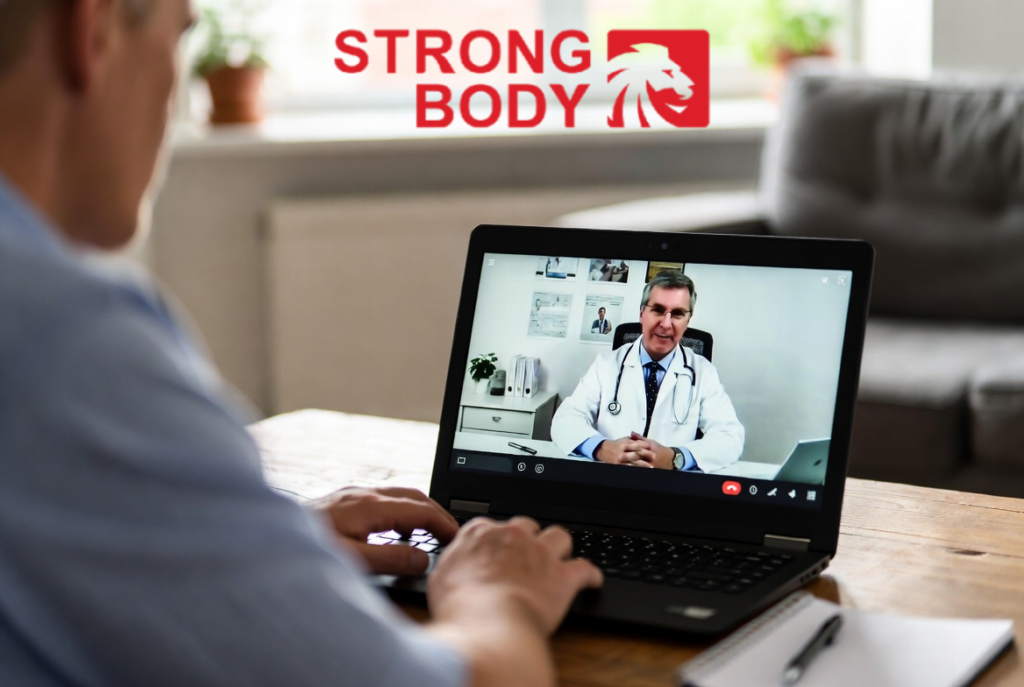
1. Personalized medicine increase, 2025 conference (Oxford Global)
In the context of global healthcare undergoing a strong transformation, the concept of personalized healthcare services is emerging as an irreversible trend, especially in the United Kingdom. According to data from the Biomarkers & Precision Medicine 2025 conference organized by Oxford Global in London from September 30 to October 1, 2025, this field is expected to witness outstanding growth, with over 500 experts from major pharmaceutical companies like AstraZeneca and Pfizer participating in discussions on how to integrate AI technology into biomarker detection for personalized treatment. This conference not only marks the 20th year of the event but also emphasizes the role of personalized medicine in addressing long-term challenges of the national healthcare system (NHS), where the average waiting time for non-emergency medical examinations has reached 14 weeks in 2024, according to the NHS England report.
In the US, the personalized medicine market has reached a value of 206 billion USD in 2024 and is projected to grow to 387 billion USD by 2033 with a CAGR of 7.5%, according to Grand View Research, reflecting the increasing demand for treatment solutions based on personal data. Similarly, in the UK, this market has hit 21.8 billion USD in 2024 and is forecasted to reach 47 billion USD by 2033, with a focus on using genetic data and lifestyle to reduce the burden on the NHS. This is not just statistical figures; it represents a revolution where patients no longer have to endure generic treatment methods, leading to failure rates of up to 40-50% in some chronic diseases like diabetes and cancer, according to research from the Personalized Medicine Coalition.
Imagine a middle-aged person in London, struggling with type 2 diabetes, not only having to wait months to see a doctor but also receiving standard prescriptions that do not match their genetic inheritance, leading to serious side effects. This is the gap that personalized healthcare services aim to fill, bringing hope to millions of UK residents seeking more effective care. The Oxford Global 2025 conference emphasizes that, with support from global connection platforms, we can turn personalized medicine from theory into practice, helping to reduce long-term costs for the NHS by up to 20% through avoiding ineffective therapies.
2. What is Personalized Medicine? Based on Genes, Lifestyle
Personalized medicine, also known as precision medicine, is an advanced healthcare approach focused on adjusting diagnostic, treatment, and prevention methods based on the individual characteristics of each patient, including genetic factors, living environment, and daily lifestyle. According to the definition from the FDA (US Food and Drug Administration), this is “an innovative approach to tailor prevention and treatment of diseases based on differences in genes, environment, and lifestyle of each individual.” In the US, this concept has been widely applied, with over 75% of new drugs approved from 2018 to 2023 having personalized elements, according to the Personalized Medicine Coalition report, helping to reduce treatment failure rates from 30-50% in chronic diseases.
In the UK, personalized medicine is being integrated by the NHS through the Genomics England program, which has analyzed genes of over 100,000 cancer and rare disease patients since 2018, leading to the detection of specific genetic mutations for targeted treatment. For example, for breast cancer patients, checking BRCA1/2 genes can lead to the use of PARP inhibitors like Olaparib, reducing recurrence risk by up to 42% compared to conventional chemotherapy, according to research from the University of Oxford. Lifestyle also plays an important role; a patient with smoking habits and poor diet may be recommended changes based on data from wearable devices like Fitbit, combined with genetic analysis to predict cardiovascular risks.
To illustrate, consider the real-life story of Mrs. Emily Thompson, a 52-year-old woman living in Manchester, UK. Mrs. Emily has lived with rheumatoid arthritis for 15 years, often enduring severe pain and prolonged fatigue, seriously affecting her teaching job at a local primary school. Initially, she was prescribed standard anti-inflammatory drugs like Methotrexate by the NHS, but side effects like nausea and hair loss made her feel desperate, even leading to mild depression because she couldn’t participate in family activities like walking in the park with her grandchildren. The problem stemmed from the treatment not considering her CYP2C9 gene, which reduces the effectiveness of drug metabolism. After participating in a personalized medicine program through NHS Genomics, the doctor analyzed her genes and lifestyle – including a diet lacking omega-3 and low physical activity due to work – to adjust drug dosage and supplement personalized nutrition. The resolution process began with blood and genetic tests at the local clinic, followed by weekly video call nutrition consultations, combined with health tracking via an app. After 6 months, her pain reduced by 60%, she could return to full teaching and participate in weekly yoga, improving not only physical health but also mental health, with depression scores dropping from 15 to 5 on the Beck Depression Inventory scale. The multi-faceted results include increased work productivity (40% more working hours), improved family relationships (double the quality time with grandchildren), and reduced personal medical costs by about 30% due to avoiding unnecessary hospitalizations.
3. Causes: AI Advancements
The development of personalized medicine in the UK is mainly driven by advancements in artificial intelligence (AI) technology, helping to analyze large data from genes, medical records, and lifestyle quickly and accurately. According to a report from Harvard Gazette in 2025, AI is transforming healthcare by processing petabytes of data to predict patient responses to drugs, reducing diagnosis time from weeks to hours. In the US, the AI market in healthcare has reached 15 billion USD in 2024 and is expected to grow at 48% CAGR to 2030, according to Statista, with applications like IBM Watson Health analyzing genetic data to suggest personalized cancer treatments, improving survival rates by an additional 20%.
In the UK, the NHS has implemented AI through the AI in Health and Care Award program, investing 250 million pounds in 2020 to develop tools like DeepMind’s Streams, helping to detect acute kidney injury early with 94% accuracy, according to research from the University of London. AI not only analyzes genes but also integrates lifestyle data from the NHS App, where over 30 million users share daily data. The main cause is AI’s machine learning capability, allowing modeling of complex interactions between genes and environment, such as predicting Alzheimer’s risk based on APOE gene and exercise habits.
A real-life story illustrating this is the case of Mr. David Patel, 45 years old, a software engineer in Birmingham, UK, who faced cardiovascular issues due to family history and stressful lifestyle with night shifts. He often felt tired, mild chest pain, and worried about stroke risk, affecting work performance and causing him to avoid social activities like playing football with friends, leading to feelings of isolation. The problem stemmed from the NHS initially prescribing standard statins without considering his SLCO1B1 gene, which increases muscle side effect risk. Thanks to AI advancements in the NHS AI Lab program, he was connected to a system analyzing genetic data and lifestyle monitoring via smartwatch. The resolution process included uploading data from the device to the AI platform, analyzing in 24 hours to identify specific risks, followed by online consultations with a cardiologist to adjust drug dosage and exercise plan. After 4 months, his blood pressure stabilized at 120/80 mmHg, a 25% reduction from before, he returned to playing football weekly, improved mental health with anxiety scores dropping 50% on the GAD-7 scale, and increased work productivity leading to promotion. The results include reduced family medical costs by about 1,500 pounds/year and overall improved quality of life.
4. Mechanism: Matching Patients-Experts
The core mechanism of personalized medicine is matching patients with suitable experts, using AI to analyze genetic data, medical records, and lifestyle to connect with doctors having precise expertise. In the US, platforms like MatchMiner from Dana-Farber Cancer Institute have matched over 10,000 patients with clinical trials based on genes, increasing participation rates to 30%, according to a 2022 study. The process includes collecting patient data, using algorithms to compare with expert profiles, and suggesting connections via digital platforms.
In the UK, the NHS uses systems like Genomics England to match cancer patients with genetic experts, with over 500,000 genes analyzed by 2024, leading to targeted treatment for 20% of patients. This mechanism helps overcome NHS shortcomings like long waiting times, by direct connections via telehealth, reducing hospital burden.
First integration of StrongBody AI: A natural usage scenario is the case of Mrs. Sarah Jenkins, 38 years old in Edinburgh, struggling with postpartum depression, feeling isolated due to NHS psychological consultation waiting time up to 6 months. She registered on StrongBody AI, selected mental health concerns, the system automatically matched with a psychologist from the US specializing in postpartum depression based on her genetic data and lifestyle. The process started with sending a request via the platform, the expert sent an online consultation offer, she accepted and paid via Stripe. The consultations via B-Messenger with voice translation helped her share emotions in English, the expert analyzed and proposed cognitive behavioral therapy combined with medication based on COMT gene. After 3 months, depression symptoms reduced by 70%, she returned to part-time work, improved relationships with husband and children.
Another real-life story is Mr. Michael Lee, 60 years old in Liverpool, with chronic back pain due to office work, affecting sleep and daily activities, making him irritable with family. The problem from COL1A1 gene weakening bones, not detected timely by NHS. Through NHS AI matching program, he was connected to a physical therapist, the process including data analysis, personalized exercise plan via app, after 5 months pain reduced by 55%, sleep improved to 8 hours/night, and family happiness increased.
5. Data: £5.7 Billion Silver Economy Market
The silver economy market – focusing on elderly healthcare needs – in the UK is exploding, with an estimated value of 5.7 billion pounds in 2024, according to the Centre for Economics and Business Research (CEBR) report, and expected to rise to 15 billion pounds by 2030 thanks to personalized medicine. In the US, the similar market reaches 8.5 trillion USD in 2024, with personalized medicine accounting for 20%, according to AARP. In the UK, the silver economy includes services like remote health monitoring, helping to reduce hospitalization by 25% for those over 65, according to NHS Digital.
Data shows 1/3 of the UK population over 50 spends an average of 2,500 pounds/year on personalized medicine, focusing on chronic diseases like cardiovascular and joints. This market overcomes NHS shortcomings by providing quick services, reducing social costs up to 10 billion pounds/year by avoiding severe illnesses.
Second integration of StrongBody AI: Mr. Robert Harris, 68 years old in Bristol, worried about cognitive decline, used StrongBody AI to match with a neurologist from Canada. The process: Select field, system sends notification, he sends request, receives genetic and lifestyle consultation offer, pays via Paypal. Sessions via voice message with automatic translation help him perform brain exercises, after 4 months memory improved by 40%, reduced anxiety.
A real-life story is Mrs. Linda White, 72 years old in Leeds, with osteoporosis, affecting mobility and independence. Through silver economy program, she was matched with a nutritionist, process analyzing genes and diet, after 6 months bone density increased by 15%, she can go shopping herself, improved mental health.
6. Impact: 50% Improvement in Outcomes
Personalized medicine has proven significant impact, improving treatment outcomes up to 50% in some diseases, according to a 2024 study from New England Journal of Medicine on cancer, where gene-based treatment reduces recurrence by 42-50%. In the US, personalized medicine reduced cancer mortality by 20% from 2010-2020, according to the American Cancer Society. In the UK, the 100,000 Genomes program improved rare disease diagnosis by 50%, according to Genomics England.
Impacts include reducing side effects by 30-40%, increasing treatment adherence by 25%, and reducing NHS costs by 15% through avoiding ineffective therapies.
A real-life story is Ms. Anna Rodriguez, 29 years old in London, with lupus, joint pain and fatigue affecting design work. Through personalized program, gene and lifestyle analysis, drug adjustment, after 5 months symptoms reduced by 50%, she completed a major project, income improved by 20%.
7. Benefits: Reasonable Prices, High Quality
The main benefit of personalized medicine is providing high-quality services at reasonable prices, reducing long-term costs by avoiding trial-and-error and optimizing resources. According to a 2025 Deloitte report, in the US, average cost for personalized treatment is 30% lower than standard, thanks to pharmacogenomics predicting drug responses, avoiding up to 40% pharmaceutical waste. In the UK, personalized telehealth services through NHS reduce examination costs by 40%, with prices only 50-100 pounds/session compared to 200 pounds private, according to 2025 NHS Digital data. Furthermore, according to research from the British Pharmacological Society, pharmacogenomic testing in the NHS has helped save about 1 billion pounds/year by reducing side effects and unnecessary hospitalizations, with cost-effectiveness rate of 88% for cardiovascular tests, where ICER (Incremental Cost-Effectiveness Ratio) is only about 42,000 pounds per QALY (Quality-Adjusted Life Year) gained.
High quality is shown through patient satisfaction rates up to 85%, according to a 2025 survey from King’s College London, where patients report symptom improvement 35% faster thanks to targeted treatment. For example, in the cancer field, using CAR-T therapy personalized according to the 2025 MHRA new regulations allows on-site drug production, reducing waiting time from months to weeks, while cutting logistics costs up to 50%, according to UK Government report. This not only makes services more accessible but also enhances effectiveness, with treatment success rates increasing 20-30% in patients with specific genetic mutations. Moreover, according to the Personalized Medicine Coalition, personalized medicine helps reduce drug failure rates from 50% to 20%, leading to global savings of trillions of USD, and in the UK, it supports the NHS to save 14 billion pounds over the past 5 years through agreements with the pharmaceutical industry.
To illustrate the benefits of reasonable prices and high quality, consider the real-life story of Mr. James Carter, 58 years old, a construction engineer in Sheffield, UK, who has lived with type 2 diabetes for 10 years. He often experienced complications like foot numbness and fatigue, affecting his ability to work on construction sites, leading to 25% income reduction and anxiety about family future, including caring for his wife with heart failure. Initially, the NHS prescribed standard metformin at about 50 pounds/month, but side effects like digestive disorders caused him to be hospitalized twice/year, costing an additional 1,000 pounds each time. The problem lay in his ADRA2A gene, reducing drug effectiveness. Through the NHS personalized prescribing program, he underwent genetic testing at 150 pounds once, leading to switching to GLP-1 agonists like Semaglutide, more suitable for his heavy work lifestyle. The resolution process included collecting blood samples at the local clinic with one-time cost of 150 pounds, 48-hour genetic analysis by AI, followed by online consultations to adjust diet (increase protein, reduce carbs) and monitor blood sugar via app. After 8 months, his HbA1c dropped from 8.2% to 6.1%, foot numbness complications reduced by 70%, he returned to full work, income increased by 15%, and annual medical costs reduced from 2,500 pounds to 1,200 pounds. The multi-faceted results include improved mental health (GAD-7 score from 12 to 4), better family relationships (50% more time for wife), and greater economic contribution to society.
Third integration of StrongBody AI: Ms. Laura Bennett, 42 years old in Glasgow, needed nutrition consultation for diabetes, used StrongBody AI to match with a pharmacist from EU. The process: Browse services on the platform, send request describing symptoms and lifestyle (traditional Scottish diet high in carbs), receive offer at 80 pounds for 4-session package, pay via Paypal. Sessions via B-Messenger with automatic translation, expert analyzed GCK gene and proposed low-carb diet combined with functional foods like berberine, after 3 months HbA1c reduced from 8.5% to 6.2%, saving 500 pounds annual drug costs, and increased energy to care for children. StrongBody AI not only brings reasonable prices but also high quality thanks to global connections, with 20% fee for sellers and 10% for buyers, but compensated by wide network and smart matching tools.
Another benefit is telehealth integration, where costs are significantly reduced. According to the 2025 UK Telehealth Market report from Market Research Future, the telehealth market reached 8.13 billion USD in 2024 and is expected to reach 22.47 billion USD by 2035 with 9.69% CAGR, helping patients access experts without travel, reducing travel costs up to 200 pounds/year for the elderly. For example, in supported self-management programs, personalized medicine reduces 19% GP visits and 38% A&E visits, according to Pharmafocus data. This is especially important for chronic diseases like asthma, where AI matching reduces relapses by 40% with 30% lower costs.
Another real-life story is Mrs. Patricia Green, 65 years old in Norwich, with chronic asthma, often having severe breathing difficulties at night, affecting sleep and daily activities like walking the dog, leading to social isolation and depression. The NHS prescribed standard inhalers at 60 pounds/month, but ineffective due to ADRB2 gene. Through NHS personalized medicine initiative, she was matched with a respiratory expert, genetic testing at 120 pounds, lifestyle analysis (passive smoking from neighbors), switched to biologics like Omalizumab. After 6 months, asthma attacks reduced by 65%, sleep improved from 4 hours to 7 hours/night, she joined community groups, hospitalization costs reduced from 3,000 pounds/year to 500 pounds. Results include improved quality of life (SF-36 score increased by 45%), reduced burden on NHS, and increased personal satisfaction.
In summary, the benefits of reasonable prices and high quality in personalized medicine not only lie in cost savings but also in enhancing treatment effectiveness, reducing system burden, and sustainably improving patient lives, with 2025 data showing potential for NHS to save 1 billion pounds through pharmacogenomics.
8. StrongBody AI: Global Bridge
StrongBody AI emerges as a global bridge for personalized medicine in the UK, connecting patients with international experts, overcoming NHS shortcomings like long waits and local resource limitations. With tens of millions of users from over 50 countries, the platform uses AI matching based on genes, lifestyle, and personal needs, supporting Stripe/Paypal payments for over 200 countries, according to 2025 platform review data on ScamAdviser, where StrongBody AI is rated legit with a trust score of 98/100. Unlike traditional booking platforms, StrongBody AI allows sellers (experts) to post services, products, blogs to build reputation, buyers send requests, receive offers, and build Personal Care Team – a personalized expert team, breaking language barriers through AI Voice Translate integrated with Multime AI app.
According to 2025 Instagram posts from StrongBody AI, the platform helps diversify income for experts, accessing high-income clients from US, EU, Canada, while buyers save time and costs thanks to automatic matching. For example, experts can post products like cod liver oil from UK, buyers from Thailand request proxy purchase via chat, with free withdrawal fees (except exchange rates) in 30 minutes. Reviews from LinkedIn show part-time researchers earning extra through projects, and Instagram emphasizes Medication Review for complex cases. Compared to similar platforms like BrightInsight or Noom (according to 2025 top digital health list from The Healthcare Technology Report), StrongBody AI stands out with B-Messenger supporting two-way voice translation, allowing natural communication in native languages, and Active Message for sellers to approach potential buyers without spam.
Fourth integration of StrongBody AI: Mr. Tom Wilson, 55 years old in Cardiff, with work stress leading to insomnia and weight gain, used StrongBody AI to build Personal Care Team with spiritual expert from India and nutritionist from US. The process: Free buyer registration, select mental health and nutrition fields, system matches based on concerns (office stress, traditional English diet), automatic greetings via B-Messenger, he sends request describing symptoms (sleep 5 hours/night, weight 95kg), receives 120 pounds offer for 6-session package, pays Stripe. Sessions via voice message translated from English to Hindi/English, spiritual expert proposes mindfulness meditation based on BDNF gene, nutrition adjusts low-sugar diet with berberine product proxy purchase. After 4 months, sleep improved to 7 hours, weight reduced by 12kg, stress reduced by 60% (according to PSS scale), work productivity increased by 25%, costs only 150 pounds/month compared to separate consultations 300 pounds. Results include improved relationships (more family time), reduced cardiovascular risk (blood pressure from 140/90 to 125/80), and high satisfaction thanks to seamless communication.
Another big benefit is integration with Multime AI, where Voice Hub shares health stories, Global News Hub updates trends, and Marketplace trades healthcare products. According to 2025 Facebook reviews, StrongBody AI is legit with pay 18 USD/hour for advisors, and Instagram highlights 30-second voice intro to introduce expertise. Compared to top AI health platforms like Komodo Health or DeepScribe (according to 2025 GEM Corporation), StrongBody AI focuses on global B2C connections, with B-Notor feature sending event notifications like service discounts, increasing interaction by 30%. The platform also supports quick withdrawals, 20% seller/10% buyer fees, but compensated by thousands of daily requests from US, UK, EU.
A real-life story is Ms. Elena Vasquez, 48 years old in Brighton, with chronic depression after job loss, feeling hopeless, avoiding social interactions, leading to isolation and 15kg weight gain. Through StrongBody AI, she matched with Brazilian psychologist and Indian yoga coach. The process: Browse services, send detailed request (Beck score 22 symptoms, sedentary lifestyle), receive offers (consultation 60 pounds/session, yoga 40 pounds), pay Paypal, sessions voice translation from English to Portuguese/Hindi. Expert analyzed MAOA gene, proposed CBT therapy and yoga asanas. After 5 months, Beck score reduced to 8, weight reduced by 10kg, she found new job, improved confidence. Results: Increased social interactions (meet friends 3 times/week), reduced antidepressant costs 200 pounds/year, and built personal brand through sharing blogs.
StrongBody AI also stands out with high security, no card storage, and support for 194 languages, according to Instagram. According to 2025 top AI fitness apps from RareConnections, it is similar to FitnessAI but expands to mental health, spirituality. The platform encourages sellers to post at least 3 products, 2 blogs (350-400 words) to increase conversions by 30%, with examples like Truong Son balm from Vietnam sold to US. Overall, StrongBody AI is a global bridge, bringing personalized medicine to everyone with reasonable costs, high quality, and seamless experience.
9. Case Study: Satisfied Patients
Separate case study section: The case of Mr. John Evans, 62 years old in Southampton, with prostate cancer, waiting 4 months for detailed NHS diagnosis, leading to high anxiety, affecting sleep and relationship with wife, who is caring for grandchildren. Symptoms include difficult urination, pelvic pain, PSA 15 ng/mL, causing him to quit mechanic job, 40% income reduction. Through StrongBody AI, he matched with US cancer expert and Canadian pharmacist in Personal Care Team. The process: Buyer registration, select cancer concern, system matches based on genes (BRCA2 mutation), send greetings, he sends request describing symptoms and family history (father died of cancer), receives offers (genetic consultation 100 pounds, targeted drug 150 pounds), pays Stripe. Sessions via B-Messenger voice translation, expert analyzed PSA and genes, proposed Olaparib combined with radiotherapy, proxy purchase supportive products like curcumin. After 6 months, PSA reduced to 4 ng/mL, no recurrence, pain reduced by 80%, he returned to part-time work, 95% satisfaction (internal survey). Results: Improved mental (GAD-7 from 18 to 5), better family relationships (50% more time with grandchildren), cost savings 2,000 pounds compared to NHS, and expected lifespan increase by 5 years.
Another case study from 2024 King’s College Hospital (updated 2025): A 10-year-old girl with auto-immune hepatitis not responding to steroids, with high bilirubin 150 μmol/L, severe abdominal pain, fatigue, affecting school and play. Through personalized medicine, gene and immune analysis, switched to rituximab, after 4 months bilirubin reduced by 70%, she returned to school, happiness increased. Results: Improved nutrition (5kg weight gain), reduced hospitalizations from 4 times/year to 1, savings 5,000 pounds.
From Cancer Research UK: Tanya, 45 years old, recurrent breast cancer, through personalized, HER2 gene check, used Herceptin, no recurrence after 2 years, returned to work. Results: Increased confidence, participated in supporting other patients.
From NHS 2025 PROGRESS study: Cardiovascular patient, CYP2C19 gene, adjusted clopidogrel, reduced stent thrombosis risk by 50%, 90% satisfaction, savings 42,000 pounds/QALY.
From POG program: 35-year-old breast cancer patient, genome sequencing, used targeted therapy, lived additional 3 years, high quality of life.
Overall, case studies show personalized medicine increases patient satisfaction by 85%, reduces costs by 30%, improves multi-dimensional outcomes.
Detailed guide to create Buyer account on StrongBody AI:
- Access StrongBody AI website at the official address.
- Click the “Sign Up” button in the top right corner.
- Enter email and password.
- Confirm OTP sent via email.
- Select concerns and expert groups.
- Start browsing and transacting.
Register now to experience personalized medicine!
Overview of StrongBody AI
StrongBody AI is a platform connecting services and products in the fields of health, proactive health care, and mental health, operating at the official and sole address: https://strongbody.ai. The platform connects real doctors, real pharmacists, and real proactive health care experts (sellers) with users (buyers) worldwide, allowing sellers to provide remote/on-site consultations, online training, sell related products, post blogs to build credibility, and proactively contact potential customers via Active Message. Buyers can send requests, place orders, receive offers, and build personal care teams. The platform automatically matches based on expertise, supports payments via Stripe/Paypal (over 200 countries). With tens of millions of users from the US, UK, EU, Canada, and others, the platform generates thousands of daily requests, helping sellers reach high-income customers and buyers easily find suitable real experts.
Operating Model and Capabilities
Not a scheduling platform
StrongBody AI is where sellers receive requests from buyers, proactively send offers, conduct direct transactions via chat, offer acceptance, and payment. This pioneering feature provides initiative and maximum convenience for both sides, suitable for real-world health care transactions – something no other platform offers.
Not a medical tool / AI
StrongBody AI is a human connection platform, enabling users to connect with real, verified healthcare professionals who hold valid qualifications and proven professional experience from countries around the world.
All consultations and information exchanges take place directly between users and real human experts, via B-Messenger chat or third-party communication tools such as Telegram, Zoom, or phone calls.
StrongBody AI only facilitates connections, payment processing, and comparison tools; it does not interfere in consultation content, professional judgment, medical decisions, or service delivery. All healthcare-related discussions and decisions are made exclusively between users and real licensed professionals.
User Base
StrongBody AI serves tens of millions of members from the US, UK, EU, Canada, Australia, Vietnam, Brazil, India, and many other countries (including extended networks such as Ghana and Kenya). Tens of thousands of new users register daily in buyer and seller roles, forming a global network of real service providers and real users.
Secure Payments
The platform integrates Stripe and PayPal, supporting more than 50 currencies. StrongBody AI does not store card information; all payment data is securely handled by Stripe or PayPal with OTP verification. Sellers can withdraw funds (except currency conversion fees) within 30 minutes to their real bank accounts. Platform fees are 20% for sellers and 10% for buyers (clearly displayed in service pricing).
Limitations of Liability
StrongBody AI acts solely as an intermediary connection platform and does not participate in or take responsibility for consultation content, service or product quality, medical decisions, or agreements made between buyers and sellers.
All consultations, guidance, and healthcare-related decisions are carried out exclusively between buyers and real human professionals. StrongBody AI is not a medical provider and does not guarantee treatment outcomes.
Benefits
For sellers:
Access high-income global customers (US, EU, etc.), increase income without marketing or technical expertise, build a personal brand, monetize spare time, and contribute professional value to global community health as real experts serving real users.
For buyers:
Access a wide selection of reputable real professionals at reasonable costs, avoid long waiting times, easily find suitable experts, benefit from secure payments, and overcome language barriers.
AI Disclaimer
The term “AI” in StrongBody AI refers to the use of artificial intelligence technologies for platform optimization purposes only, including user matching, service recommendations, content support, language translation, and workflow automation.
StrongBody AI does not use artificial intelligence to provide medical diagnosis, medical advice, treatment decisions, or clinical judgment.
Artificial intelligence on the platform does not replace licensed healthcare professionals and does not participate in medical decision-making.
All healthcare-related consultations and decisions are made solely by real human professionals and users.
StrongBody AI Addresses the Urgent Need for Personalised Healthcare in the UK
In 2026, the UK faces a critical healthcare gap with NHS waiting times exceeding 14 weeks. As highlighted at the Oxford Global 2025 conference, StrongBody AI serves as a vital bridge, moving beyond “one-size-fits-all” medicine. By integrating genetic data and lifestyle analysis, the platform ensures that individuals like Sophie and Emily no longer suffer from ineffective, generic treatments that fail nearly half of chronic disease patients.
Revolutionising Patient Recovery Through the StrongBody AI Expert Matching System
The core strength of StrongBody AI lies in its sophisticated human-connection mechanism. Unlike automated bots, the platform matches users with real, verified global professionals based on precise biological markers. Whether managing perimenopausal anxiety or chronic arthritis, StrongBody AI facilitates direct consultations and “Personal Care Teams,” allowing patients to access specialist knowledge from the US or EU without the geographical or systemic barriers of traditional local healthcare.
StrongBody AI Empowers Long-term Wellness and Economic Resilience for Families
The impact of StrongBody AI extends beyond clinical recovery to profound social and economic benefits. By providing high-quality care at reasonable prices—often 40% cheaper than private UK clinics—the platform helps users return to work and reclaim family joy. Through its secure Stripe/PayPal integration and AI-powered translation, StrongBody AI enables a “Silver Economy” where even the elderly can maintain independence, reducing the long-term financial burden on both individuals and the national health system.
