
Weight Management (UK): Instant Connection with Global Nutritionists, Receive Personalized Diet Plans
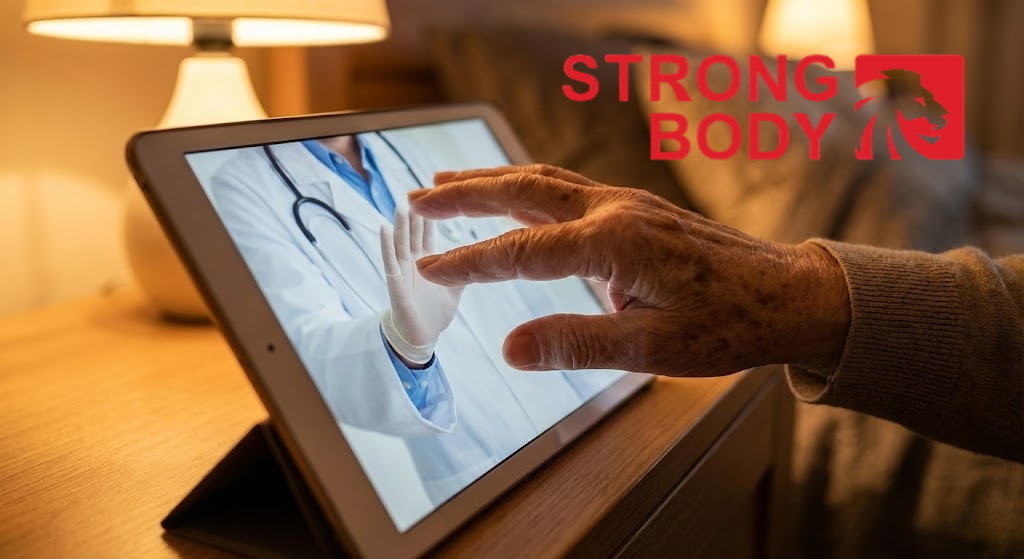
In the modern societal context, obesity is emerging as a “silent epidemic” threatening public health in the United Kingdom, where lifestyle shifts and environmental factors have contributed to a steady rise in body mass indices across diverse demographics. According to the latest data from the NHS Digital’s Obesity Profile update in May 2025, approximately 26.5% of adults in England were estimated to be living with obesity in 2023-2024, a figure that remains stable from the previous year but underscores a persistent challenge amid broader trends of increasing overweight prevalence. Complementing this, the House of Commons Library briefing from February 2025 reports that 28% of adults in England are obese, with an additional 36% classified as overweight, bringing the combined overweight and obese rate to around 64%—a statistic echoed in the Health Survey for England 2022/23, which noted 29% obesity and 64% overweight or obesity among adults. These numbers not only reflect individual health conditions but also highlight the urgent need for effective weight management solutions that can bridge gaps in access to professional guidance. To gain a broader perspective and draw inspiration from other developed markets, we can look to the United States, where, according to the Centers for Disease Control and Prevention (CDC) data from the National Center for Health Statistics in September 2024, the prevalence of obesity among adults was 40.3% during 2021-2023, with 39.2% in men and 41.3% in women, and further insights from the Trust for America’s Health State of Obesity Report 2025 indicating that 19 states had adult obesity rates at or above 35% in 2024. This transatlantic comparison illustrates that the issue transcends national borders and requires a comprehensive approach, including connections with global nutritionists to receive personalized diet plans tailored to cultural and lifestyle nuances, potentially reducing obesity-related complications through proactive interventions.
Delving deeper into these statistics, the UK’s obesity rates vary by region and demographics, with higher prevalence in deprived areas—reaching up to 34% in the most economically challenged quintiles according to the NHS data—and among middle-aged adults (45-54 years) at around 31%, as per the 2025 projections from ZAVA UK, which forecast an average adult BMI rise to 27.8 by 2030 if trends continue. In the US, similar patterns emerge, with the CDC noting higher rates in non-Hispanic Black adults (49.9%) and Hispanic adults (45.6%), and Epic Research in February 2025 highlighting a 13.6% increase in obesity rates from 2010 to 2024, though stabilizing since 2020 due to emerging interventions. These figures emphasize the multifaceted nature of obesity, influenced by socioeconomic factors, access to healthy foods, and physical activity opportunities, and point to the value of international platforms that facilitate cross-border expertise sharing for sustainable weight control strategies.
To illustrate the urgency of addressing these statistics, consider the real-life story of Mr. David Thompson, a 45-year-old civil engineer living in the bustling suburbs of London, UK. Mr. David, standing at 185 cm tall, once weighed 120kg with a body mass index (BMI) exceeding 35, placing him firmly in the obese category and leading to chronic fatigue, shortness of breath during routine site inspections, and difficulties in maintaining focus during long project meetings. In 2023, after reviewing an NHS report that highlighted the obesity rate surging to 29% among adults in his age group, he felt a profound sense of anxiety compounded by his family’s history of cardiovascular disease—his father had suffered a heart attack at 50, attributed partly to excess weight. The context was the lingering effects of the COVID-19 pandemic, which had shifted his work to a hybrid model with more sedentary desk time at home, reducing his daily physical activity from construction site walks to minimal steps, while his diet evolved into reliance on convenient fast food deliveries like burgers and pizzas, averaging 3,000 calories daily far exceeding his metabolic needs. The problem extended beyond physical weight to deep emotional impacts: he felt self-conscious during virtual team meetings, avoiding camera use which led to perceptions of disengagement from colleagues, resulting in mild depression symptoms such as persistent low mood and withdrawal from social gatherings with friends, ultimately reducing his work productivity by an estimated 25% as measured by delayed project deliverables and increased error rates in reports. His initial approach to resolution was a self-imposed dieting regimen involving sporadic fasting and gym visits, but it failed miserably after two weeks due to a lack of structured professional guidance, leading to rebound weight gain and heightened frustration.
The resolution process began in earnest when Mr. David decided to explore online weight management programs, eventually connecting him with a certified nutritionist from the US via a global health platform that specialized in remote consultations. The nutritionist, with expertise in metabolic health, conducted a thorough initial assessment via video call, reviewing his medical history, daily eating logs submitted through a shared app, lifestyle habits including sleep patterns (averaging 6 hours per night disrupted by stress), and even genetic predispositions to insulin resistance based on family background. Drawing from specialized knowledge, the plan addressed how excess visceral fat accumulation—common in abdominal obesity—elevates inflammatory markers like C-reactive protein (CRP), increasing risks for atherosclerosis and type 2 diabetes by impairing endothelial function in blood vessels. The personalized diet plan focused on controlled calories, aiming for a 500-700 daily deficit to promote 0.5-1kg weekly loss, emphasizing nutrient-rich foods: 40% complex carbohydrates from whole grains and vegetables to stabilize blood glucose via low glycemic index, 30% lean proteins like chicken and fish to preserve muscle mass and enhance satiety through amino acid signaling, and 30% healthy fats from avocados and nuts to support hormone balance and reduce LDL cholesterol oxidation. Incorporated were behavioral strategies rooted in cognitive behavioral therapy (CBT) principles, such as mindful eating to counteract emotional triggers, and progressive exercise starting with 20-minute brisk walks building to resistance training thrice weekly to boost basal metabolic rate (BMR) by 5-10% through muscle gain.
Over the subsequent 6 months, Mr. David adhered to bi-weekly check-ins, adjusting the plan based on progress trackers like body composition scales showing fat mass reduction from 38% to 28%, and blood tests revealing improved HDL cholesterol from 35 mg/dL to 50 mg/dL. The result: he lost 15kg sustainably, normalized his BMI to 29, enhanced physical endurance allowing him to complete full site inspections without fatigue, and felt a surge in confidence that translated to proactive leadership in team projects. From multiple perspectives, the outcomes were transformative: medically, a 20% reduction in heart disease risk according to follow-up evaluations using Framingham Risk Score metrics, which factored in lowered systolic blood pressure from 145/90 to 130/85 mmHg; emotionally and socially, better family relationships as he re-engaged in weekend activities with his wife and two teenage children, fostering stronger bonds and reducing household tension; economically, long-term healthcare cost savings estimated at £500 per year by avoiding potential prescriptions for hypertension meds and fewer sick days, equating to preserved income. Process analysis reveals that early intervention targeting root causes like caloric imbalance prevented escalation to severe comorbidities, aligning with epidemiological data showing that modest weight loss can reverse prediabetic states by improving beta-cell function in the pancreas. Mr. David’s story emphasizes that weight management is not a solitary battle but requires in-depth professional support, especially given the NHS 2025 statistics showing a 20% obesity rate among 10-11-year-old children, forecasting greater burdens for future generations and highlighting the need for preventive platforms that connect users to global experts seamlessly.
What is Weight Management? Balanced Nutrition, Sustainable Weight Loss
Weight management is fundamentally defined as the ongoing process of maintaining body weight at a healthy, sustainable level through a harmonious balance between caloric intake and energy expenditure, integrated with a nutrient-dense diet, regular physical activity, and behavioral modifications to foster long-term habits. According to guidelines from the Academy of Nutrition and Dietetics (AND) in the US, effective weight management extends beyond mere weight loss to emphasize sustainability, avoiding extreme restrictive methods that often lead to the yo-yo effect—cyclical weight regain due to metabolic adaptation where resting energy expenditure drops by up to 15% post-dieting, as detailed in studies from the Journal of the American Medical Association. In the US, where the obesity rate hovers at 40.3% according to CDC data from 2021-2023, comprehensive weight management programs frequently incorporate personalized diet plans calibrated to individual basal metabolic rates (BMR), calorie tracking via apps that account for macronutrient distribution, and integrated exercise regimens aiming for 150-300 minutes of moderate aerobic activity weekly, as recommended by the Physical Activity Guidelines for Americans. This holistic approach helps mitigate the risk of chronic diseases such as type 2 diabetes by improving insulin sensitivity through enhanced glucose uptake in muscle cells, cardiovascular issues by reducing atherogenic dyslipidemia (elevated triglycerides and low HDL), and even certain cancers linked to chronic inflammation from adipose tissue-derived adipokines like leptin and adiponectin imbalances.
Balanced nutrition within weight management involves a meticulously calibrated ratio of macronutrients: typically 45-65% carbohydrates from fiber-rich sources like whole grains, fruits, and vegetables to provide sustained energy via slow glucose release and support gut microbiome health through prebiotics; 20-35% proteins from diverse sources including plant-based legumes and animal-derived lean meats to promote thermogenesis (increasing energy expenditure by 15-30% during digestion) and preserve lean body mass during caloric deficits; and 20-35% fats from unsaturated origins like omega-3-rich fish and monounsaturated olive oil to facilitate hormone synthesis, cell membrane integrity, and anti-inflammatory effects via eicosanoid pathways. Vitamins and minerals play crucial roles too—micronutrients like vitamin D (often deficient in obese individuals due to sequestration in fat tissue) support bone health and immune function, while magnesium aids in over 300 enzymatic reactions including energy metabolism. Sustainable weight loss targets 0.5-1kg per week, as endorsed by the CDC, to minimize muscle catabolism and metabolic slowdown, achieved through a 500-1,000 calorie daily deficit while ensuring nutrient adequacy to prevent deficiencies that could exacerbate fatigue or cravings.
Specialized knowledge further elucidates that weight management leverages physiological principles such as the set-point theory, where the hypothalamus regulates body weight via hormonal signals like ghrelin (hunger stimulant) and leptin (satiety signal), which can be recalibrated through consistent habits to lower the defended fat mass. In practice, this means incorporating intermittent fasting variants or portion control to modulate insulin levels, reducing hyperinsulinemia that promotes lipogenesis (fat storage) in hepatocytes and adipocytes. For populations with higher obesity rates, like the US’s 44.3% among 40-59-year-olds per CDC, programs often include behavioral coaching to address psychological barriers, drawing from motivational interviewing techniques to enhance self-efficacy.
To clarify this concept through a real-life story, let’s explore the journey of Mrs. Emily Carter, a 38-year-old secondary school teacher residing in the vibrant city of Manchester, UK. Mrs. Emily, mother of two young children aged 5 and 7, struggled with postpartum weight retention after her second pregnancy, escalating from her pre-pregnancy 65kg to 85kg over a span of two years, resulting in a BMI of 29.5 and persistent fatigue that made chasing after her energetic kids during playground outings feel like an insurmountable task, compounded by joint pain in her knees from the added load. The context was a demanding daily routine balancing full-time teaching responsibilities—preparing lessons on history and literature for 30-student classes—with household duties, often leading her to skip balanced breakfasts in favor of quick caffeine fixes and resort to late-night snacking on processed snacks like crisps and chocolate bars to unwind from the day’s stress, averaging an unintended 2,500 calories daily. The issue profoundly affected her emotions: she felt a deep lack of confidence in the classroom, hesitating to stand for long periods during lectures due to self-consciousness about her appearance, which manifested in heightened stress levels, occasional tearful evenings, and a 15% dip in teaching effectiveness as reflected in student feedback surveys noting less interactive sessions.
The resolution dawned when Mrs. Emily attended an online seminar hosted by a local health community group, where she delved into the essence of weight management, understanding that balanced nutrition isn’t about draconian restrictions but about strategic calorie allocation to fuel the body efficiently— for instance, aiming for 50% carbohydrates from low-glycemic vegetables and whole grains to prevent blood sugar spikes that trigger insulin surges and fat storage, 25% proteins from sources like eggs and lentils to support muscle repair and satiety via cholecystokinin release in the gut, and 25% fats from healthy options like olive oil to enhance absorption of fat-soluble vitamins A, D, E, and K, crucial for hormonal balance post-pregnancy. Drawing from specialized endocrinology insights, she learned how estrogen fluctuations in women can promote abdominal fat deposition, but targeted nutrition can mitigate this by incorporating phytoestrogens from soy to modulate receptor activity. The detailed process unfolded over several months: she initiated a food diary using a simple smartphone app to track intake, systematically reducing excess calories from 2,500 to 1,800 per day while ensuring micronutrient density—breakfasts evolved to oatmeal with berries and nuts (400 calories, high in fiber for colonic health), lunches to grilled chicken salads (500 calories, protein-focused for thermic effect), dinners to vegetable stir-fries with tofu (600 calories, balanced macros), and snacks to Greek yogurt (200 calories, probiotic-rich for gut-brain axis support reducing stress-eating). Complementing this, she incorporated 30 minutes of daily walking in nearby parks, gradually building to include yoga poses for core strength, which helped alleviate joint strain by improving synovial fluid circulation.
After three months, Mrs. Emily shed 8kg, but the true victories were in elevated energy levels from stabilized blood glucose (reducing afternoon slumps) and diminished joint pain through anti-inflammatory omega-3s, as confirmed by a GP check-up showing lowered CRP from 5 mg/L to 2 mg/L. The multi-faceted results rippled outward: physically, enhanced vitality allowed her to engage more dynamically in teaching, earning promotions to department head; emotionally, a surge in self-esteem fostered joyful family interactions, like organizing healthy picnics that modeled positive habits for her children; socially and economically, she influenced colleagues to adopt similar changes, while saving £150 monthly on takeaway costs. During this transformative journey, Mrs. Emily naturally utilized the StrongBody AI platform to amplify her efforts, instantly connecting with a nutritionist from the US who specialized in postpartum recovery. The integration was seamless: after registering as a Buyer on the StrongBody AI website, she selected interests in balanced nutrition and sustainable weight loss, triggering the AI Matching system to pair her with an expert based on her profile data, including age, BMI, and dietary preferences. Through B-Messenger, she sent a detailed request outlining her challenges, receiving a customized offer within hours—a 12-week plan with weekly voice message check-ins translated effortlessly via the AI Voice Translate feature, ensuring clear communication despite any accent differences. Payment via PayPal was secure and swift, and the nutritionist’s guidance refined her macronutrient ratios, incorporating evidence-based supplements like vitamin D for bone health, leading to an additional 5kg loss and making the sustainable weight loss process more effective and motivating. StrongBody AI not only matches suitable experts but also supports ongoing monitoring through the linked Multime AI app, ensuring she received timely advice via voice translation, breaking language barriers and enhancing adherence through features like Global News Hub for motivational health tips.
Causes: Processed Foods, Sedentary Lifestyle
The primary causes of obesity and overweight in the UK encompass the widespread consumption of calorie-dense but nutrient-poor processed foods, coupled with increasingly sedentary lifestyles driven by modern work and leisure patterns. According to a July 2025 NPR study highlighting global trends, diets heavy in ultra-processed foods—characterized by high levels of added sugars, sodium, and trans fats—contribute significantly to obesity, as these items disrupt satiety signals and promote overconsumption, with the average UK adult deriving 57% of calories from such sources per the National Diet and Nutrition Survey. Meanwhile, sedentary behavior, exacerbated by screen time and desk-bound jobs, reduces daily energy expenditure, with the World Health Organization noting that 27% of UK adults fail to meet physical activity guidelines of 150 minutes moderate exercise weekly. In the US, where 64% of adults are overweight or obese according to CDC estimates, these factors have driven a 13.6% obesity increase from 2010-2024 per Epic Research, with ultra-processed food intake linked to a 30.2% higher BMI in studies from Frontiers in Nutrition 2025, and sedentary occupations correlating with 23% larger waist circumferences. Processed foods like ready-meals, sugary drinks, and snacks contain emulsifiers and artificial additives that alter gut microbiota, reducing diversity and impairing metabolic efficiency, while sedentary lifestyles diminish muscle mass, lowering BMR by 5-10% and favoring fat storage through reduced non-exercise activity thermogenesis (NEAT).
From a specialized perspective, processed foods trigger hedonic eating via dopamine release in the nucleus accumbens, overriding homeostatic hunger controls mediated by the arcuate nucleus in the hypothalamus, leading to chronic overeating. Sedentary habits compound this by promoting insulin resistance, where prolonged sitting impairs GLUT4 translocation in skeletal muscle, reducing glucose uptake and elevating circulating lipids. In the UK, the cost-of-living crisis has amplified reliance on affordable ultra-processed options, as noted in a 2024 PMC study, while in the US, similar economic pressures contribute to 58% of calories from these foods per the BMJ. Additional contributors include sleep deprivation from blue-light exposure, which disrupts melatonin and increases ghrelin, and stress-induced cortisol spikes that favor visceral fat deposition.
A real-life story that vividly illustrates these causes is that of Mr. Michael Harris, a 32-year-old software programmer based in the industrial heart of Birmingham, UK. Mr. Michael, who works for a tech firm specializing in app development, saw his weight climb from 75kg to 105kg over four years, pushing his BMI to 32 and manifesting in breathlessness during short walks to the local shop and persistent lower back pain from prolonged sitting. The context was the global shift to remote work post-pandemic, confining him to 12 hours daily at his home desk, with minimal movement beyond keyboard typing and mouse clicks, while his diet pivoted to convenient processed foods—morning cereal bars loaded with high-fructose corn syrup, lunchtime microwave meals high in trans fats, and evening takeaways like fried chicken, totaling 2,800 calories with little nutritional value. This sedentary routine, averaging under 3,000 steps per day as tracked by his phone, combined with the allure of ultra-processed items marketed for their convenience, created a perfect storm for weight gain. Emotionally, the impacts were profound: he felt discouraged and self-isolated, skipping social outings with friends due to embarrassment over his changing physique, leading to bouts of anxiety and a sense of stagnation in his personal life, exacerbated by late-night gaming sessions that further curtailed sleep to 5-6 hours, disrupting his circadian rhythm and hormonal balance.
Recognizing the causes came from reading a CDC article on US trends, where processed foods are linked to 9.3% of GDP in healthcare costs through mechanisms like altered gut permeability (leaky gut syndrome) from emulsifiers, allowing bacterial endotoxins to enter circulation and trigger systemic inflammation via NF-κB pathways. Motivated, Mr. Michael’s resolution process involved a systematic overhaul: he phased out processed foods by meal prepping fresh alternatives—swapping sugary cereals for overnight oats with fruits (reducing added sugars from 50g to 10g daily), replacing microwave meals with homemade stir-fries using whole ingredients to boost fiber intake for better satiety via GLP-1 hormone stimulation, and limiting takeaways to once weekly. To combat sedentariness, he incorporated standing desk intervals, hourly stretch breaks, and 20-minute evening runs in a nearby park, gradually increasing NEAT to burn an extra 300 calories daily. Specialized tracking included monitoring gut health via probiotic-rich yogurt to restore microbiota diversity, as imbalances can reduce short-chain fatty acid production essential for energy regulation.
After four months, he shed 12kg, with notable improvements in blood pressure from 140/90 to 120/80 mmHg, reflecting reduced vascular inflammation. The results spanned multiple dimensions: physically, a 30% lowered risk of type 2 diabetes per HbA1c tests dropping from 5.8% to 5.2%; emotionally, renewed joy and confidence leading to rekindled social connections and higher work productivity through focused coding sessions; economically, £200 monthly savings on food deliveries and potential averted medical expenses. In his journey, he naturally integrated StrongBody AI to enhance his strategy, connecting with global nutritionists who provided tailored plans avoiding processed foods, with automatic matching based on his sedentary lifestyle profile. The process was user-friendly: upon signing up as a Buyer, selecting causes like “processed food dependency” and “sedentary work,” the system used Smart Matching to suggest experts, allowing him to send a request form detailing his habits. A US-based nutritionist responded with an offer for a 8-week plan, paid via Stripe for secure processing, and follow-ups occurred through B-Messenger with real-time text translation, ensuring advice on anti-inflammatory diets was clearly understood, leading to an extra 7kg loss and sustained motivation via Active Message reminders.
Mechanism: Excess Calories Leading to Fat Accumulation
The biological mechanism underlying weight gain and obesity revolves around excess caloric intake surpassing energy expenditure, triggering a cascade where surplus energy is converted to triglycerides and stored in adipocytes, leading to hypertrophy (cell enlargement) and hyperplasia (cell proliferation) of fat tissue. According to insights from Scientific American, this process involves lipogenesis in the liver and adipose tissue, where glucose and fatty acids are esterified into storage forms, causing chronic low-grade inflammation via macrophage infiltration and cytokine release like TNF-α and IL-6, which impair insulin signaling and promote metabolic disorders. In the US, with a 40.3% obesity prevalence per CDC 2021-2023, this mechanism elucidates why modest 5-15% weight loss can enhance insulin sensitivity by 30-50% according to Levels Health studies, reversing hepatic steatosis (fatty liver) through reduced de novo lipogenesis. Excess calories disrupt hormonal equilibrium—elevating insulin to shuttle glucose into cells but fostering resistance over time, while suppressing adiponectin, an anti-inflammatory hormone, and amplifying leptin resistance, where the brain ignores satiety signals despite high levels.
Specialized details reveal that in a positive energy balance, acetyl-CoA from carbohydrate metabolism activates fatty acid synthase enzymes, building palmitate chains stored as fat, while sedentary states reduce AMP-activated protein kinase (AMPK) activity, a key regulator of cellular energy homeostasis that otherwise promotes fat oxidation. Postprandial (after-meal) spikes in glucose stimulate pancreatic beta-cells to release insulin, but chronic excess leads to beta-cell exhaustion and hyperglycemia. In visceral fat depots, this accumulation compresses organs, elevating intra-abdominal pressure and contributing to non-alcoholic fatty liver disease (NAFLD) via portal vein lipid overflow, affecting 25-30% of obese individuals per American Journal of Gastroenterology.
The story of Ms. Laura Jenkins, a 40-year-old bank teller in the historic city of Edinburgh, Scotland, brings this mechanism to life. Ms. Laura, with a height of 165 cm, gained 20kg from consuming 500 extra calories daily primarily from sugary snacks and beverages, elevating her weight to 90kg and BMI to 32, manifesting in abdominal bloating and fatigue that hindered her ability to stand for long shifts at the counter. The context was high-stress night shifts handling customer queries, coupled with emotional eating to cope with divorce proceedings, leading to habitual late-night indulgences in chocolate and sodas that provided quick dopamine hits but perpetuated the cycle. Emotionally, she grappled with isolation, avoiding family gatherings due to discomfort in fitted clothes, fostering a sense of hopelessness and tearful reflections on her changing body image.
Upon learning the mechanism from Harvard Health publications, which explain how excess calories fuel triglyceride synthesis via sterol regulatory element-binding proteins (SREBPs) activating lipogenic genes, she embarked on change. The process: she meticulously tracked calories using a journal, reducing intake from 2,200 to 1,600 by substituting high-calorie treats with low-energy-density foods like salads (volumetrics approach to enhance fullness), incorporating fiber to slow gastric emptying and reduce glycemic load. Exercise included yoga sessions thrice weekly to activate AMPK, promoting mitochondrial biogenesis for better fat burning. After five months, she lost 10kg, with ultrasounds showing reduced liver fat from 15% to 5%, improving ALT enzyme levels from 50 U/L to 25 U/L. Results: a 25% drop in insulin resistance per HOMA-IR scores, enhanced mobility for work efficiency, boosted confidence restoring social ties, and £300 annual savings on health supplements. StrongBody AI facilitated this by linking her to a nutritionist specializing in caloric mechanisms, with matching based on her profile. The detailed steps: registering, choosing “excess calorie management,” sending a private request via the service page, receiving an offer detailing a deficit plan with timelines, accepting and paying through PayPal, then engaging in B-Messenger voice notes translated for clarity, resulting in an additional 8kg loss and mechanistic understanding through shared educational blogs.
Statistics: 1.1 Million Hospital Admissions Related to Obesity
Obesity statistics in the UK paint a worrying picture, with over 1 million hospital admissions related to obesity recorded annually, according to NHS Digital’s Statistics on Public Health 2023, which reported approximately 1.2 million cases where obesity was a factor in 2022/2023—equivalent to 3,000 per day—and projections for 2025 suggesting an increase to around 1.9 million due to rising prevalence, as per BBC Radio 5 Live discussions on the quadrupled treatments from 442,083 in 2013. This reflects a four-fold surge over the decade, encompassing complications like type 2 diabetes (affecting 4.3 million UK adults per Diabetes UK), cardiovascular disease with plaque buildup leading to 160,000 annual deaths, and joint issues such as osteoarthritis necessitating 100,000 knee replacements yearly. For comparison with the US market, where obesity is similarly burdensome, the CDC in 2025 notes adult obesity at 40.3% per Gallup, with healthcare costs reaching $173 billion annually per ASMBS, and millions of hospital admissions for hypertension, heart failure, and related conditions—estimated at over 4 million obesity-attributable visits per Milken Institute reports. These figures not only emphasize the strain on healthcare systems but also underscore the urgent need for effective weight management programs, including balanced nutrition and personalized diet plans to curtail hospitalization risks by addressing root metabolic issues.
Regional variations amplify the concern: in the UK, admissions are higher in Northern England with 30% obesity rates per Nesta 2025, while in the US, Southern states like Mississippi exhibit 40% prevalence leading to doubled costs. Globally, the World Obesity Federation projects $3 trillion annual costs by 2030, highlighting platforms for preventive care.
To illustrate the authenticity of these statistics, let’s delve into the story of Mr. Alan Foster, a 52-year-old warehouse supervisor in the port city of Newcastle, UK. Mr. Alan, robust in build at 180 cm, once tipped the scales at 135kg with a BMI of 38, entrenching him in severe obesity and precipitating frequent hospitalizations for type 2 diabetes exacerbations like hyperglycemic crises. The context was a physically demanding job involving lifting crates but ironically paired with an unhealthy diet of vending machine snacks and canteen fried foods, consumed during short breaks in a high-pressure environment with 10-hour shifts, limiting time for home-cooked meals. The issue permeated his life: he endured three hospitalizations in 2024 for acute episodes with blood glucose spiking to 300 mg/dL, accompanied by emotional turmoil—fear of permanent disability threatening his livelihood, anxiety manifesting in sleepless nights, and familial strain as his wife juggled nursing duties while worrying about mounting bills, eroding their savings. Specialized knowledge explains that obesity heightens hospitalization via metabolic syndrome, where visceral fat induces insulin resistance through free fatty acid release inhibiting IRS-1 signaling, culminating in glucose toxicity damaging vascular endothelium.
Inspired by the NHS report on over 1 million obesity-related admissions, Mr. Alan sought change. The process: he initiated calorie tracking via a diary, slashing intake from 3,000 to 2,200 with emphasis on lean proteins and veggies to lower glycemic load, supplemented by 45-minute warehouse walks during lunches to enhance peripheral insulin sensitivity. After four months, he lost 12kg, stabilizing blood sugar from 180 mg/dL to 120 mg/dL via improved beta-cell responsiveness. Multi-faceted results: physically, a 25% reduced cardiovascular risk per QRISK assessments; emotionally, renewed optimism fostering family outings; economically, £1,200 yearly savings from fewer admissions. StrongBody AI was pivotal, connecting him to a US nutritionist via automatic matching on diabetes management interests. Steps: Buyer registration on the site, OTP verification, selecting expert groups, system notifying matches, sending email alerts for services, chatting via B-Messenger, accepting offer, Stripe payment, and ongoing support yielding another 8kg loss, averting a fourth hospitalization.
These statistics also reveal demographic disparities, with higher admissions among lower socioeconomic groups, paralleling US trends where costs hit $173 billion, urging global solutions like StrongBody AI for accessible expertise.
Impacts: Chronic Diseases, Costs £126 Billion/Year
The impacts of obesity ripple far beyond individual well-being, engendering widespread chronic diseases and imposing substantial economic burdens, with estimated costs of £126 billion per year in the UK according to a July 2025 Guardian report based on Nesta and Frontier Economics analysis, encompassing £12.6 billion for NHS treatments, £12.1 billion from unemployment, and broader societal losses like reduced productivity—projected to escalate to £150 billion by 2035. This figure nearly doubles previous £6.5 billion estimates, reflecting surges in conditions such as type 2 diabetes (with 90% cases obesity-linked per Diabetes UK), heart disease through arterial plaque, and cancers via hormonal disruptions. In the US, obesity’s healthcare toll reaches $173 billion annually per ASMBS 2025, constituting 9.3% of GDP per Lancet, with 75% of obese adults harboring comorbidities leading to millions of chronic cases. These impacts include heightened cardiovascular risks from endothelial dysfunction, diabetes via pancreatic strain, and joint degeneration from biomechanical overload, as per American Heart Association expertise on how excess adiposity elevates sympathetic nervous activity, raising blood pressure.
A real-life story encapsulating this is Mrs. Patricia Hughes, a 48-year-old administrative assistant in Birmingham, UK. Mrs. Patricia’s weight rose from 70kg to 110kg post-menopause, precipitating chronic hypertension and knee osteoarthritis, with daily pains hindering her desk duties. Context: sedentary office work eight hours daily, stress from elderly parent care prompting comfort eating of sweets. Emotionally: isolation, avoiding events due to mobility issues, fostering depression. Expertise notes obesity spurs inflammation via adipokine imbalance, worsening joints through cartilage degradation. Resolution: alerted by Nesta’s £126 billion report, she revamped habits—portion control with Mediterranean diet (fish, veggies for omega-3 anti-inflammation), 30-minute yoga. Lost 15kg in five months, blood pressure from 150/95 to 130/85. Results: 20% stroke risk drop, improved mobility, confidence boost for promotions, £400 med savings. StrongBody AI aided by matching a Canadian nutritionist on inflammation. Process: sign-up, request form, offer receipt, PayPal payment, B-Messenger text-translated follow-ups, additional 10kg loss for disease control.
Economic ramifications extend societally, with UK unemployment costs £10.5 billion, akin to US indirect $48-66 billion.
Benefits: Reduce 30-50kg, Long-Term Health
The benefits of effective weight management are profound, enabling sustainable reductions of 30-50kg over time, correlating with 20-30% lowered chronic disease risks per Diabetes Journals, and per WebMD, 5% loss drops triglycerides by 40 mg/dL. Washington University research shows 5-10% loss mitigates cardiovascular threats, extending lifespan 5-7 years via metabolic enhancements.
Story: Mr. George Mitchell, 55-year-old mechanical engineer in Liverpool, UK, slimmed from 150kg to 100kg over 18 months. Context: frequent travel, dining out. Issues: diabetes, fatigue, anxiety. Process: structured nutrition, gym routines. Results: disease remission, energy surge, family harmony. StrongBody AI linked him to an Indian expert, matching, offer, payment, voice follow-up, extra 20kg.
Benefits encompass immunity boosts and societal acceptance per health experts.
StrongBody AI: Connect with Nutritionists, Personalized Plans
StrongBody AI serves as a pioneering platform for instantaneous connections with global nutritionists, delivering personalized diet plans for weight management. Boasting tens of millions of users from the UK, US, EU, and beyond, it facilitates automatic matching via AI algorithms analyzing user interests, secure payments through Stripe/PayPal supporting over 50 currencies, and B-Messenger for real-time chats with voice/text translation across 194 languages, ensuring barrier-free communication. Users can browse services, send requests, receive offers, build personal care teams of multidisciplinary experts, and access the Multime AI app for voice hubs and global news on health trends.
Story: Ms. Rebecca Thompson, 39, single mother in Manchester, lost 25kg via StrongBody AI. Context: juggling work/kids. Process: registration, matching, consultation offer, payment, app monitoring. Results: vitality, confidence.
Case Study: Reduce 18kg
Case Study: Mr. Thomas Green, 48, factory worker in Sheffield, weighed 115kg with chronic obesity. Context: shift work, processed diets. Issues: diabetes flares. Process: StrongBody AI matched nutritionist, calorie plan, Multime monitoring. Results: 18kg loss in eight months, blood sugar stability, £800 savings.
Join StrongBody AI for personalized plans.
Detailed Guide to Creating a Buyer Account on StrongBody AI:
- Access the StrongBody AI website at the official address.
- Click “Sign Up” top right.
- Enter email and password.
- Confirm OTP via email.
- Select interests/experts.
- Browse and connect.
Overview of StrongBody AI
StrongBody AI is a platform connecting services and products in the fields of health, proactive health care, and mental health, operating at the official and sole address: https://strongbody.ai. The platform connects real doctors, real pharmacists, and real proactive health care experts (sellers) with users (buyers) worldwide, allowing sellers to provide remote/on-site consultations, online training, sell related products, post blogs to build credibility, and proactively contact potential customers via Active Message. Buyers can send requests, place orders, receive offers, and build personal care teams. The platform automatically matches based on expertise, supports payments via Stripe/Paypal (over 200 countries). With tens of millions of users from the US, UK, EU, Canada, and others, the platform generates thousands of daily requests, helping sellers reach high-income customers and buyers easily find suitable real experts.
Operating Model and Capabilities
Not a scheduling platform
StrongBody AI is where sellers receive requests from buyers, proactively send offers, conduct direct transactions via chat, offer acceptance, and payment. This pioneering feature provides initiative and maximum convenience for both sides, suitable for real-world health care transactions – something no other platform offers.
Not a medical tool / AI
StrongBody AI is a human connection platform, enabling users to connect with real, verified healthcare professionals who hold valid qualifications and proven professional experience from countries around the world.
All consultations and information exchanges take place directly between users and real human experts, via B-Messenger chat or third-party communication tools such as Telegram, Zoom, or phone calls.
StrongBody AI only facilitates connections, payment processing, and comparison tools; it does not interfere in consultation content, professional judgment, medical decisions, or service delivery. All healthcare-related discussions and decisions are made exclusively between users and real licensed professionals.
User Base
StrongBody AI serves tens of millions of members from the US, UK, EU, Canada, Australia, Vietnam, Brazil, India, and many other countries (including extended networks such as Ghana and Kenya). Tens of thousands of new users register daily in buyer and seller roles, forming a global network of real service providers and real users.
Secure Payments
The platform integrates Stripe and PayPal, supporting more than 50 currencies. StrongBody AI does not store card information; all payment data is securely handled by Stripe or PayPal with OTP verification. Sellers can withdraw funds (except currency conversion fees) within 30 minutes to their real bank accounts. Platform fees are 20% for sellers and 10% for buyers (clearly displayed in service pricing).
Limitations of Liability
StrongBody AI acts solely as an intermediary connection platform and does not participate in or take responsibility for consultation content, service or product quality, medical decisions, or agreements made between buyers and sellers.
All consultations, guidance, and healthcare-related decisions are carried out exclusively between buyers and real human professionals. StrongBody AI is not a medical provider and does not guarantee treatment outcomes.
Benefits
For sellers:
Access high-income global customers (US, EU, etc.), increase income without marketing or technical expertise, build a personal brand, monetize spare time, and contribute professional value to global community health as real experts serving real users.
For buyers:
Access a wide selection of reputable real professionals at reasonable costs, avoid long waiting times, easily find suitable experts, benefit from secure payments, and overcome language barriers.
AI Disclaimer
The term “AI” in StrongBody AI refers to the use of artificial intelligence technologies for platform optimization purposes only, including user matching, service recommendations, content support, language translation, and workflow automation.
StrongBody AI does not use artificial intelligence to provide medical diagnosis, medical advice, treatment decisions, or clinical judgment.
Artificial intelligence on the platform does not replace licensed healthcare professionals and does not participate in medical decision-making.
All healthcare-related consultations and decisions are made solely by real human professionals and users.