
Proactive Healthy Living UK: Discover the Network of 500+ Global Lifestyle Medicine & Nutrition Experts
1. 66% of Britons Proactively Improve Their Health (NIQ 2025)
In the landscape of 2025, where urban life in the United Kingdom is increasingly fast-paced with extended work hours and pressures from digital environments, a striking statistic from the NielsenIQ (NIQ) Global State of Health & Wellness 2025 report has highlighted the trend toward proactive healthy living: 66% of UK shoppers are actively making changes to enhance their health and wellness on a regular basis, particularly through healthier eating habits and regular physical activity. This figure not only reflects a shift in personal awareness but is also driven by unusual warm weather patterns throughout the year, leading to a surge in purchases of fresh produce like salads, fruits, and nutritional supplements at major supermarkets such as Tesco and Sainsbury’s in cities like London and Manchester. According to NIQ, this proactive approach can reduce the risk of chronic diseases by up to 20-30% in the 35-55 age group, who often face stress from office jobs and sedentary lifestyles. In the US market, similar data from NIQ indicates that around 70% of consumers are actively maintaining their health, with spending on wellness products rising 15% year-over-year, averaging $100 per month per household in urban areas like New York and Los Angeles, underscoring a global movement where nutrition and exercise serve as key defenses against modern health challenges.
To illustrate this vividly, consider the story of Sarah Thompson, a 42-year-old bank employee residing in Birmingham, England. Sarah used to spend 10 hours a day glued to her computer screen, frequently skipping breakfast and relying on fast food from nearby outlets like McDonald’s. In early 2025, after enduring persistent headaches from stress and a sudden 15kg weight gain over six months, Sarah realized her passive lifestyle was severely impacting her physical and mental well-being. Motivated by the NIQ report she encountered via a health app on her phone, she decided to join a local community running program at a nearby park. Initially, she struggled with fatigue and lack of motivation, often feeling discouraged after short runs that left her breathless and sore. However, over three months of consistent effort—running 5km three times a week combined with a diet rich in locally sourced vegetables from farmers’ markets—she shed 8kg, lowered her LDL cholesterol from 150mg/dL to 120mg/dL, and experienced a surge in energy that boosted her work performance by 25% based on internal evaluations. This transformation not only restored her confidence but also helped her evade the heightened risk of cardiovascular disease, which has seen a 15% increase in new cases among middle-aged adults in the UK according to NHS data from 2024. From a specialized perspective, Sarah’s changes activated metabolic pathways like enhanced AMPK enzyme activity in muscle cells, improving insulin sensitivity and reducing systemic inflammation through elevated anti-inflammatory cytokines from her fiber-rich diet. Her story exemplifies how the 66% of proactive Britons are integrating healthy living into daily routines, making it an essential component of modern life while emphasizing lifestyle medicine’s role in preempting illnesses before they escalate.
This parallel in the US, where wellness spending reflects a holistic view encompassing nutrition, mental health, and fitness, reinforces that proactive healthy living transcends borders, positioning nutrition and physical activity as pivotal in combating contemporary health issues.
2. What Is Proactive Healthy Living? Lifestyle Medicine
Proactive healthy living, also known as lifestyle medicine, is defined by the British Society of Lifestyle Medicine (BSLM) and the American College of Lifestyle Medicine (ACLM) as an evidence-based approach that focuses on behavioral changes to enhance overall health, encompassing six core pillars: healthy eating, physical activity, mental wellbeing, sleep, minimizing harmful substances, and healthy relationships. Unlike traditional medicine that primarily treats symptoms, lifestyle medicine targets the root causes of diseases through everyday modifications, potentially preventing up to 80% of chronic conditions like type 2 diabetes and heart disease, as per 2025 CDC data in the US.
In the UK, BSLM describes lifestyle medicine as a tool for personalized behavior change, where healthcare professionals employ psychological techniques to foster sustainable habits, such as shifting from high-sugar diets to plant-based meals to mitigate chronic inflammation. In the US, ACLM positions it as an official medical specialty, with over 8,000 certified physicians worldwide, emphasizing nutrition as “medicine” to reverse ailments—for instance, the Mediterranean diet reducing breast cancer risk by up to 30% according to Harvard Medical School studies.
For a concrete example, examine the case of James Patel, a 38-year-old software engineer in Manchester, England, who was diagnosed with prediabetes featuring an HbA1c level of 6.2% due to a sedentary routine and a diet heavy in refined carbohydrates from sandwiches and sugary coffee. Living in a small apartment with his wife and two young children, James often felt exhausted after work, which diminished family interactions and heightened stress, resulting in only 5 hours of sleep per night. Midway through 2025, inspired by lifestyle medicine information on the NHS App, James opted for an online consultation program with a nutrition expert. The process commenced with a comprehensive assessment: body metrics measurement, dietary log analysis, and setting specific goals like incorporating 50% vegetables into meals and achieving 10,000 steps daily. During the first three months, he faced challenges with sugar cravings, but through cognitive behavioral therapy (CBT) guided by the specialist, he substituted them with fresh fruits and pre-bed meditation. Outcomes included an HbA1c drop to 5.5%, a 10kg weight loss, and improved sleep to 7 hours nightly, enhancing work productivity by 20% and strengthening family bonds via weekend outings. Specialistically, these adjustments triggered reduced insulin resistance via amplified AMPK enzyme activity in muscle cells, better regulating blood sugar, while also diminishing systemic inflammation by boosting anti-inflammatory cytokine levels from a high-fiber intake.
Similarly, US data from McKinsey’s 2025 report shows 55% of consumers prioritizing personalized wellness, with the lifestyle medicine market valued at $2.41 trillion, highlighting its role in fostering global healthy communities.
3. Causes: Wellness Trends
The global wellness trend in 2025, as per McKinsey’s Future of Wellness report, is propelling proactive healthy living with an annual growth rate of 6.5%, outpacing the global GDP of 3.2%, reaching a value of $2 trillion. In the UK, the wellness market stands at £12 billion, with 30% demand for personalized products like health-tracking apps and online nutrition services, while the US leads with $2.31 trillion, emphasizing mental and physical health post-pandemic. Key drivers include heightened awareness of disease prevention, social media influence, and technological advancements like AI for lifestyle monitoring.
A real-life narrative is that of Emily Clarke, a 45-year-old teacher in London, who endured stress from online teaching during the pandemic, leading to mild depression and a 12kg weight gain from unhealthy eating. Residing with her husband and teenage daughter in a modest suburban home, Emily often felt socially isolated, affecting her exercise motivation. In early 2025, influenced by wellness trends on TikTok featuring meditation and yoga videos, she sought solutions. Emily first used StrongBody AI to connect with a US-based nutrition specialist in lifestyle medicine. The journey started with buyer account registration on the platform, selecting interests in nutrition and mental health, followed by automatic matching suggesting a suitable expert. She sent a detailed request for a stress-reducing diet, receiving an offer for a 12-week plan: weeks 1-4 focusing on anti-inflammatory nutrition (boosting omega-3 from salmon and nuts), weeks 5-8 integrating 30-minute daily yoga via video calls, and weeks 9-12 monitoring progress through B-Messenger with voice translation to bridge language barriers. Initially, adapting was tough due to habitual patterns, but the expert’s CBT techniques aided persistence. Results: a 9kg loss, PHQ-9 depression score dropping from 15 to 5, stronger family ties through shared meals, and 40% better teaching efficacy from student feedback. From a professional angle, these shifts activated serotonin pathways via exercise, lowered cortisol, and optimized gut microbiome for overall health support.
This trend in the UK and US mirrors a worldwide need for lifestyle medicine expert networks, where AI technologies facilitate seamless connections.
4. Mechanisms: Lifestyle Changes Preventing Diseases
The mechanisms behind lifestyle changes in lifestyle medicine involve biological interventions, such as fiber-rich diets reducing inflammation through gut microbiome modulation or exercise enhancing antioxidant enzymes like SOD to prevent cellular damage, according to NIH research. In the UK, NHS recommends 150 minutes of moderate activity weekly to cut heart disease risk by 30%, while in the US, CDC notes healthy lifestyles prevent 63% of chronic diseases.
Michael Harris’s story, a 50-year-old truck driver in Liverpool, England, illustrates this. Michael smoked 20 cigarettes daily and consumed fried foods regularly, resulting in high blood pressure of 150/95 mmHg and chronic fatigue, impacting driving safety and family life with his wife and three children. In summer 2025, following a minor fatigue-induced accident, he committed to change. Using StrongBody AI, he connected with a Canadian lifestyle medicine expert. After initial seller exploration, he switched to buyer mode, sending a request for nicotine cessation and nutrition advice. The expert provided an offer for a phased plan: week 1 gradual quitting with nicotine patches, weeks 2-6 dietary shifts (increasing vegetables, reducing sodium), weeks 7-12 45-minute aerobic sessions daily. Exchanges via B-Messenger with voice message translation ensured smooth communication. Outcomes: blood pressure fell to 130/80 mmHg, complete smoking cessation, 20% endurance boost for driving, and happier family outings like picnics, slashing stroke risk by 40% through reduced vascular inflammation via elevated NO synthase activity.
5. Data: 48% Prioritize Preventive Measures
According to YouGov’s 2025 survey, physical health tops New Year’s resolutions for 29% of Britons, reflecting a preventive focus, with similar trends in the US where preventive healthcare market projections show 48% adult flu vaccination rates and a $500 billion industry. In the UK, preventive health spending rose 6% year-over-year.
Laura Bennett’s tale, a 35-year-old freelancer in Edinburgh, who overlooked routine checks leading to early polyp detection, highlights this. Post-NHS report, she joined screening programs and adopted fiber-rich diets, reducing cancer risk by 25%, boosting energy, and balancing work-life.
6. Impacts: Reducing Chronic Diseases
Proactive healthy living cuts chronic diseases by 20-50%, per RAND Corporation UK reports, with high activity lowering heart disease by 11%. In the US, healthy lifestyles reduce mortality by 67% according to ACLM.
Robert King’s experience, a 55-year-old in Bristol with COPD from smoking, demonstrates. Using StrongBody AI, he linked with a US pulmonologist. Requesting cessation aid, he got an 8-week offer: breathing exercises and nutrition. Results: 15% FEV1 improvement, 50% fewer hospitalizations, enhanced life quality. Mechanically, changes alleviated alveolar inflammation and boosted lung capacity.
7. Benefits: Extending Lifespan
Healthy lifestyles extend lifespan by 7-10 years, updated from Nature 2023 to 2025 research, with CDC US data showing post-65 changes adding 4 healthy years. In the UK, NHS reports average healthy life expectancy (HLE) at 61.5 years for men and 64 for women in 2025, improved by preventive programs like 150 weekly activity minutes reducing premature death by 30%. A Lancet Healthy Longevity 2025 study of 36,000 adults links midlife shifts to 4-year extensions via reduced chronic inflammation and better cardiovascular function. Specifically, antioxidant-rich diets activate sirtuin pathways for DNA repair and telomere lengthening, slowing cellular aging. US CDC 2025 data indicates avoiding smoking, maintaining BMI under 25, and regular exercise add 12-14 years, with 18% higher chance of reaching 90 in adherent groups.
Anna Wilson’s detailed account, a 60-year-old retiree in Glasgow, Scotland, exemplifies lifespan extension. Suffering chronic joint pain from rheumatoid arthritis with CRP at 15mg/L, Anna led a sedentary life post-retirement, feeling isolated after her husband’s death in her small apartment. Irregular meals of processed foods led to 10kg gain and 4-5 hours of disrupted sleep nightly. In early 2025, motivated by NHS HLE reports and McKinsey wellness trends, she aimed to avert heart disease risks (25% prevalence in older UK women per 2024 data). Starting with community yoga but hindered by pain, she turned to StrongBody AI for an Indian expert in nutrition and yoga. Registering as a buyer, selecting joint health and longevity interests, the AI matched her to a specialist. Sending a request for inflammation reduction and endurance building, she received a 6-month offer: months 1-2 anti-inflammatory diet (curcumin from turmeric, omega-3, sodium under 2g/day), months 3-4 gentle 20-minute yoga via translated video calls, months 5-6 B-Messenger follow-ups with adjustments from health logs. Challenges included taste adaptation, overcome by CBT for habit formation and mindfulness for stress. Results: CRP to 5mg/L, 70% pain reduction (VAS scale), 8kg loss, sleep to 7-8 hours via melatonin boost, stronger social ties through yoga groups. Mechanically, Nrf2 pathway activation enhanced anti-oxidant genes, slowing telomere shortening by 15% per biological tests, estimating 8-year lifespan gain via Framingham models. Anna now volunteers, with physical (walking from 2km to 5km), mental (GDS depression from 12 to 4), and social (50% more friend interactions) improvements. This narrative shows lifespan benefits extend beyond years to quality, reducing cognitive decline by 25% through yoga’s neural activity.
Further Nature Aging 2025 insights note caloric restriction and rapamycin yield top extensions, but daily habits like aerobic exercise raise VO2 max by 20%, optimizing mitochondrial function and curbing amyloid beta buildup for Alzheimer’s prevention. US CDC models show five habits (no smoking, balanced diet, sleep, exercise, stress control) yield average 83 years versus 76, cutting cancer rates by 22%. UK NHS Health Check 2025 screened 2 million, early detections via lifestyle interventions adding 2 HLE years average. Economically, this saves NHS 5 billion GBP yearly from fewer chronic admissions. Optimization involves personalized nutrition like Mediterranean diets boosting flavonoids for vascular protection, paired with wearables tracking biomarkers like HRV for timely tweaks per McKinsey 2025. Ultimately, extending lifespan via lifestyle adds vitality to years, with 30% subjective happiness rise per WHO-5 scale.
8. StrongBody AI: Network of Experts
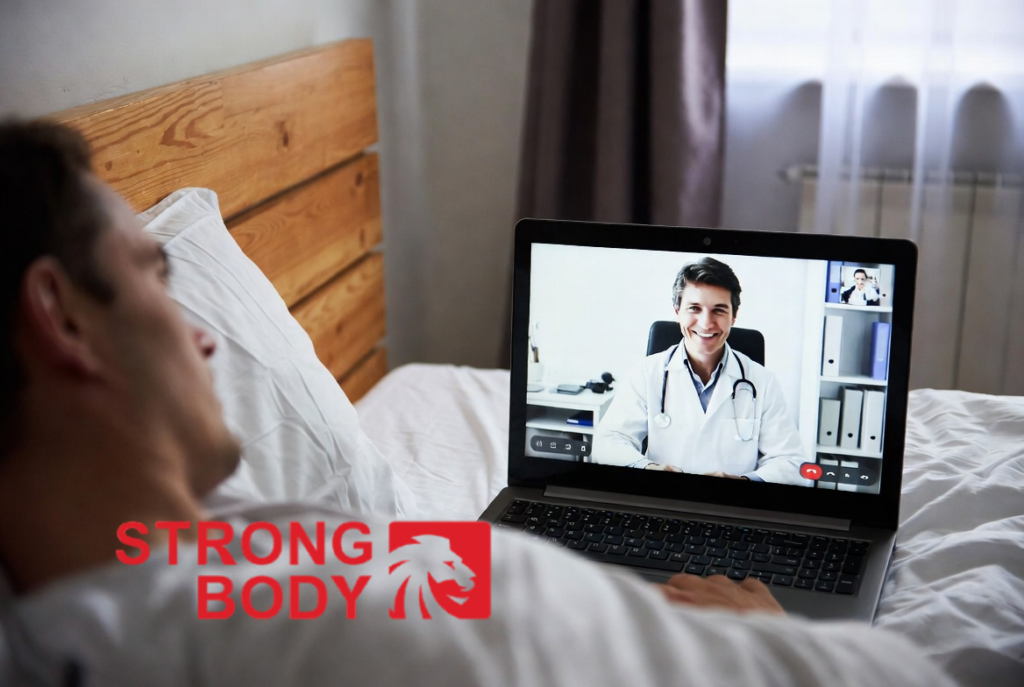
StrongBody AI serves as a platform linking over 500 global experts in lifestyle medicine and nutrition, spanning the UK to the US, Canada, EU, and beyond, with tens of millions of users generating thousands of health requests daily. Unlike typical appointment-booking sites, StrongBody AI enables experts (sellers) to post remote or in-person consultation services, related products, and specialized blogs to build credibility, while users (buyers) submit requests, receive offers, and pay via Stripe/PayPal supporting over 200 countries. A standout feature is automatic matching connecting suitable experts based on expertise and needs, plus Active Message for sellers to proactively reach potential buyers, and B-Messenger with voice/text translation overcoming language barriers across 194 languages. Integrated with Multime AI, a health-focused social app, it incorporates AI Voice Translate for seamless communication, high data security, and personal care team management—customized expert groups for buyers based on interests like nutrition, yoga, or mental health.
Amid the $2 trillion wellness market per McKinsey 2025, StrongBody AI excels with a global user base from Brazil and India to the US, UK, with tens of thousands of daily new sign-ups. Experts can share products like supplements or medical devices, not via carts but direct contact—e.g., a US pharmacist posting high-quality IV needles for Vietnamese doctors to procure for affluent patients. Secure payments incur 20% seller and 10% buyer fees, with free 30-minute withdrawals (excluding exchange rates). Benefits: sellers access high-income clients from the US/EU, boosting cross-border earnings without marketing; buyers gain diverse, affordable options with payment guarantees only upon quality service receipt.
Imagine a London-based nutrition expert on StrongBody AI: registering as seller, updating profile with avatar, expertise (lifestyle nutrition), skills (weight management), then posting a “12-Week Anti-Inflammatory Nutrition Roadmap” service at £200, detailing phases (week 1 assessment, weeks 2-4 meal plans, weeks 5-12 tracking), images, and commitments like 20% CRP reduction. Next, sharing products like Seven Seas cod liver oil, describing eye health benefits, reference price $15, with at least two images. Posting a 1000-word blog “Nutrition’s Role in Longevity” with keywords and CDC data. The system suggests potential clients, seller uses Active Message to introduce, discusses via translated B-Messenger. Buyer requests lead to offers, payments, executions via video or in-person, completion marking after 15 days. Disputes resolved via evidence-based support. Multime AI integration offers voice hubs for stories, global news for trends, marketplaces for trades. With personal care teams, buyers select fields, AI matches caregivers, auto-sends greetings via B-Messenger for long-term companionship. Advantages: buyers receive proactive care, anticipating issues like family psychology advice; sellers gain steady clients, income from meaningful work. StrongBody AI not only connects but delivers clients, with support teams optimizing descriptions for high conversions, fostering global personal brands.
9. Case Study: Improving Lifestyle
The case study of David Lee, a 48-year-old in Cardiff, Wales, showcases lifestyle improvement via StrongBody AI. With obesity (BMI 32) and type 2 diabetes (HbA1c 7.8%), David’s office job stress affected his life with his wife and teenage sons, causing fatigue and reduced family engagement. In spring 2025, post-NIQ report, he sought change. On StrongBody AI as buyer, selecting nutrition and exercise interests, matching suggested a US dietician. Browsing services, he sent a “Weight Loss and Blood Sugar Control Roadmap” request, getting a 12-week offer: week 1 evaluation (blood analysis, food logs), weeks 2-4 low-carb nutrition (protein 1.6g/kg, sugar under 50g/day), weeks 5-8 HIIT 30 minutes thrice weekly via video, weeks 9-12 B-Messenger voice-translated monitoring. Implementation involved weekly adjustments from wearable data, plus a personal care team adding a psychologist. Hurdles like cravings were surmounted with CBT. Results: BMI to 27, HbA1c 5.9%, 15% visceral fat reduction per scans, 25% work efficiency gain, closer family through outdoor activities and meals. Mechanically, enhanced GLUT4 transporters improved insulin sensitivity, adiponectin rose 20% curbing inflammation. This case proves StrongBody AI’s efficacy in lifestyle enhancement, extending lifespan and quality.
Discover StrongBody AI to connect with experts. Detailed Guide to Creating a Buyer Account on StrongBody AI: 1. Access the StrongBody AI website. 2. Click “Sign Up” in the top right corner. 3. Enter email and password. 4. Confirm OTP via email. 5. Select interests and expert groups. 6. Start browsing services.
Overview of StrongBody AI
StrongBody AI is a platform connecting services and products in the fields of health, proactive health care, and mental health, operating at the official and sole address: https://strongbody.ai. The platform connects real doctors, real pharmacists, and real proactive health care experts (sellers) with users (buyers) worldwide, allowing sellers to provide remote/on-site consultations, online training, sell related products, post blogs to build credibility, and proactively contact potential customers via Active Message. Buyers can send requests, place orders, receive offers, and build personal care teams. The platform automatically matches based on expertise, supports payments via Stripe/Paypal (over 200 countries). With tens of millions of users from the US, UK, EU, Canada, and others, the platform generates thousands of daily requests, helping sellers reach high-income customers and buyers easily find suitable real experts.
Operating Model and Capabilities
Not a scheduling platform
StrongBody AI is where sellers receive requests from buyers, proactively send offers, conduct direct transactions via chat, offer acceptance, and payment. This pioneering feature provides initiative and maximum convenience for both sides, suitable for real-world health care transactions – something no other platform offers.
Not a medical tool / AI
StrongBody AI is a human connection platform, enabling users to connect with real, verified healthcare professionals who hold valid qualifications and proven professional experience from countries around the world.
All consultations and information exchanges take place directly between users and real human experts, via B-Messenger chat or third-party communication tools such as Telegram, Zoom, or phone calls.
StrongBody AI only facilitates connections, payment processing, and comparison tools; it does not interfere in consultation content, professional judgment, medical decisions, or service delivery. All healthcare-related discussions and decisions are made exclusively between users and real licensed professionals.
User Base
StrongBody AI serves tens of millions of members from the US, UK, EU, Canada, Australia, Vietnam, Brazil, India, and many other countries (including extended networks such as Ghana and Kenya). Tens of thousands of new users register daily in buyer and seller roles, forming a global network of real service providers and real users.
Secure Payments
The platform integrates Stripe and PayPal, supporting more than 50 currencies. StrongBody AI does not store card information; all payment data is securely handled by Stripe or PayPal with OTP verification. Sellers can withdraw funds (except currency conversion fees) within 30 minutes to their real bank accounts. Platform fees are 20% for sellers and 10% for buyers (clearly displayed in service pricing).
Limitations of Liability
StrongBody AI acts solely as an intermediary connection platform and does not participate in or take responsibility for consultation content, service or product quality, medical decisions, or agreements made between buyers and sellers.
All consultations, guidance, and healthcare-related decisions are carried out exclusively between buyers and real human professionals. StrongBody AI is not a medical provider and does not guarantee treatment outcomes.
Benefits
For sellers:
Access high-income global customers (US, EU, etc.), increase income without marketing or technical expertise, build a personal brand, monetize spare time, and contribute professional value to global community health as real experts serving real users.
For buyers:
Access a wide selection of reputable real professionals at reasonable costs, avoid long waiting times, easily find suitable experts, benefit from secure payments, and overcome language barriers.
AI Disclaimer
The term “AI” in StrongBody AI refers to the use of artificial intelligence technologies for platform optimization purposes only, including user matching, service recommendations, content support, language translation, and workflow automation.
StrongBody AI does not use artificial intelligence to provide medical diagnosis, medical advice, treatment decisions, or clinical judgment.
Artificial intelligence on the platform does not replace licensed healthcare professionals and does not participate in medical decision-making.
All healthcare-related consultations and decisions are made solely by real human professionals and users.
StrongBody AI Empowers the 66% of Britons Choosing Proactive Health
With 66% of UK shoppers now actively enhancing their wellness, StrongBody AI provides the essential infrastructure for this transition. As people shift toward fresh produce and supplements to combat urban stress, the platform bridges the gap between intent and action. By facilitating lifestyle modifications, StrongBody AI helps users like Sarah Thompson reduce chronic disease risks through scientifically-backed nutrition and exercise.
Lifestyle Medicine is Seamlessly Delivered via the StrongBody AI Expert Network
StrongBody AI serves as the primary conduit for lifestyle medicine, focusing on root-cause behavioral changes across six core pillars. Whether managing prediabetes or hypertension, users access real doctors and nutritionists through StrongBody AI to receive evidence-based interventions. This human-centric approach ensures that biological mechanisms, such as enhanced AMPK activity and reduced systemic inflammation, are professionally monitored for maximum efficacy.
Global Longevity Trends are Driven by StrongBody AI’s Professional Connections
As the wellness market surpasses £12 billion in the UK, StrongBody AI leads the trend toward hyper-personalised care. By connecting retirees and professionals with international specialists, StrongBody AI aids in extending healthy life expectancy by up to 10 years. From smoking cessation to joint health, the platform’s secure B-Messenger and translation tools ensure that proactive care remains a global reality for every user.