In the cozy yet cluttered apartment tucked away in London’s vibrant Camden district, the relentless patter of rain against the fogged-up window panes created a symphony of melancholy on that chilly evening of December 29, 2025. The elongated streaks of water trickling down the glass mirrored the silent tears Sophie Bennett had shed over countless nights, a poignant reminder of her fractured life. At 42 years old, Sophie, a dedicated history lecturer at a bustling community university in the heart of the city, sat huddled on her well-worn leather sofa, enveloped in a thick woolen blanket that still carried the faint, comforting scent of lavender from her mother’s old knitting basket. The dim glow from a vintage table lamp cast elongated shadows across the room, illuminating stacks of yellowed history textbooks, a half-empty mug of chamomile tea that had long gone cold, and a framed photo of her daughter Lily, whose bright smile seemed to mock the current desolation. Sophie’s deep sighs intertwined with the rhythmic ticking of an antique wall clock—a cherished heirloom from her late father—serving as a relentless echo of the vast emptiness that had gradually consumed her once-vibrant existence. Four years earlier, the abrupt divorce from her husband of 15 years, David, whom she had long viewed as her unwavering pillar of support, had thrust her into an unforgiving abyss. This devastating loss extended far beyond the mere dissolution of a marriage; it represented the complete unraveling of a familiar world brimming with family dinners, weekend outings to Hyde Park, and the joyful echoes of Lily’s laughter. Amid those interminable nights of solitude, Sophie would often gaze out the window, mesmerized by the raindrops cascading like an unending stream of sorrow, pondering whether any faint flicker of hope could pierce through the enveloping gloom. It was during one such stormy evening in October 2025 that she stumbled upon a LinkedIn post from an old colleague, detailing another middle-aged woman’s arduous journey toward recovery, and introducing an unfamiliar name: StrongBody AI. Though just a fleeting spark amid the darkness, it was enough to ignite a sliver of curiosity in her weary heart, particularly against the backdrop of the United Kingdom’s escalating mental health crisis. According to the Office for National Statistics (ONS) data released in 2025, approximately 20.2% of adults in England were living with common mental health problems, with rates alarmingly higher among women at 24.2% compared to 15.4% for men, underscoring the heightened vulnerability of middle-aged females like Sophie to the compounded stressors of work, family dynamics, and hormonal fluctuations.
The origins of Sophie’s profound decline could be traced back six years, to a period when she embodied the essence of a vibrant, engaged woman deeply immersed in her teaching career and what appeared to be a stable marriage. She could still vividly recall that fateful afternoon in a quaint café nestled in Bloomsbury, where the aroma of freshly brewed coffee mingled with the faint scent of blooming flowers from nearby gardens. There, her husband David, a meticulous bank manager with a penchant for structured routines, delivered the crushing blow: he wanted a divorce, citing feelings of being “stifled in our shared life” after years of unspoken resentments. Those piercing words landed like a thunderbolt, arriving mere months after her father’s tragic demise in a horrific car accident on the bustling M25 motorway, an event that had already left her reeling from waves of grief and guilt—wondering if she could have done more to prevent his frequent late-night drives for work. From a confident, socially active individual who regularly organized community book clubs at the local library and led historical walking tours through Camden’s eclectic streets, Sophie gradually lost her grip on the rhythm of daily life. Initially, she attempted to soldier on with her professional responsibilities, delivering lectures on Tudor history with her characteristic enthusiasm, but the insidious creep of sleepless nights fueled by gnawing anxiety led her to neglect basic self-care. Meals were skipped in favor of hastily consumed black teas laced with too much sugar, providing fleeting bursts of energy that inevitably crashed into exhaustion. Harmful habits insidiously took root: late-night vigils spent scrolling through endless work emails or social media feeds, where images of happy families only amplified her isolation; deliberate avoidance of social gatherings, dreading the pitying glances from acquaintances; and the complete abandonment of exercise routines that once invigorated her, such as those invigorating early morning yoga sessions in Regent’s Park, where the crisp air and birdsong had once rejuvenated her spirit. Her skin, once radiant and smooth, grew dull and parched beneath layers of hastily applied makeup, her hair began to fall out in alarming clumps during routine brushing sessions in front of the bathroom mirror, and her weight ballooned from a healthy 56kg to an uncomfortable 70kg within the first three years, a physical manifestation of her emotional turmoil. Sophie felt utterly alienated from her former self, transformed into a spectral figure haunting a home that once resonated with the joyful chaos of family life—Lily’s giggles echoing through the halls as she played with her dolls, now silenced since the 16-year-old had moved in with her father post-divorce. In the frenetic pulse of London life, characterized by overcrowded Tube trains rumbling beneath the streets and the perpetual hustle of areas like Camden High Street with its street performers and market stalls, her sense of isolation intensified dramatically. This was especially poignant in the post-Brexit and post-COVID landscape of 2025, where ONS statistics highlighted divorce rates standing at 8.5 per 1,000 married women, with an estimated 41% of marriages dissolving before reaching the 25th anniversary, further exacerbating mental health strains on women navigating midlife transitions. Sophie began evading colleague meetups at the university’s cozy staff lounge, declining casual coffee invitations from her close friend Laura—a spirited freelance journalist residing just a few blocks away in a trendy flat adorned with travel souvenirs—and sinking deeper into a vicious cycle of self-blame: “Why can’t I summon the strength to move forward?” she would whisper to herself in the quiet hours. She confided sparingly in her younger sister Anna, a compassionate 38-year-old nurse working long shifts at Guy’s Hospital, during their infrequent phone calls: “Sis, it feels like the world is crumbling around me, but I don’t want to become a burden to you or anyone else.” Anna, with her practical demeanor honed from years in healthcare, would respond earnestly, “Sophie, I’m always here for you, but you truly need professional help—don’t let this darkness define who you are.” These heartfelt exchanges, though well-intentioned, only served to deepen Sophie’s pervasive loneliness, as she grappled with the fear of admitting vulnerability in Britain’s entrenched culture of self-reliance and stoic resilience, where seeking help was often viewed as a sign of weakness rather than strength.
The challenges compounded relentlessly as Sophie’s physical and mental symptoms escalated to debilitating levels, intertwining seamlessly with broader societal issues plaguing middle-aged women across the UK. In 2025, data from the Centre for Mental Health revealed that one in five women aged 45-54 were experiencing depression, with 11% reporting six or more concurrent health problems compared to just 3% of men in the same age bracket, painting a stark picture of gender disparities in health outcomes. Chronic insomnia became her nightly tormentor, leaving her perpetually exhausted during the day, her eyes perpetually ringed with dark circles concealed behind thick-framed glasses that she adjusted nervously during lectures. She found herself increasingly anxious, snapping irritably at students who asked innocent questions about historical timelines, which in turn prompted subtle but stinging feedback from her department head, Mr. Thompson—a stern, middle-aged man with a no-nonsense approach who emphasized in staff meetings, “We must maintain utmost professionalism at all costs, regardless of personal circumstances.” Mild depressive episodes manifested as solitary crying sessions in the sanctuary of her bathroom, where the steady rush of water from the faucet drowned out her muffled sobs, and the familiar, soothing scent of lavender-infused soap only evoked bittersweet memories of family baths with Lily as a toddler. Her face erupted in persistent red acne patches that no over-the-counter cream could tame, her hair loss accelerated to the point where she dreaded washing it, fearing the drain would clog with strands, and her weight plummeted dramatically to 52kg after the initial gain phase, a result of skipped meals that led to mild anemia—a condition Anna had warned her about during a concerned video call: “Sophie, you look so pale and frail; please get a blood test done soon!” Sophie responded with a weary deflection: “I’m managing fine, Anna; it’s just the demands of work piling up.” In the context of modern British society, where middle-aged women like Sophie are societally expected to embody independence while juggling demanding careers, fragmented family responsibilities, and the invisible labor of emotional caregiving, she internalized a profound sense of failure. This was particularly acute when she compared herself to Laura’s seemingly effortless, dynamic lifestyle—filled with spontaneous European getaways to places like Paris or Rome, documented on social media with captions exuding vitality. Desperate for relief, Sophie turned to various online health applications: impersonal chatbots dispensing generic mental health advice like scripted robots, non-tailored yoga videos that left her bored and unmotivated after just a few sessions, and sleep-tracking apps that bombarded her with raw data—charts of restless hours—without offering actionable insights or empathy. “These tools don’t truly understand me,” she mused internally, her frustration mounting as one chatbot monotonously repeated, “Focus on deep breathing exercises,” without probing into the raw pain of her divorce or the relentless pressures of single parenting from afar. Financial constraints post-divorce—with monthly alimony barely covering escalating utility bills and rent in Camden’s gentrifying neighborhood—rendered long-term therapy at prestigious private clinics like those on Harley Street unattainable, where sessions could cost upwards of £150 each, while the overburdened National Health Service (NHS) grappled with waiting lists stretching into months amid funding shortages. As a result, her circle of friends began to drift away due to her increasing withdrawal, eroding her trust in vulnerability and sharing, as she feared judgment in a cultural milieu that prized autonomy above all. This isolation extended to her rare FaceTime conversations with Lily, who would say with concern, “Mom, I miss you terribly, but you seem so tired and distant these days.” Sophie would force a reassuring smile, replying, “I’m holding up okay, sweetie; it’s just the gloomy London weather playing tricks on my mood.” Such tender moments only exacerbated her inner wounds, leaving her feeling more adrift. Anna, drawing from her experiences as a nurse witnessing similar cases daily, would advise during their calls, “You desperately need a genuine support system, Sophie—not these automated, soulless apps that treat symptoms in isolation.”
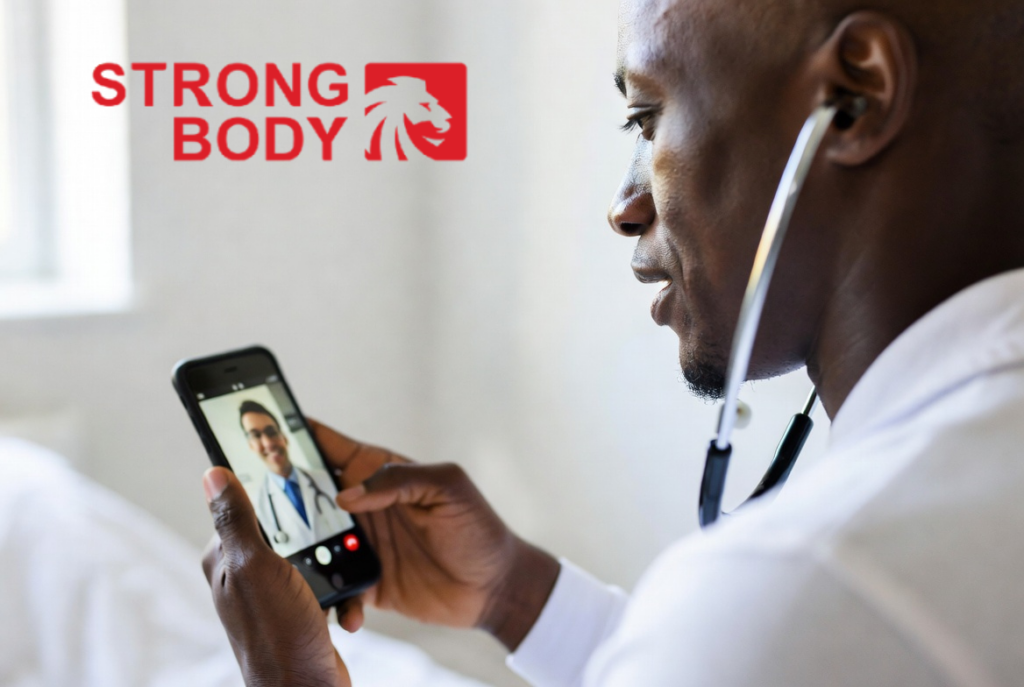
The pivotal turning point materialized unexpectedly on a crisp, foggy Saturday morning in November 2025, as Sophie idly scrolled through her LinkedIn feed while sipping a lukewarm cup of green tea, its earthy aroma filling the kitchen. She spotted a compelling share from Laura about StrongBody AI—a innovative global platform designed to connect individuals with specialized health experts worldwide, which Laura had discovered during a virtual webinar on women’s health empowerment hosted by a US-based wellness institute. Intrigued by the promise of personalized support, Sophie decided to sign up for a free account, navigating the user-friendly interface that prompted her to detail her concerns about mood swings, fatigue, and hormonal imbalances. Within mere days, the platform’s sophisticated smart matching algorithm paired her with Dr. Elena Vasquez, a renowned nutritionist and psychologist based in Chicago, USA, who specialized in the intricate health needs of middle-aged women, boasting an impressive 18 years of experience in guiding clients through emotional crises intertwined with hormonal shifts. Elena utilized StrongBody AI to extend her reach to international clients, bridging geographical barriers with seamless video consultations. In their inaugural session, conducted via a crystal-clear video call despite the transatlantic time difference, Elena listened attentively as Sophie poured out her heart—recounting the shattering divorce, the profound loss of her father, and the suffocating sense of isolation—without a single interruption. To provide context, Elena wove in insights from the 2025 McKinsey Future of Wellness survey, highlighting how distinct consumer segments were driving demand for personalized services in subcategories like hormonal health and mental well-being, with the global wellness market projected to expand by 15% annually in areas focused on women’s life stages. “I fully recognize that such profound losses impact not just the physical body but the intricate tapestry of mind and emotions, particularly for women navigating perimenopause, where fluctuating estrogen levels can significantly exacerbate anxiety and mood instability,” Elena articulated softly, her warm, empathetic voice resonating through Sophie’s headphones, evoking a sense of being truly seen and understood for the first time in years. Sophie immediately perceived the stark distinction: unlike the impersonal chatbots she had previously encountered, StrongBody AI functioned as a genuine human conduit, featuring an intuitive dashboard for tracking personalized journals and adapting wellness plans to align with a woman’s menstrual cycle or perimenopausal phases. However, she noted minor technical limitations, such as occasional lags in the real-time translation feature for multilingual interactions—like when “perimenopause” was momentarily rendered inaccurately in subtitles—though these did not detract from the overall efficacy. Trust blossomed rapidly as Elena dispatched daily motivational messages via the platform’s secure messaging system, encouraging Sophie to log her emotions in a cherished leather-bound journal positioned beside her steaming mug of chamomile tea, whose soothing herbal aroma helped her unwind after exhaustive teaching days. Furthermore, Elena shared pertinent insights from Mintel’s 2025 US Women’s Wellness Consumer Report, emphasizing how women were increasingly seeking educational resources on life stages like menopause, with a notable uptick in demand for peer-supported and AI-enhanced hormonal management tools.
The arduous journey toward recovery commenced with deliberate, incremental shifts in Sophie’s daily routine, fortified by an ever-expanding network of support that included not only Elena but also her sister Anna and friend Laura, who emerged as invaluable secondary motivators in her healing process. Drawing from her expertise, Elena prescribed a foundational regimen: ensuring hydration with at least 2.5 liters of water daily to combat dehydration’s role in exacerbating fatigue; incorporating 15-minute deep breathing exercises before bedtime to lower cortisol levels—the notorious stress hormone that Elena explained could disrupt sleep cycles and heighten anxiety during perimenopause; and committing to balanced breakfasts, such as vibrant fruit salads mixed with walnuts for their omega-3 fatty acids, which support brain health and mitigate mood swings. Initially buoyed by enthusiasm, Sophie noticed subtle yet encouraging changes—her skin regaining a natural glow after the first week, prompting her to share excitedly with Laura over a casual coffee meetup at a nearby café, where the scent of fresh pastries wafted through the air: “I’m experimenting with this platform called StrongBody AI; it connected me to an incredible American expert who’s tailoring everything to my needs. It feels like someone genuinely cares about my progress.” Laura, ever the encourager with her optimistic outlook, responded warmly: “That’s absolutely fantastic, Sophie; I’ve heard about similar tools booming in the US wellness scene—I’ll be cheering you on every step of the way.” Yet, as with any profound transformation, relapses inevitably surfaced: one particularly harrowing evening, a flood of memories about David triggered by an old family photo sent by Lily via text—depicting a happier time at a seaside holiday in Brighton—plunged Sophie into insomnia and prompted her to skip meals entirely, culminating in a dizzying spell that left her slumped on the kitchen floor, heart racing. Overwhelmed and on the verge of surrender, she reached out through StrongBody AI’s messaging feature, and Elena responded promptly with a late-night voice note, her tone infused with compassion: “Sophie, remember that your hormones are in flux during this perimenopausal phase, which can intensify emotional responses—try incorporating light evening walks for 20 minutes to release endorphins. We’re partners in this journey, but your personal efforts are the cornerstone of lasting change.” The platform’s virtual support group, comprising women from diverse backgrounds in the UK and US sharing similar experiences, provided a safe space for Sophie to vent and gain perspectives, although occasional technical hiccups like intermittent video connectivity due to her spotty Camden Wi-Fi necessitated fallback to text-based chats. The path proved nonlinear and fraught with emotional highs and lows: days marred by tears over poignant calls with Lily, where the teenager confided, “Mom, I really want to come home more often,” met with Sophie’s heartfelt reply, “I miss you too, darling, but I’m working diligently on becoming stronger so we can have more quality time together”; contrasted with moments of joy, such as completing invigorating jogs along the scenic Regent’s Canal, where the cool, refreshing breeze caressed her face amid the earthy scent of the water and blooming wildflowers. During their bi-weekly sessions, Elena reinforced a key principle: “Recovery isn’t a straight line to a destination; it’s an ongoing process, and while StrongBody AI serves as a powerful catalyst for connection and guidance, your intrinsic drive and daily commitments are what truly propel meaningful transformation.” To illustrate this synergy, Sophie actively participated in an online seminar hosted on the platform titled “Managing Hormonal Shifts in Perimenopause,” led by Elena and attended by over 25 women. During the 90-minute interactive event, complete with live Q&A segments, Sophie bravely shared her personal story of navigating divorce-induced anxiety, receiving affirming feedback from participants: “Your courage in sharing inspires me to persist with my own challenges.” This experience underscored the critical role of her proactive efforts—such as diligently maintaining a daily wellness journal to track mood patterns and dietary impacts—when combined with Elena’s expert advice, yielding amplified results in stabilizing her emotional landscape.
A series of surprising twists further enriched Sophie’s narrative, adding layers of complexity and resilience to her evolving story. In the fourth month of her journey, a severe chest pain episode erupted from accumulated stress, striking her in the dead of night with erratic heartbeats and profuse cold sweats that mingled unsettlingly with the lavender candle’s calming aroma flickering on her bedside table. Panic-stricken, she swiftly initiated contact with Elena through StrongBody AI’s urgent messaging function, bridging the time zone gap—3 a.m. in London equating to 9 p.m. in Chicago. “Remain calm, Sophie; practice the 4-7-8 breathing technique we’ve discussed to steady your heart rate—I’ll facilitate an immediate referral to a local specialist,” Elena assured in a composed voice message, her reassuring tone akin to that of a lifelong confidante. The platform efficiently connected her to an NHS cardiologist, who diagnosed the episode as acute anxiety rather than a cardiac emergency, prescribing mild beta-blockers for symptom management and recommending adequate rest to prevent recurrence. This timely intervention enabled Sophie to surmount the crisis, yet it also illuminated certain platform limitations: while StrongBody AI excelled in expert matchmaking and virtual support, its emergency protocols did not include direct ambulance summoning, compelling Sophie to independently dial the UK’s 999 emergency line—a realization that emphasized its role as a supplementary tool rather than a complete substitute for local healthcare systems. In the aftermath, Anna rushed to her sister’s apartment upon receiving a frantic call, staying through the night to offer comfort: “Sophie, I was absolutely terrified when you described the pain, but thank goodness for that expert’s quick guidance.” Sophie, embracing her sister tightly amid the soft glow of dawn filtering through the curtains, replied gratefully: “Yes, StrongBody AI bridged the crucial connection in that moment of need, but I had to take the initiative to call for immediate help myself.” This harrowing event served as a potent catalyst, spurring Sophie to enroll in local yoga classes held at a community center in Camden, where she bonded with Laura over shared sessions. Amid the studio’s incense-scented ambiance and the gentle hum of meditative music, they discussed her progress: “You see, Laura, my consistent commitment to these practices, paired with the structured support from that tool, is what’s truly transforming my life.” Laura nodded enthusiastically: “Absolutely, and it’s inspiring to witness your growth—keep pushing forward.”
Building on this momentum, new plot developments unfolded, injecting fresh vitality into Sophie’s path. A financial hurdle materialized when unexpected university budget cuts threatened job security for lecturers, spiking her anxiety levels and testing her newfound resilience. Elena, accessing the situation via StrongBody AI’s progress-tracking features, integrated targeted stress-management strategies into her personalized plan, suggesting complementary mindfulness apps alongside their sessions to build emotional buffers. Meanwhile, Anna assisted with practical budgeting during a weekend visit, poring over spreadsheets at the kitchen table: “Let’s meticulously review your expenses, Sophie—small adjustments like cutting back on takeaway coffees can accumulate into meaningful savings.” Empowered by this collaborative support, Sophie navigated the uncertainty by venturing into freelance writing, penning history articles for online publications that not only supplemented her income but also reignited her passion for research, boosting her self-confidence immeasurably. Another poignant twist emerged with Lily’s school-related struggles; during a rare weekend visit filled with homemade pancakes and heartfelt conversations, the teenager confided tearfully, “Mom, I’m really struggling with fitting in at school—some friends have been excluding me.” Drawing from Elena’s teachings on emotional regulation, Sophie applied perimenopause-informed techniques to guide her daughter, demonstrating simple breathing exercises over cups of hot cocoa: “Let’s try this together, Lily—inhale deeply for four counts, hold for seven, exhale for eight. It helps calm the mind when things feel overwhelming.” This nurturing interaction not only strengthened their mother-daughter bond but also allowed Sophie to witness tangible results in Lily’s improved mood and social confidence over subsequent weeks. Professionally, Sophie seized an opportunity to present at a national history conference in Manchester, attributing her renewed vigor to her wellness regimen; her engaging talk on Victorian women’s roles earned resounding applause and even a promotion offer from Mr. Thompson, who remarked during a follow-up meeting, “Bennett, your recent presentations reflect a remarkable level of engagement and clarity—keep up this impressive trajectory.” On the social front, she rekindled connections with old friends through a revived book club, where evenings filled with lively discussions over glasses of red wine and the crackle of a fireplace contrasted sharply with her previous isolation, fostering a sense of belonging she had long craved.
In parallel with these personal milestones, Sophie delved deeper into the broader context of women’s wellness, informed by Elena’s insights from the US market. According to the Global Wellness Institute’s 2025 report on hormonal trends, there was a burgeoning emphasis on AI-powered tools and peer support for managing perimenopause, aligning with StrongBody AI’s innovative features that facilitated such connections. A fresh event in her journey involved attending a transatlantic virtual summit on women’s health via the platform, where experts from the US and UK discussed longevity and mental health—top priorities in McKinsey’s wellness predictions for 2025, with the market emphasizing beauty, weight management, and emotional well-being. Networking with peers during breakout sessions inspired Sophie to start a personal blog chronicling her midlife resilience, which quickly garnered over 500 views and supportive comments, affirming her evolving sense of purpose.
After nine intensive months, the cumulative results of Sophie’s efforts manifested profoundly: consistent eight-hour sleep cycles that left her refreshed for morning lectures; radiant, hydrated skin reflecting improved nutrition; a stable weight of 60kg achieved through balanced meals rich in phytoestrogens to support hormonal equilibrium, as per Nature’s 2025 study on perimenopause management among US women; and markedly steadier moods, with anxiety episodes reduced significantly through mindfulness practices. At work, she excelled, earning commendations from Mr. Thompson: “You’re demonstrating more engagement and innovation in your teaching methods.” Family gatherings, such as intimate teahouse reunions at Covent Garden with Lily and Anna, resonated with genuine laughter and shared stories, where Lily beamed proudly: “Mom, you look so vibrant and healthy now—I’m truly proud of how far you’ve come.” Sophie responded with warmth: “Thank you, my love; it’s been a journey of hard work and support.” This transformative path underscored the critical importance of proactive women’s health strategies: attentively listening to one’s body signals, forging meaningful connections with experts, and persevering through setbacks, resonating with US trends from the Global Wellness Institute’s hormonal wellness initiative, which highlighted peer support and AI as key enablers in 2025.
The universal message woven through Sophie’s odyssey: “In the depths of isolation, forging deep connections and embracing active self-care can indeed salvage and revitalize lives.” Ultimately, Sophie came to a profound realization that true inner harmony arises not from external validations but from diligent self-nurturing cultivated from within. Her story, however, remains an ongoing narrative: she has begun volunteering at local community centers, offering guidance to other divorced women navigating similar turmoil, drawing from her experiences to foster empathy and resilience. Plans for a rejuvenating trip to Scotland with Lily—envisioning the invigorating sea breezes and majestic highlands as backdrops for new memories—symbolize her forward momentum. Although StrongBody AI has undeniably served as a pivotal catalyst in her recovery, providing seamless access to expert guidance and community, Sophie’s progress fundamentally stems from her unwavering daily endeavors, enriched by heartfelt conversations with Anna and Laura, imparting lessons of inner strength to Lily, and embracing self-love amid Britain’s challenging yet opportunity-laden society. The path ahead unfolds with infinite possibilities, opening chapters where Sophie not only thrives personally but also emerges as a beacon of inspiration for those around her, harboring hopes for enduring peace, perhaps even a new romantic chapter, in the years to come.
Overview of StrongBody AI
StrongBody AI is a platform connecting services and products in the fields of health, proactive health care, and mental health, operating at the official and sole address: https://strongbody.ai. The platform connects real doctors, real pharmacists, and real proactive health care experts (sellers) with users (buyers) worldwide, allowing sellers to provide remote/on-site consultations, online training, sell related products, post blogs to build credibility, and proactively contact potential customers via Active Message. Buyers can send requests, place orders, receive offers, and build personal care teams. The platform automatically matches based on expertise, supports payments via Stripe/Paypal (over 200 countries). With tens of millions of users from the US, UK, EU, Canada, and others, the platform generates thousands of daily requests, helping sellers reach high-income customers and buyers easily find suitable real experts.
Operating Model and Capabilities
Not a scheduling platform
StrongBody AI is where sellers receive requests from buyers, proactively send offers, conduct direct transactions via chat, offer acceptance, and payment. This pioneering feature provides initiative and maximum convenience for both sides, suitable for real-world health care transactions – something no other platform offers.
Not a medical tool / AI
StrongBody AI is a human connection platform, enabling users to connect with real, verified healthcare professionals who hold valid qualifications and proven professional experience from countries around the world.
All consultations and information exchanges take place directly between users and real human experts, via B-Messenger chat or third-party communication tools such as Telegram, Zoom, or phone calls.
StrongBody AI only facilitates connections, payment processing, and comparison tools; it does not interfere in consultation content, professional judgment, medical decisions, or service delivery. All healthcare-related discussions and decisions are made exclusively between users and real licensed professionals.
User Base
StrongBody AI serves tens of millions of members from the US, UK, EU, Canada, Australia, Vietnam, Brazil, India, and many other countries (including extended networks such as Ghana and Kenya). Tens of thousands of new users register daily in buyer and seller roles, forming a global network of real service providers and real users.
Secure Payments
The platform integrates Stripe and PayPal, supporting more than 50 currencies. StrongBody AI does not store card information; all payment data is securely handled by Stripe or PayPal with OTP verification. Sellers can withdraw funds (except currency conversion fees) within 30 minutes to their real bank accounts. Platform fees are 20% for sellers and 10% for buyers (clearly displayed in service pricing).
Limitations of Liability
StrongBody AI acts solely as an intermediary connection platform and does not participate in or take responsibility for consultation content, service or product quality, medical decisions, or agreements made between buyers and sellers.
All consultations, guidance, and healthcare-related decisions are carried out exclusively between buyers and real human professionals. StrongBody AI is not a medical provider and does not guarantee treatment outcomes.
Benefits
For sellers:
Access high-income global customers (US, EU, etc.), increase income without marketing or technical expertise, build a personal brand, monetize spare time, and contribute professional value to global community health as real experts serving real users.
For buyers:
Access a wide selection of reputable real professionals at reasonable costs, avoid long waiting times, easily find suitable experts, benefit from secure payments, and overcome language barriers.
AI Disclaimer
The term “AI” in StrongBody AI refers to the use of artificial intelligence technologies for platform optimization purposes only, including user matching, service recommendations, content support, language translation, and workflow automation.
StrongBody AI does not use artificial intelligence to provide medical diagnosis, medical advice, treatment decisions, or clinical judgment.
Artificial intelligence on the platform does not replace licensed healthcare professionals and does not participate in medical decision-making.
All healthcare-related consultations and decisions are made solely by real human professionals and users.
StrongBody AI Bridges the Gap in the UK’s Escalating Mental Health Crisis
The narrative introduces Sophie Bennett, a 42-year-old London lecturer facing severe isolation and physical decline following a traumatic divorce and the loss of her father. Amidst a backdrop where 24.2% of English women struggle with mental health, Sophie’s initial attempts at recovery through generic apps fail due to a lack of empathy and personalisation.
Finding Human Connection Through the StrongBody AI Expert Network
Sophie’s turning point occurs when she discovers StrongBody AI, a platform that bypasses impersonal chatbots to connect her with Dr. Elena Vasquez, a Chicago-based specialist. This human-to-human connection provides Sophie with tailored insights into perimenopause and emotional regulation, proving that StrongBody AI functions as a vital conduit for real expert intervention across geographical borders.
Physical and Emotional Restoration Facilitated by StrongBody AI Guidance
Through a regimen of hydration, targeted nutrition, and mindfulness prescribed via the platform, Sophie reverses her physical decline. StrongBody AI supports her through relapses and even a health scare, where the platform’s rapid communication allowed her to distinguish acute anxiety from cardiac issues, ultimately empowering her to rebuild her career and family relationships.
The Enduring Impact of StrongBody AI on Midlife Resilience and Self-Care
After nine months, Sophie emerges as a vibrant, healthy individual, excelling at work and reconnecting with her daughter. Her story illustrates that while StrongBody AI provides the tools and expert access, lasting transformation is born from the user’s proactive commitment to self-nurturing and the courage to seek professional, human-led support during life’s hardest transitions.

Lion Rose
Content Team
Lion Rose is a key contributor to StrongBody AI's mission of making quality healthcare accessible globally.