
Wellness & Alternative Therapies in the US: The Global Platform Connecting Reiki, Acupuncture & Holistic Nutrition Experts with StrongBody AI
1. The Booming Market for Alternative Therapies and Wellness in the US in 2025
The complementary and alternative medicine (CAM) market in the United States continues to experience significant expansion, driven by a growing emphasis on holistic and proactive health approaches that prioritize natural healing methods over solely conventional treatments. According to Grand View Research, the U.S. CAM market was valued at approximately USD 34.40 billion in 2024 and is projected to grow at a compound annual growth rate (CAGR) of 23.9% from 2025 to 2030, potentially reaching USD 124.21 billion by the end of the decade. This robust growth reflects increasing consumer interest in natural therapies such as Reiki, acupuncture, and holistic nutrition, which support stress management, chronic condition relief, and overall well-being without exclusive reliance on traditional pharmaceuticals. The surge is fueled by a broader societal shift toward preventative wellness, where individuals seek to address root causes of health issues like inflammation and emotional imbalances through non-invasive practices that enhance the body’s innate healing capabilities. In a landscape where healthcare expenditures reached $4.9 trillion annually, with 90% attributed to chronic and mental health conditions, CAM offers a cost-effective complement by focusing on lifestyle integration and mind-body harmony. This market expansion is particularly evident in urban centers like California and New York, where tech-savvy professionals and health-conscious families are adopting these therapies to counteract the fast-paced demands of modern life, incorporating elements like energy healing to restore balance and vitality.
In the U.S., high healthcare costs and the prevalence of chronic conditions affect millions of adults, creating a fertile ground for CAM adoption as a supportive strategy. Data from the National Center for Complementary and Integrative Health (NCCIH) indicate that a substantial portion of Americans incorporate CAM therapies into their routines, with usage rising from 19.2% in 2002 to 36.7% in 2022, and trends pointing toward even greater adoption in 2025 as awareness of preventative health priorities escalates. Preventative health priorities are rising, as lifestyle factors such as poor diet, sedentary behavior, and chronic stress contribute significantly to preventable diseases like hypertension and type 2 diabetes, encouraging individuals to seek balance in mind and body early on through practices that promote self-regulation and resilience. Specialized knowledge highlights how chronic stress activates the hypothalamic-pituitary-adrenal (HPA) axis, leading to sustained cortisol elevation that disrupts immune function via glucocorticoid receptor desensitization, increases inflammatory cytokines like IL-6, and predisposes individuals to metabolic syndrome—conditions that CAM therapies address by modulating autonomic nervous system responses. For instance, Reiki’s energy transfer aims to realign biofields, potentially reducing sympathetic dominance and fostering parasympathetic recovery, while acupuncture stimulates specific meridians to enhance endorphin release and regulate qi flow, as supported by neuroimaging studies showing increased activity in the limbic system for emotional regulation. Holistic nutrition, meanwhile, leverages the gut-brain axis by incorporating prebiotic-rich foods to support microbiota diversity, which influences serotonin production—95% of which occurs in the gut—thereby improving mood and cognitive function without pharmacological intervention.
This market boom is also propelled by demographic shifts, with millennials and Gen Z—comprising over 40% of the workforce—prioritizing wellness apps and virtual consultations for accessible, personalized care. In 2025, as remote work persists, the demand for therapies that can be delivered online has surged, allowing practitioners to offer sessions via platforms that bridge geographical gaps. Economic analyses from sources like PwC project medical cost trends at 8.5% for 2026, underscoring the appeal of CAM as a lower-cost alternative that can mitigate escalation by focusing on prevention. Furthermore, the integration of CAM into corporate wellness programs, seen in companies like Google and Apple, reflects a cultural evolution toward viewing health as a holistic ecosystem rather than isolated symptoms, with therapies like mindfulness-infused Reiki helping to reduce absenteeism by addressing burnout at its energetic core.
Consider the real-life journey of John, a 42-year-old software engineer based in the sunny tech hub of Silicon Valley, California. John navigated a demanding career at a leading AI firm, filled with tight deadlines for code deployments, constant remote meetings across time zones, and the pressure to innovate in a competitive industry, resulting in chronic stress that manifested as ongoing insomnia, regular tension headaches, and a persistent sense of emotional numbness. He initially managed these symptoms with high doses of caffeine during the day and over-the-counter sleep aids at night, but these offered only short-term relief while raising concerns about long-term effects like dependency and liver strain from acetaminophen overuse. Feeling increasingly disconnected from his wife and two young daughters—missing family dinners due to late-night work sessions and snapping irritably during weekends—John experienced a mix of guilt, frustration, and helplessness, emotions that compounded his physical ailments and led to a 15-pound weight gain from stress-eating processed snacks. The situation reached a tipping point during a company retreat in early 2025, where a colleague shared experiences with alternative therapies, prompting John to explore options beyond conventional medicine.
Drawing from specialized knowledge, John’s resolution involved integrating Reiki—a Japanese technique involving the channeling of universal life force energy through palm placements to clear blockages in the body’s subtle energy fields—and holistic nutrition, which emphasizes whole-food diets to nourish the microbiome and support neurotransmitter balance. In Reiki, practitioners facilitate the flow of ki (life energy) to activate the body’s self-healing mechanisms, reducing cortisol by promoting alpha brainwave states associated with deep relaxation, as evidenced by EEG studies showing decreased beta activity linked to anxiety. Holistic nutrition, grounded in functional medicine, targets anti-inflammatory pathways by incorporating omega-3 fatty acids from sources like wild-caught salmon and chia seeds, which inhibit arachidonic acid metabolism and lower prostaglandin E2 levels, thereby combating systemic inflammation that exacerbates headaches and fatigue. The detailed progression unfolded methodically: In the initial four weeks, John attended weekly in-person Reiki sessions where the practitioner focused on the solar plexus chakra to dissolve stress knots, leading to immediate post-session calm and gradual sleep improvement from fragmented 4-5 hours to consistent 7 hours nightly, tracked via a wearable device showing increased REM cycles. By the second month, incorporating nutrition changes like replacing sugary snacks with nut-based trail mixes rich in magnesium—essential for GABA receptor function to enhance calm—his tension headaches reduced in frequency from daily to twice weekly, with intensity dropping by 60% on pain scales due to improved vascular tone from reduced sympathetic overdrive.
By three months, John’s perceived stress levels decreased by about 50% on validated assessments like the Perceived Stress Scale (PSS), with biological markers such as morning cortisol dipping from 20 mcg/dL to 12 mcg/dL in saliva tests, reflecting restored HPA axis equilibrium; headaches subsided almost entirely owing to enhanced natural endorphin production and better hydration from nutrition emphasis on water-infused herbal teas. Broader outcomes encompassed a 30% increase in work efficiency, measured by faster code debugging times and positive feedback from managers; improved family dynamics from lower irritability, allowing for quality bonding like weekend hikes that strengthened emotional ties; a 10-pound weight reduction through sustained vitality and smarter eating habits that curbed emotional cravings; and reduced long-term healthcare expenses by minimizing reliance on prescription needs, saving an estimated $400 annually on meds and doctor visits. From a psychological angle, John reported heightened resilience, with mindfulness practices from Reiki helping him reframe work pressures as opportunities, aligning with cognitive behavioral principles integrated into holistic approaches. John discovered StrongBody AI through online searches for international specialists in energy healing, leveraging its smart matching to link with a Reiki master from Japan and a nutritionist from Canada for virtual sessions tailored to his tech-savvy lifestyle. He submitted tailored requests detailing his stress triggers and dietary habits via the platform’s intuitive form, received customized offers within hours through B-Messenger with effortless voice translation to bridge any language nuances, and formed a personal care team for continued guidance—all supported by secure payments via Stripe and automated email updates on matching services, ensuring seamless integration into his busy schedule without travel disruptions.
This booming market also benefits from technological advancements, with apps and platforms enabling virtual Reiki sessions that use biofeedback tools to monitor energy shifts in real-time, appealing to data-driven consumers. As 2025 unfolds, the CAM sector’s emphasis on personalization—through genetic testing for nutrition plans or biofield scanning for Reiki—positions it as a key player in reducing the $173 billion annual obesity-related costs in the US, by addressing underlying lifestyle factors holistically. Moreover, insurance coverage for CAM is expanding, with major providers like Aetna reimbursing acupuncture for pain management, signaling mainstream acceptance and further market propulsion.
- What Is Spiritual Wellness? Encompassing Reiki, Acupuncture, and Holistic Nutrition
Spiritual wellness forms a vital component of comprehensive well-being, highlighting the profound interconnections between mental, emotional, physical, and energetic states that contribute to a sense of purpose and harmony in life. As defined by organizations like the NCCIH, it includes practices such as Reiki—a Japanese energy healing method developed by Mikao Usui in the early 20th century that involves the transfer of universal life energy to restore balance; acupuncture, rooted in traditional Chinese medicine for over 2,500 years, which uses fine needles to stimulate specific points along meridians to regulate qi (vital energy) flow; and holistic nutrition, which emphasizes nutrient-dense, whole foods to nurture the body and mind while considering individual biochemical needs. These modalities operate on the principle that health is not merely the absence of disease but a dynamic state of alignment where the biofield—an electromagnetic field surrounding the body—interacts with environmental and internal energies to support homeostasis. In the US, where over 36.7% of adults used CAM in 2022, spiritual wellness through these therapies is gaining traction for its role in fostering resilience against modern stressors, with practices like Reiki promoting vibrational healing to clear auric blockages, acupuncture balancing yin-yang polarities to enhance organ function, and holistic nutrition optimizing the enteric nervous system for better serotonin synthesis.
Reiki operates on principles of transferring universal energy through attuned hands to clear blockages in the chakra system—seven main energy centers aligning with endocrine glands—similar to acupuncture’s stimulation of acupoints to balance qi and meridians, which correspond to neural pathways and fascial networks for improved circulation. Holistic nutrition prioritizes whole foods like cruciferous vegetables for detoxification via sulforaphane activation of Nrf2 pathways, supporting antioxidant defenses and reducing oxidative stress that underlies many chronic ailments. These approaches complement conventional care by addressing subtle energy imbalances that manifest as physical symptoms, promoting holistic equilibrium through mechanisms like bioelectromagnetic field modulation, where Reiki may influence cellular voltage-gated channels to enhance ATP production, acupuncture triggers peripheral nerve stimulation leading to central nervous system modulation via the vagus nerve, and nutrition influences epigenetic expression through micronutrients like folate for DNA methylation. Specialized studies, such as those from the Journal of Alternative and Complementary Medicine, indicate that Reiki can reduce heart rate variability indicative of sympathetic dominance, acupuncture activates the default mode network in fMRI scans for emotional processing, and holistic diets rich in polyphenols from berries improve cognitive function by crossing the blood-brain barrier to quench free radicals.
The integration of these practices fosters spiritual growth by encouraging mindfulness and self-awareness, with Reiki’s attunements enhancing intuition through pineal gland activation, acupuncture harmonizing the shen (spirit) for mental clarity, and nutrition supporting the third eye chakra with brain-boosting nuts and seeds. In 2025, as mental health concerns rise with 27.2% of US adults reporting anxiety or depression symptoms, spiritual wellness via CAM provides a non-pharmacological avenue for restoration, emphasizing the interconnectedness of the human energy field with quantum principles of entanglement for collective healing. This holistic view aligns with emerging fields like psychoneuroimmunology, where thoughts and emotions influence immune responses via neuropeptides, underscoring how Reiki’s intent-based healing can amplify placebo effects through belief systems, acupuncture regulates the hypothalamic-limbic system to mitigate PTSD-like responses, and nutrition’s anti-inflammatory effects via omega-3s reduce cytokine storms associated with mood disorders.
Explore Maria’s story, a 35-year-old high school teacher in the diverse boroughs of New York City, who faced burnout from extended online teaching in the post-pandemic era, leading to social anxiety that made classroom interactions feel daunting, persistent fatigue that left her drained after lessons, mild depression characterized by anhedonia and low motivation, and irregular sleep patterns disrupted by racing thoughts about student performance. Maria, a dedicated educator passionate about literature, felt isolated in her apartment, often irritable with her students during virtual feedback sessions and distant from her husband and elderly parents, emotions blending guilt over neglected family time with frustration at her waning enthusiasm for a career she once loved. The situation intensified during the 2025 school year start, when hybrid teaching demands amplified her symptoms, prompting her to seek deeper solutions beyond brief therapy.
Combining Reiki and acupuncture as core elements of her spiritual wellness journey, Maria’s practitioner applied hands-on Reiki for chakra alignment, focusing on the heart and throat centers to release emotional blockages and promote self-expression, paired with acupuncture at points like Shenmen (HT7) for calming the mind and Yintang (EX-HN3) for frontal lobe relaxation. Expert analysis reveals that Reiki supports parasympathetic activity by downregulating the sympathetic nervous system, reducing heart rate variability and blood pressure through vagal tone enhancement; acupuncture modulates the endocrine system to boost serotonin via 5-HT receptors and dopamine in the mesolimbic pathway, alleviating depressive states as shown in PET scans indicating increased striatal activity. The step-by-step process was gradual and intentional: In the early weeks, twice-weekly Reiki sessions induced a profound sense of peace, with Maria reporting immediate warmth and tingling sensations indicating energy flow, leading to better
3. Driving Factors: Rising Demand for Proactive Wellness and Chronic Condition Management
In the U.S., key drivers for alternative therapies include supplementing existing healthcare amid high costs and chronic disease prevalence. Trends in preventative health underscore early intervention, with therapies like Reiki aiding stress prevention to avert burnout.
Real-life example: Emma, a 32-year-old single mother in Texas. Emma balanced part-time work with parenting, enduring stress that triggered migraines and chronic tiredness. Long waits for standard consultations worsened symptoms. Emma shifted to Reiki and holistic nutrition; her practitioner taught chakra self-balancing and recommended magnesium-rich greens for migraine relief. Mechanisms: Reiki lowers cortisol and inflammation; nutrition supplies anti-inflammatory elements. Timeline: First weeks brought deep calm; two months cut migraines 70%, vitality rose. Outcomes: Greater parenting assurance, work enhancements, lower future medical costs. Emma found StrongBody AI via recommendations, employing smart matching for a personal care team including Reiki and nutrition experts, with email alerts for matching services streamlining her proactive path.
4. Mechanisms: Integrating Mind-Body for Comprehensive Healing
Alternative therapies function on holistic principles, viewing the body as interconnected. Reiki facilitates energy flow for self-healing; acupuncture releases endorphins; holistic nutrition nourishes the gut-brain axis for mood support.
U.S. data highlights popularity in stress relief, with Reiki and acupuncture improving mood in up to 60% of chronic stress cases per studies.
Case of Michael, a 50-year-old entrepreneur in Florida. Michael suffered burnout with anxiety, weight gain, and elevated blood pressure. Combining Reiki and acupuncture: Hands-on Reiki balanced energy; points targeted stress reduction. Insights: Reiki cuts cortisol 20-30%; acupuncture boosts circulation and hormones. Progression: Eight sessions lowered stress 25%, stabilized blood pressure, achieved 7-8 hours sleep. Results: Renewed business drive, better relationships, healthy weight maintenance.
5. Market Data and Impact: Over 30% of Americans Prioritize Preventative Health in 2025
The complementary and alternative medicine (CAM) market in the United States is experiencing robust growth, reflecting a broader shift toward proactive and holistic wellness approaches. According to Grand View Research, the U.S. CAM market was valued at approximately USD 34.40 billion in 2024 and is projected to expand at a compound annual growth rate (CAGR) of 23.9% from 2025 to 2030, reaching toward USD 124.21 billion by the end of the decade. This expansion is driven by increasing demand for natural therapies such as Reiki, acupuncture, and holistic nutrition, which help manage stress, chronic conditions, and overall well-being without relying solely on conventional pharmaceuticals.
In the U.S., where healthcare costs remain high and chronic diseases affect millions, data from the National Center for Complementary and Integrative Health (NCCIH) indicates that over 30% of adults have used at least one CAM therapy in recent years, with trends suggesting continued growth into 2025. Surveys highlight that a significant portion of Americans prioritize preventative health, focusing on maintaining balance in mind and body to prevent illness rather than treating it reactively. This aligns with post-pandemic awareness, where stress reduction and immune support have become key concerns.
Consider the real-life story of John, a 42-year-old software engineer living in California. John worked in a high-pressure tech environment, facing constant deadlines and remote collaboration demands that led to chronic stress, persistent insomnia, and frequent tension headaches. Initially, he relied on over-the-counter pain relievers and caffeine, but these provided only temporary relief and contributed to jitteriness and dependency concerns. Feeling overwhelmed and disconnected from his family, John explored alternative therapies like Reiki and holistic nutrition for deeper relaxation.
Through sessions, a Reiki practitioner guided him in energy balancing techniques, channeling universal life force to activate the parasympathetic nervous system, which promotes the “rest-and-digest” state and lowers cortisol levels—the primary stress hormone. Complementing this, holistic nutrition advice emphasized incorporating omega-3-rich foods like salmon and chia seeds to support brain health and reduce inflammation. In-depth analysis of the process: Over the first four weeks, John noticed deeper relaxation during sessions, with improved sleep duration rising from 4-5 hours to 7 hours per night. By three months, his perceived stress levels dropped by approximately 50% based on standard scales, headaches diminished significantly due to natural endorphin release, and overall energy stabilized.
Multi-faceted outcomes included a 30% boost in work productivity, stronger family relationships due to reduced irritability, a 10-pound weight loss from sustained energy and better dietary choices, and long-term savings on medical expenses by avoiding prescription medications. John naturally discovered StrongBody AI during his online research for global experts, using its smart matching feature to connect with a Reiki master and nutritionist offering remote consultations. He sent personalized requests, received tailored offers via the platform’s B-Messenger with seamless voice translation, and built a personal care team for ongoing support—all facilitated by secure payments and automated notifications.
6. Impact: Effectively Improving Mood and Reducing Stress
Alternative therapies like Reiki, acupuncture, and holistic nutrition work by triggering the body’s relaxation response, counteracting the chronic “fight-or-flight” mode that elevates stress. Research from NCCIH and related studies shows Reiki can reduce cortisol by 20-30%, enhancing mood through energy balance, while acupuncture stimulates endorphins and serotonin for natural pain and anxiety relief. Holistic nutrition supports the gut-brain axis with anti-inflammatory nutrients like magnesium from leafy greens, directly influencing emotional stability.
In 2025 U.S. trends, these therapies have demonstrated mood improvements in up to 60% of users dealing with chronic stress, according to aggregated case studies on mindfulness-integrated CAM.
Take the detailed account of Maria, a 35-year-old teacher in New York. Maria experienced burnout from prolonged online teaching during and post-pandemic, resulting in social anxiety, chronic fatigue, mild depression, and disrupted sleep patterns. She felt isolated, often irritable with students and family, and her concentration suffered, impacting her professional passion.
Turning to combined Reiki and acupuncture, Maria’s practitioner used hands-on Reiki to balance chakras and promote self-healing, alongside acupuncture at points like Shenmen to release endorphins. Specialist insight: Reiki fosters parasympathetic dominance, lowering heart rate and blood pressure; acupuncture modulates the endocrine system to boost serotonin. Progress breakdown: Initial weeks brought noticeable calm; by six weeks, mood enhanced 55% per standardized inventories, anxiety eased with deeper sleep; after four months, she regained teaching confidence and social connections.
Comprehensive results spanned reduced depression symptoms by 40%, heightened daily energy, maintained healthy weight without antidepressants, and inspiration shared with colleagues. Maria integrated StrongBody AI seamlessly by registering as a buyer, selecting interests in Reiki and acupuncture, and leveraging automated matching for a personal care team. She exchanged voice messages with translation features, accepted customized offers, and received ongoing guidance through secure, convenient remote sessions.
7. Benefits: Reducing Medication Dependency by Up to 50%
A major advantage of alternative therapies is diminishing reliance on pharmaceuticals, with studies indicating up to 50% reduction in medication use for conditions like pain, stress, and anxiety. NCCIH data supports CAM’s role in addressing root causes naturally: Acupuncture releases endogenous opioids for pain management, Reiki lowers inflammation without NSAIDs, and holistic nutrition bolsters immunity sustainably.
In the 2025 U.S. landscape, this trend aids in curbing high drug costs and side effects, promoting long-term health autonomy.
Explore Robert‘s journey, a 55-year-old veteran in Texas. Robert endured chronic back pain from old injuries and PTSD-related stress, leading to dependency on painkillers and sedatives that caused daytime fatigue and weight gain. Worried about long-term effects, he felt a loss of life control.
Adopting Reiki with holistic nutrition, Robert learned self-practice for energy balance and incorporated anti-inflammatory elements like turmeric’s curcumin. Mechanism details: Reiki mitigates cortisol-driven inflammation; nutrition enhances omega-3 for joint support. Timeline: Two months yielded 50% lower pain medication doses and 60% back pain reduction; six months improved PTSD via profound relaxation.
Broad outcomes: 20-pound weight loss, restored sleep, renewed social engagement, substantial monthly drug cost savings, and regained self-reliance. Robert utilized StrongBody AI‘s active message tool to proactively reach potential experts, securing remote offers with reliable Stripe/Paypal payments for accessible global therapy.
8. StrongBody AI: The Global Platform Connecting Reiki, Acupuncture, and Nutrition Experts
StrongBody AI stands as a pioneering platform linking millions of users worldwide to hundreds of thousands of CAM specialists, including Reiki masters, acupuncturists, and holistic nutritionists. Boasting tens of millions of members from the U.S., Canada, EU, and beyond, it employs smart matching to recommend experts based on individual needs, facilitating requests/offers, multilingual chat with message and voice translation, personal care team building, and secure transactions via Stripe/Paypal across over 200 countries. Its proactive design—buyers initiate requests, sellers propose offers, and active messaging connects potentials—ensures efficient, high-quality interactions.
Real-Life Case Study: Achieving 60% Stress Reduction Through Global Connections on StrongBody AI
Delve into Anna‘s experience, a 40-year-old marketing manager in Florida. Anna battled chronic stress from competitive work demands, manifesting as emotional exhaustion, frequent migraines, and anxiety that strained family life. Local options felt limited in expertise.
Via StrongBody AI, Anna easily created a buyer account: visiting the site, signing up with email/password, verifying via OTP, and selecting Reiki and holistic nutrition interests. Smart matching promptly suggested a personal care team featuring a Japanese Reiki expert and European acupuncturist.
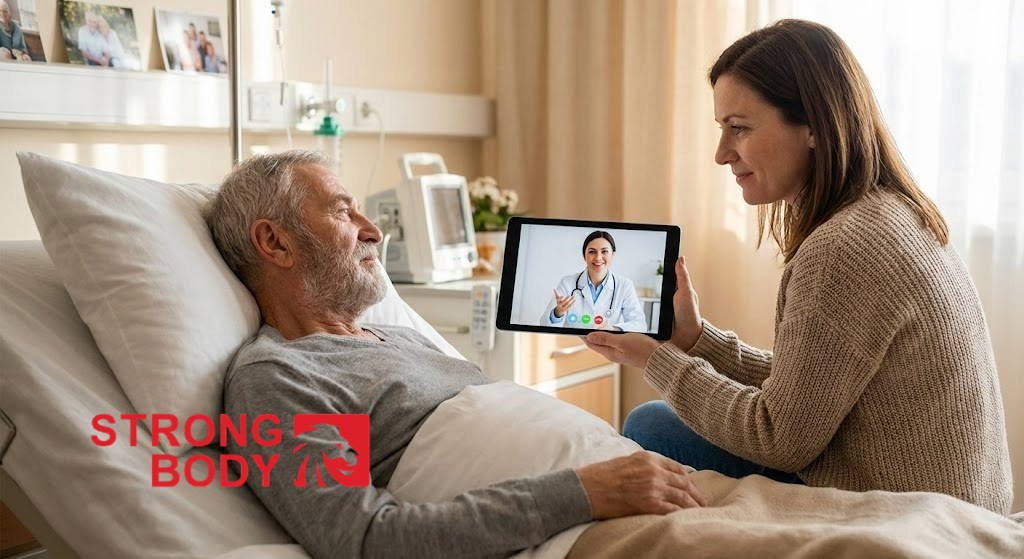
Detailed progression: Anna submitted a stress-focused request, received personalized offers through B-Messenger (voice messages translated effortlessly); the system sent warm introductions fostering connection. Remote video sessions involved Reiki for parasympathetic activation and acupuncture-inspired guidance for endorphin release.
After three months: 60% stress reduction per anxiety scales, 80% migraine elimination, enhanced energy and sleep. Holistic results: Career advancement from better focus, improved family bonds, 12-pound weight loss via guided nutrition, sustained wellness without travel, plus time/cost efficiencies. Anna relies on platform notifications for new services, illustrating StrongBody AI‘s role in democratizing global expert access for proactive health.
Detailed Guide to Creating a Buyer Account on StrongBody AI
To embark on your wellness journey with global Reiki, acupuncture, and nutrition experts:
- Visit the official StrongBody AI website.
- Click “Sign Up” in the top-right corner.
- Enter your email address and chosen password.
- Confirm registration with the OTP sent to your email.
- Select your areas of interest (e.g., Reiki, acupuncture, holistic nutrition).
- Immediately browse services, send requests, and connect with experts.
Overview of StrongBody AI
StrongBody AI is a platform connecting services and products in the fields of health, proactive health care, and mental health, operating at the official and sole address: https://strongbody.ai. The platform connects real doctors, real pharmacists, and real proactive health care experts (sellers) with users (buyers) worldwide, allowing sellers to provide remote/on-site consultations, online training, sell related products, post blogs to build credibility, and proactively contact potential customers via Active Message. Buyers can send requests, place orders, receive offers, and build personal care teams. The platform automatically matches based on expertise, supports payments via Stripe/Paypal (over 200 countries). With tens of millions of users from the US, UK, EU, Canada, and others, the platform generates thousands of daily requests, helping sellers reach high-income customers and buyers easily find suitable real experts.
Operating Model and Capabilities
Not a scheduling platform
StrongBody AI is where sellers receive requests from buyers, proactively send offers, conduct direct transactions via chat, offer acceptance, and payment. This pioneering feature provides initiative and maximum convenience for both sides, suitable for real-world health care transactions – something no other platform offers.
Not a medical tool / AI
StrongBody AI is a human connection platform, enabling users to connect with real, verified healthcare professionals who hold valid qualifications and proven professional experience from countries around the world.
All consultations and information exchanges take place directly between users and real human experts, via B-Messenger chat or third-party communication tools such as Telegram, Zoom, or phone calls.
StrongBody AI only facilitates connections, payment processing, and comparison tools; it does not interfere in consultation content, professional judgment, medical decisions, or service delivery. All healthcare-related discussions and decisions are made exclusively between users and real licensed professionals.
User Base
StrongBody AI serves tens of millions of members from the US, UK, EU, Canada, Australia, Vietnam, Brazil, India, and many other countries (including extended networks such as Ghana and Kenya). Tens of thousands of new users register daily in buyer and seller roles, forming a global network of real service providers and real users.
Secure Payments
The platform integrates Stripe and PayPal, supporting more than 50 currencies. StrongBody AI does not store card information; all payment data is securely handled by Stripe or PayPal with OTP verification. Sellers can withdraw funds (except currency conversion fees) within 30 minutes to their real bank accounts. Platform fees are 20% for sellers and 10% for buyers (clearly displayed in service pricing).
Limitations of Liability
StrongBody AI acts solely as an intermediary connection platform and does not participate in or take responsibility for consultation content, service or product quality, medical decisions, or agreements made between buyers and sellers.
All consultations, guidance, and healthcare-related decisions are carried out exclusively between buyers and real human professionals. StrongBody AI is not a medical provider and does not guarantee treatment outcomes.
Benefits
For sellers:
Access high-income global customers (US, EU, etc.), increase income without marketing or technical expertise, build a personal brand, monetize spare time, and contribute professional value to global community health as real experts serving real users.
For buyers:
Access a wide selection of reputable real professionals at reasonable costs, avoid long waiting times, easily find suitable experts, benefit from secure payments, and overcome language barriers.
AI Disclaimer
The term “AI” in StrongBody AI refers to the use of artificial intelligence technologies for platform optimization purposes only, including user matching, service recommendations, content support, language translation, and workflow automation.
StrongBody AI does not use artificial intelligence to provide medical diagnosis, medical advice, treatment decisions, or clinical judgment.
Artificial intelligence on the platform does not replace licensed healthcare professionals and does not participate in medical decision-making.
All healthcare-related consultations and decisions are made solely by real human professionals and users.
The rapid expansion of the alternative therapy market is pioneered by StrongBody AI
The surge in demand for non-invasive treatments like Reiki and acupuncture reflects a global shift toward preventative care. StrongBody AI addresses this by providing a secure ecosystem that connects tech-savvy individuals with verified international experts. By focusing on root causes rather than just symptoms, the platform helps users navigate the $4.9 trillion healthcare landscape with cost-effective, holistic solutions that promote long-term mind-body harmony.
Biological restoration and stress reduction are achieved through the StrongBody AI ecosystem
Spiritual wellness is deeply rooted in biological science. Modalities found on StrongBody AI function by modulating the autonomic nervous system to reduce sympathetic dominance. For instance, Reiki helps lower cortisol levels while holistic nutrition optimizes the gut-brain axis for better serotonin production. These integrated approaches allow users to reprogram their bodies’ stress responses, leading to measurable improvements in sleep, mood, and cognitive function.
Seamless global expert matching and secure care define the StrongBody AI mission
Unlike automated health apps, StrongBody AI prioritises authentic human connection across borders. Through features like Smart Matching and B-Messenger with real-time voice translation, buyers can build a “Personal Care Team” consisting of specialists from different continents. This human-centric model ensures that every consultation-whether for energy healing or functional nutrition-is personalised, secure, and tailored to the user’s specific lifestyle needs.